Why Buyers Are Moving from Price-Only Purchasing to Total Cost Evaluation
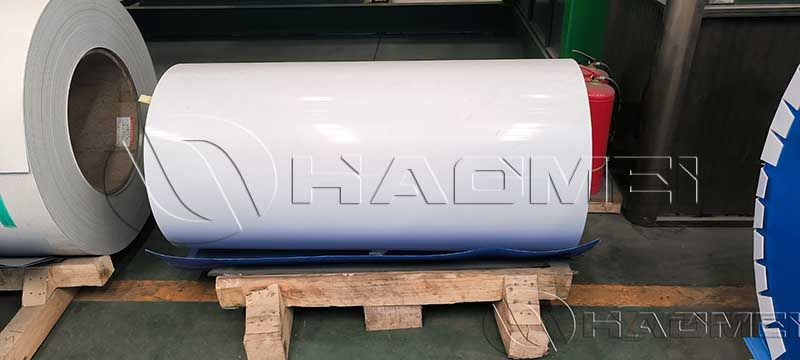
Discover why buyers are shifting from price-only purchasing to total cost evaluation, considering quality, durability, delivery reliability, service, and long-term value.
For decades, purchasing decisions in construction materials and industrial supply chains were often driven by one simple question: “Who has the lowest price?” While unit price remains important, buyers are increasingly realizing that the cheapest product is not always the most economical choice.
Today, professional buyers evaluate suppliers based on total cost rather than purchase price alone. This shift is especially visible in metal building materials, where product quality, coating performance, delivery reliability, service responsiveness, and long-term durability can have a significant impact on profitability.

The Hidden Costs Behind a Low Purchase Price
A low quotation may look attractive at first, but it can create additional expenses throughout the purchasing process. For example, a low-cost coil may have inconsistent thickness, uneven paint coverage, poor adhesion, or inaccurate dimensions. These issues can result in higher scrap rates, processing delays, customer complaints, and costly rework.
In many cases, the initial savings disappear quickly once production problems begin. A contractor or distributor may save a few dollars per roll, but if the material causes installation difficulties or early failures, the total financial loss can be far greater than the original price difference.
Buyers are now looking beyond the invoice and asking broader questions:
How long will the material last in real-world conditions?
Will the dimensions remain consistent from batch to batch?
Is the coating resistant to fading, cracking, and corrosion?
Can the supplier deliver on time during peak demand?
What happens if there is a quality issue after delivery?
These questions reflect a total cost mindset rather than a price-only mindset.
Quality Consistency Reduces Waste
Material consistency is one of the most important factors in total cost evaluation. In products such as aluminum coil, even small variations in thickness, temper, width, or coating quality can affect downstream processing.
For manufacturers, inconsistent material can lead to machine adjustments, slower production speeds, rejected parts, and increased labor costs. For distributors, it can create inventory challenges and damage relationships with end customers. For installers, poor material quality can make forming and fitting more difficult, increasing jobsite time and the risk of callbacks.
A reliable color coated aluminum coil supplier provides stable specifications, documented quality control, and repeatable performance. Although this may come with a slightly higher purchase price, it often lowers waste and improves operational efficiency. Over time, dependable quality can deliver better margins than the lowest-priced alternative.
Durability Has a Direct Financial Value
Long-term durability is another reason buyers are changing their purchasing habits. Exterior building products must withstand rain, UV exposure, temperature changes, humidity, wind, and airborne pollutants. If a product fades, peels, corrodes, or deforms prematurely, the consequences can include warranty claims, replacement costs, and reputational damage.
For instance, buyers of painted aluminum materials increasingly examine coating systems, substrate quality, and environmental suitability. A product designed for harsh weather conditions may cost more initially, but it can offer years of reliable performance. This reduces maintenance requirements and protects the buyer's reputation in the marketplace.
When sourcing from an aluminum gutter coil manufacturer, buyers often compare more than coil price. They evaluate alloy selection, paint durability, color consistency, packaging protection, and technical support. These factors influence whether the material performs well during fabrication and throughout its service life.
Reliable Delivery Protects Production Schedules
Supply chain reliability has become a major part of total cost evaluation. Late deliveries can stop production lines, delay installations, force emergency purchases, and create missed deadlines. In industries where project schedules are tight, the cost of a delayed shipment can be much higher than a small difference in material price.
Buyers therefore prefer suppliers with realistic lead times, stable raw material sourcing, responsive logistics teams, and clear communication. A supplier that provides accurate delivery updates allows buyers to plan inventory more effectively and reduce the need for excess safety stock.
Reliable packaging also matters. Damaged coils, scratched surfaces, or moisture exposure during transport can create hidden losses before the material even reaches the customer. Strong export packaging and careful loading practices help protect product value throughout the supply chain.
Service and Technical Support Matter More Than Ever
Modern buyers want suppliers who can solve problems, not simply ship products. Technical assistance, sample support, color matching, documentation, and fast responses all contribute to a smoother purchasing experience.
For example, a customer selecting white trim coil may need guidance on coating options, thickness requirements, forming performance, or compatibility with other building components. A knowledgeable supplier can help prevent incorrect purchasing decisions before they become expensive problems.
Strong after-sales service also reduces risk. If an issue occurs, buyers need a supplier that investigates quickly, provides evidence-based solutions, and takes responsibility when necessary. This level of support creates confidence and encourages long-term partnerships.
Total Cost Evaluation Builds Better Supplier Relationships
The move toward total cost evaluation is changing the relationship between buyers and suppliers. Rather than focusing only on short-term negotiations, both sides are working toward long-term value creation.
Buyers benefit from stable quality, lower operational risk, fewer claims, and more predictable supply. Suppliers benefit from stronger customer loyalty, better forecasting, and opportunities to provide higher-value solutions.
Price will always be a key consideration, but it is no longer the only one. The most successful purchasing decisions consider the complete cost of ownership—from material performance and production efficiency to delivery reliability and customer satisfaction.
In a competitive market, the smartest buyers are not simply choosing the lowest quote. They are choosing the option that delivers the best total value over time.

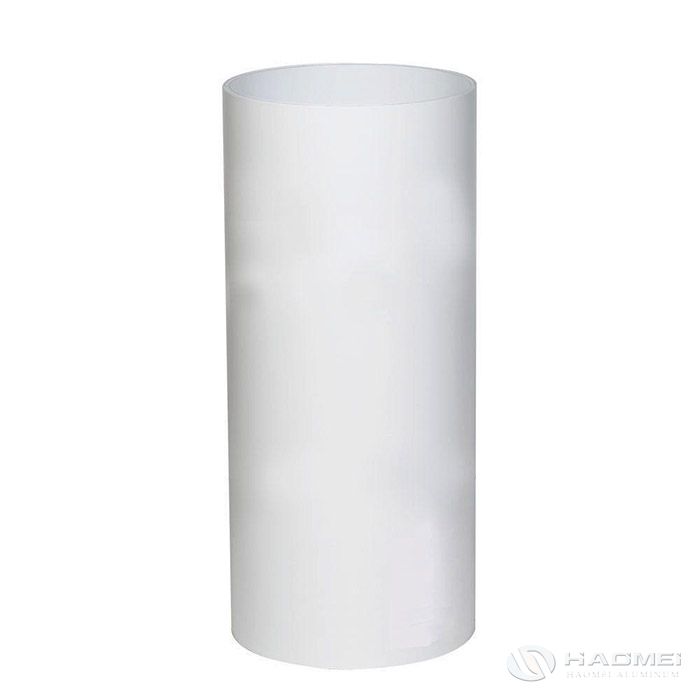
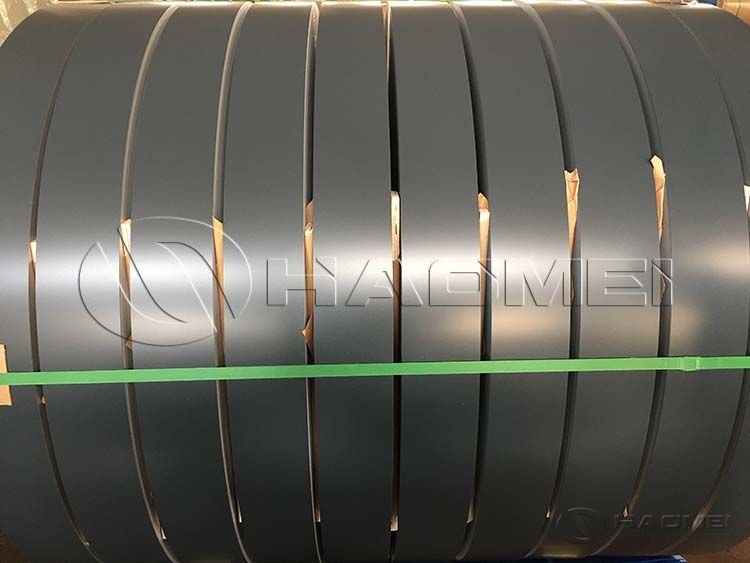
- What Are Quality Aluminum Trim Coil ColorsDec 04, 2025
In the international architectural decoration, home customization, and commercial visual merchandising sectors...
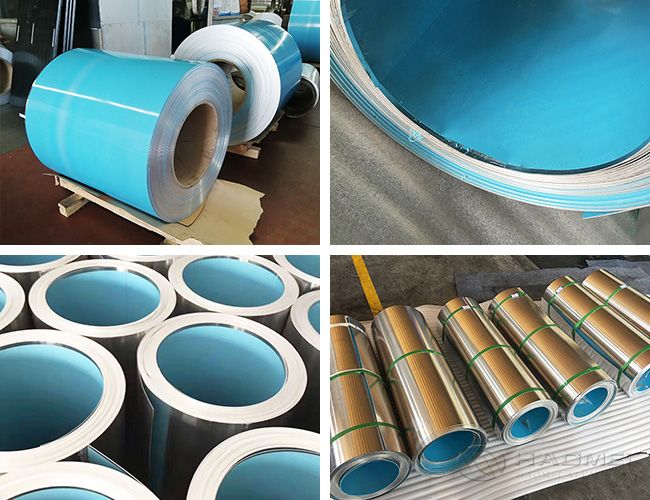
- Polysurlyn Laminated Aluminum Coil V Other Metal Insulation MaterialApr 22, 2020
Compared with iron or zinc insulation material, polysurlyn laminated aluminum coil has a longer service life,...

- How to Ensure The Quality of Color Coated AluminumDec 11, 2019
An experienced coated aluminum col manufacturer has strict regulations and measures to ensure the quality of...
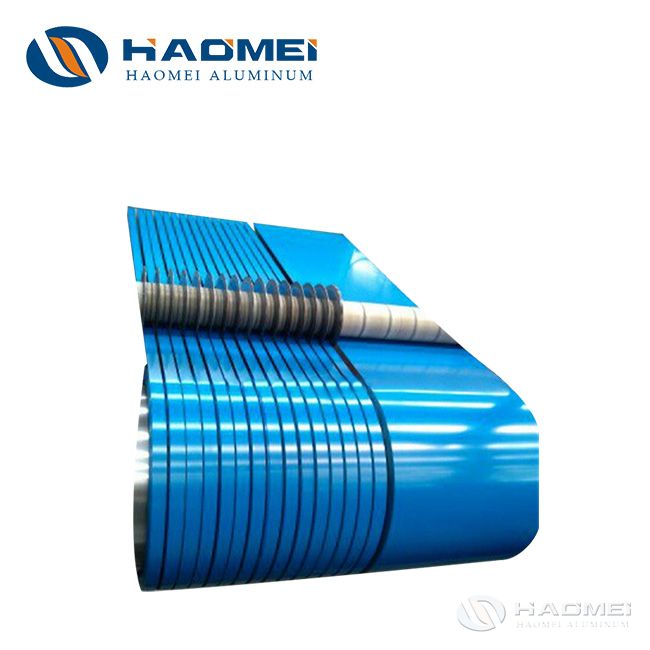
- The Color and Paint of Aluminum Siding Trim CoilOct 23, 2020
The aluminum siding trim coil has rich colors and different performances because of different paints. Come to...
- 30 Tons of Polysurlyn Laminated Aluminum Coil to Saudi ArabiaDec 30, 2019
Polysurlyn laminated aluminum coil is of unbeatable corrosion resistance. In the last month, our old customer...
Inquiry
TABLE OF Contents

Haomei Aluminum CO., LTD.
Tel/Whatsapp: +86-15978414719
Email: sale@alumhm.com
Website: https://www.alumhm.com
Xin'an Industrial Assemble Region,Luoyang,Henan Province,China
Office Add: 1103, No.14 Waihuan Road, CBD, Zhengzhou, China