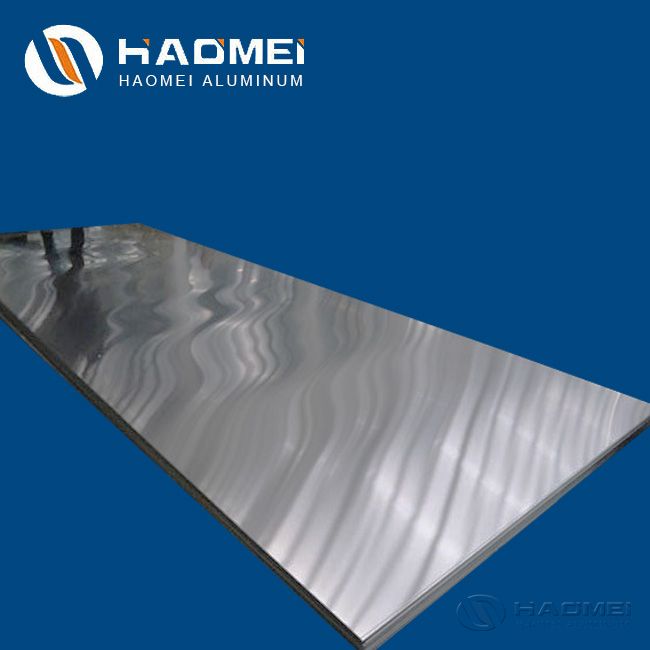
1050 Aluminium Sheet
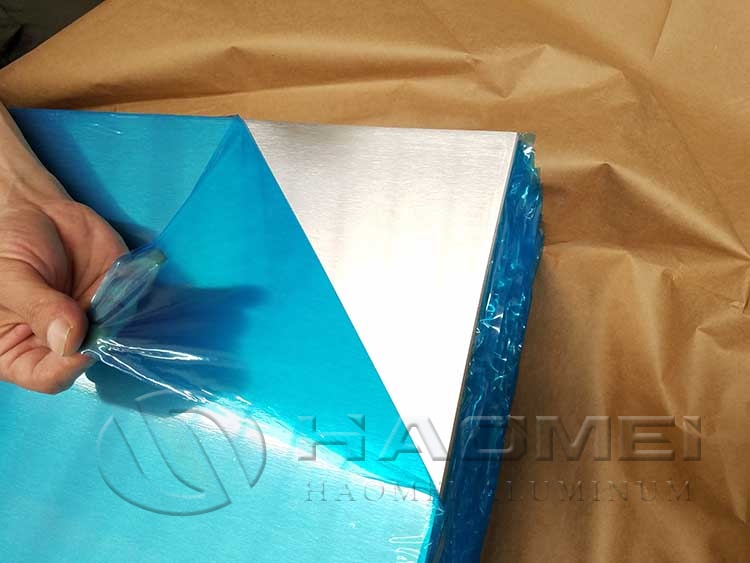
1050 Aluminium Sheet specs, standards, tests, surface quality controls and purchasing checks for flat rolled aluminum users.
1050 Aluminium Sheet is selected when formability, corrosion resistance, conductivity and clean surface finish matter more than high strength. The main concern for many industrial users is surface quality consistency, especially when the material will be anodized, printed, deep drawn, laminated or used as visible panels.
This article focuses on how to specify, inspect and compare 1050 material so purchasing teams can reduce claims, rework and production downtime.

What 1050 Aluminium Means in Standards
1050 is a commercially pure aluminum grade. In European designation, EN AW-1050A is widely used under EN 573-3 for chemical composition. The grade is also referenced in flat rolled product standards such as EN 485 and ASTM B209, depending on market and contract terms.
The defining feature is high aluminum purity. EN AW-1050A requires minimum 99.50% aluminum. This gives the material excellent workability, high reflectivity in suitable finishes, good corrosion resistance in normal atmospheric environments and high electrical conductivity.
| Item | Typical procurement reference | What to verify |
|---|---|---|
| Alloy | EN AW-1050A / AA 1050 | Same designation on quotation, label and mill certificate |
| Aluminum content | Minimum 99.50% for EN AW-1050A | Chemical analysis by heat number |
| Density | About 2.70 g/cm³ | Weight calculation and logistics planning |
| Electrical conductivity | Commonly around 61% IACS for annealed high-purity aluminum | Test result if used for electrical parts |
| Thermal conductivity | Around 220-230 W/m·K, temper dependent | Application calculation for heat transfer |
| Heat treatment | Non-heat-treatable | Strength comes mainly from cold work temper |
For product selection across a wider flat rolled range, Aluminum Sheet/Plate specifications should be reviewed together with thickness tolerance, surface condition and packing method, not alloy alone.
Temper, Properties and Where It Performs Best
1050 material is commonly supplied in O, H12, H14, H16, H18 and H24 tempers. O temper gives maximum ductility. H18 gives higher hardness and lower elongation. For stamping and spinning, O or H12 is usually safer. For panels requiring better dent resistance, H14 or H24 is often considered.
| Temper | Relative strength | Formability | Typical use |
|---|---|---|---|
| O | Lowest | Excellent | Deep drawing, spinning, chemical containers |
| H12 | Low-medium | Very good | Light forming, cookware, reflectors |
| H14 | Medium | Good | General fabrication, signs, panels |
| H16 | Higher | Moderate | Decorative parts with moderate rigidity |
| H18 | Highest for strain hardened 1050 | Limited | Flat components, nameplates, electrical parts |
| H24 | Medium, partially annealed | Better than H18 | Formed panels needing stable shape |
Do not use 1050 as a structural substitute for 5052, 6061 or 5083. It is not designed for high mechanical load, marine structural frames or precision machined parts requiring high yield strength. Its advantage is processing reliability in applications where purity and surface finish are more valuable than strength.
A practical material choice is 1050 Pure Aluminum Sheet when the finished product needs clean bending, reliable anodizing response and low impurity-related surface defects.
Surface Quality: The Main Risk to Control
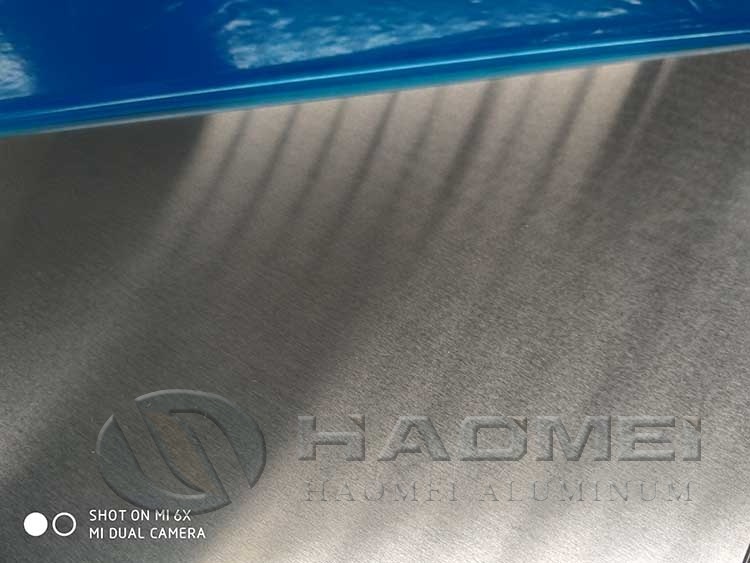
For visible or coated parts, surface defects often cost more than thickness deviation. Scratches, roll marks, oil stain, black line, oxidation spots, water marks and edge burrs can stop production even when chemical composition is correct.
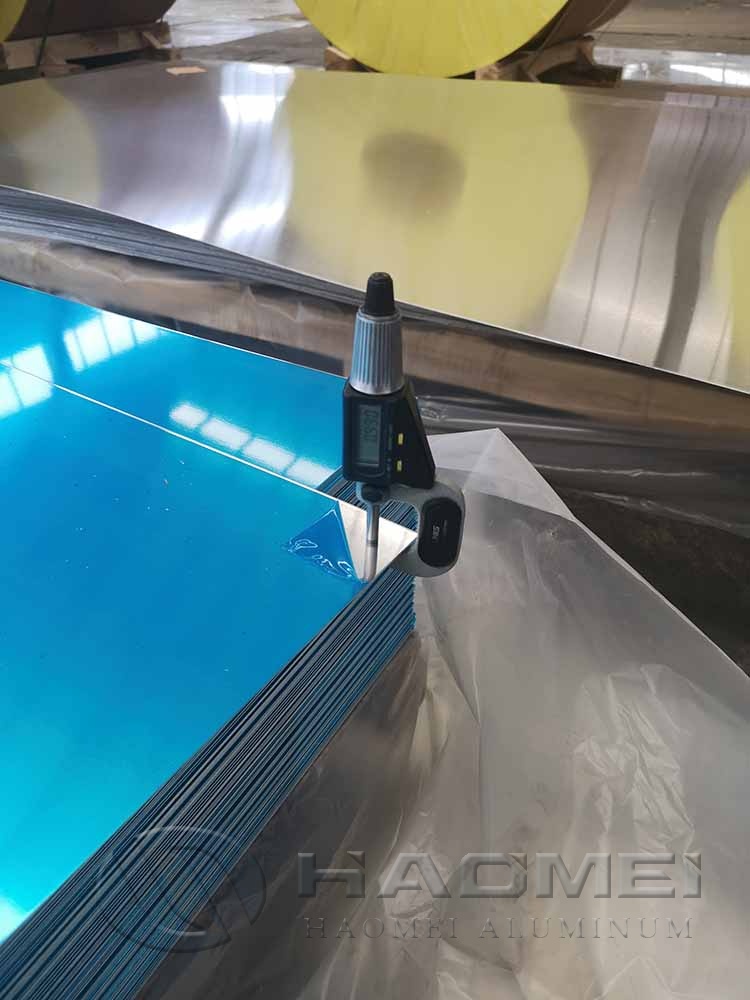
Use the following surface checklist before order release:
| Requirement | Recommended control method | Acceptance point |
|---|---|---|
| Surface finish | State mill finish, bright finish, anodizing quality or PVC film | No vague term such as normal surface |
| Scratch control | Visual inspection under agreed light and distance | Define acceptable scratch length and depth |
| Oil level | Wipe test or dyne test for coating use | Surface must suit printing, bonding or anodizing |
| Flatness | EN 485-4 or agreed internal tolerance | Needed for laser cutting, lamination and panels |
| Burr | Edge inspection after slitting or cutting | Critical for stamping dies and operator safety |
| Protective film | Specify film type, thickness and adhesion | Prevent residue after peeling |
For anodizing, ask whether the mill can supply anodizing-quality material. High purity helps, but anodized appearance is also affected by rolling texture, grain structure, surface cleaning and storage condition. If the final product is decorative, approve a sample panel after the same pretreatment and anodizing process used in production.
Testing Documents to Request Before Shipment
A professional purchase order should require traceable inspection documents. EN 10204 3.1 certificates are commonly requested in Europe for metallic products. For ASTM-based orders, a mill test report should identify alloy, temper, thickness, width, mechanical results and chemical composition.
| Test item | Common standard reference | Why it matters |
|---|---|---|
| Chemical composition | EN 573-3, ASTM B209 with relevant composition limits | Confirms 1050 purity |
| Tensile test | EN ISO 6892-1 or ASTM E8/E8M | Confirms temper and mechanical performance |
| Thickness tolerance | EN 485-4 or ASTM B209 | Controls yield, fit and weight |
| Width and length | EN 485-4 or contract tolerance | Reduces cutting loss |
| Surface inspection | EN 485-1 principles or agreed visual criteria | Prevents coating and appearance defects |
| Electrical conductivity | ASTM E1004 where specified | Needed for electrical components |
| Packaging inspection | Contract requirement | Prevents transit scratches and moisture stain |
For high-volume repeat orders, add first article approval. Keep one approved master sample for surface comparison. This is especially useful because visual standards can be interpreted differently by mills, traders and end users.
1050 vs 1060, 1100, 3003 and 5052
Choosing the lowest price grade can create hidden cost. Compare alloy behavior against the manufacturing process.
| Grade | Main advantage | Limitation | Better choice when |
|---|---|---|---|
| 1050 | High purity, excellent formability, good conductivity | Low strength | Surface finish, conductivity and deep forming are priorities |
| 1060 | Higher aluminum purity, often minimum 99.60% Al | Still low strength | Slightly higher purity is required |
| 1100 | Commercially pure with good workability | Lower purity than 1050/1060 in many specifications | North American availability is important |
| 3003 | Better strength than 1050 | Lower conductivity, different anodizing response | Moderate strength and forming are both required |
| 5052 | Much higher strength and marine corrosion resistance | Harder to deep draw than 1050 | Strength and saltwater resistance matter |
If the product will be deep drawn, stamped with tight radii or spun, 1050-O can reduce cracking risk. If the product must carry load, resist dents or hold threaded fasteners, select a stronger alloy instead.
Specification Template for RFQ and Contract
Use this order format to prevent misunderstanding:
Alloy and standard: EN AW-1050A to EN 573-3, or AA 1050 to agreed ASTM reference.
Temper: O, H12, H14, H16, H18 or H24.
Size: thickness, width, length, tolerance standard and quantity unit.
Surface: mill finish, bright finish, anodizing quality or protected film.
Application: stamping, anodizing, printing, lamination, electrical part or general fabrication.
Test documents: EN 10204 3.1 or mill test report.
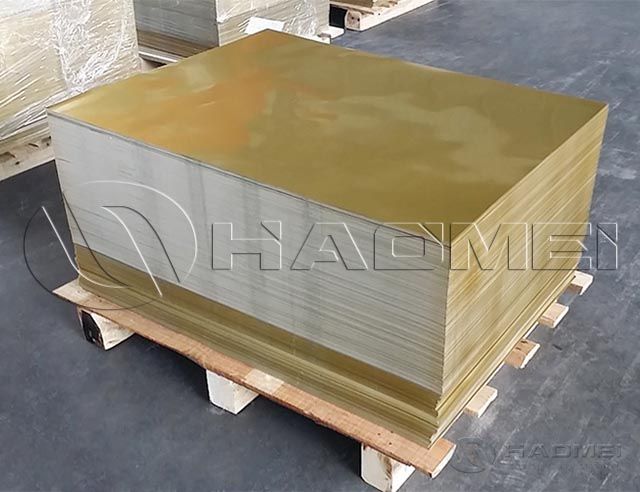
Packing: wooden pallet, moisture barrier, desiccant, corner protection and coil eye direction if applicable.
Inspection level: AQL, sampling plan, surface master sample and claim procedure.
Pricing should be separated into aluminum base price, processing charge, surface treatment, cutting or slitting charge, packaging and freight. The aluminum base is commonly referenced to market aluminum prices such as LME aluminum, while conversion premiums depend on thickness, tolerance, surface demand, order size and delivery schedule.
Practical Selection Rules
Select 1050 when the process needs soft forming, corrosion resistance, reflectivity or conductivity. Avoid it when structural strength, high hardness or superior fatigue resistance is required.
For visible applications, do not approve only by certificate. Inspect surface, flatness, oil condition and packing. For electrical applications, add conductivity testing. For formed parts, test the actual die radius and lubrication before full release.
A well-written specification for 1050 Aluminium Sheet should define alloy, temper, tolerance, surface acceptance, test documents and packing. These five controls solve most quality disputes before material reaches the production line.
- 3105 Aluminum Sheet for Cap ClosureMay 11, 2021
3105aluminum sheet is a main aluminum cap material for wine and carbonated drinks. What are its properties and...
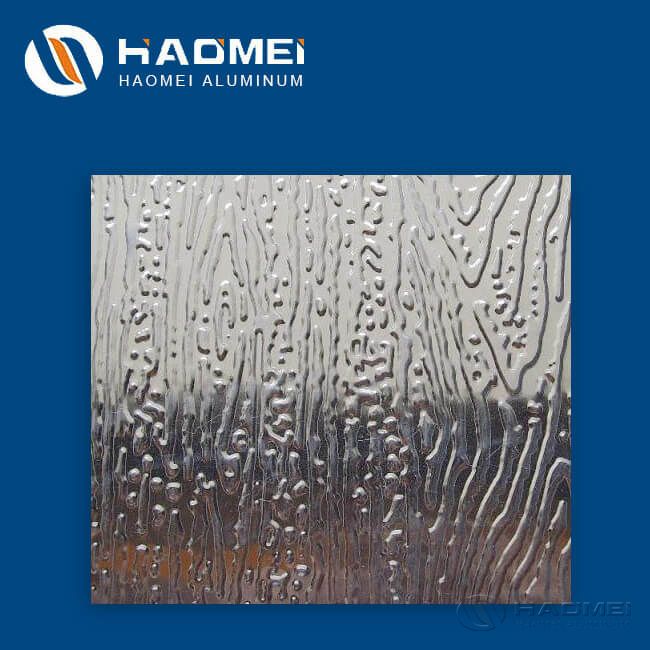
- Application of Aluminium Checker Plate Sheet in ConstructionSep 28, 2020
The aluminiuim checker plate sheet has been used as the wall structure of the buildings, curtain wall and blin...
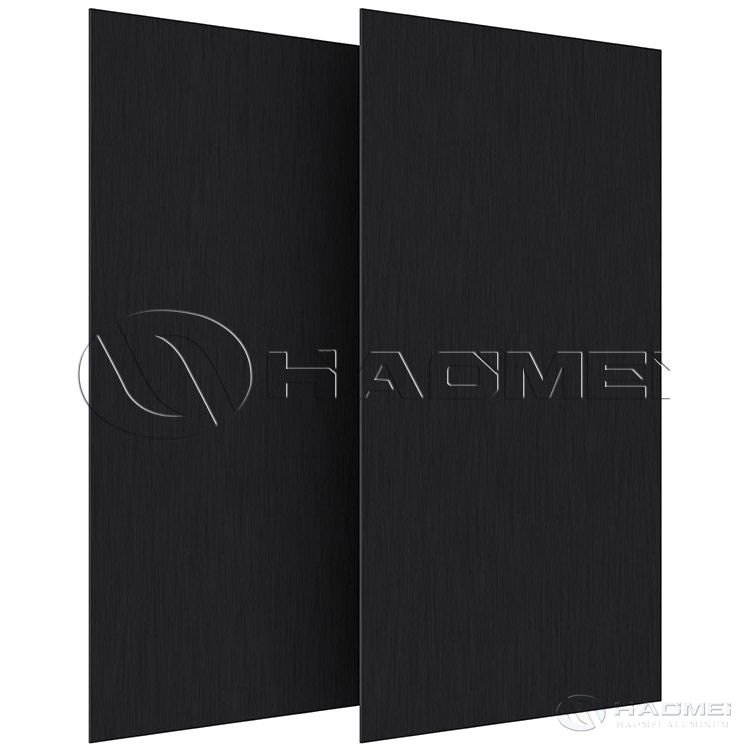
- What Is A Black Anodized Aluminum SheetMay 16, 2024
A black anodized aluminum sheet is actually filling the anodized surface with black pigment. There are usually...
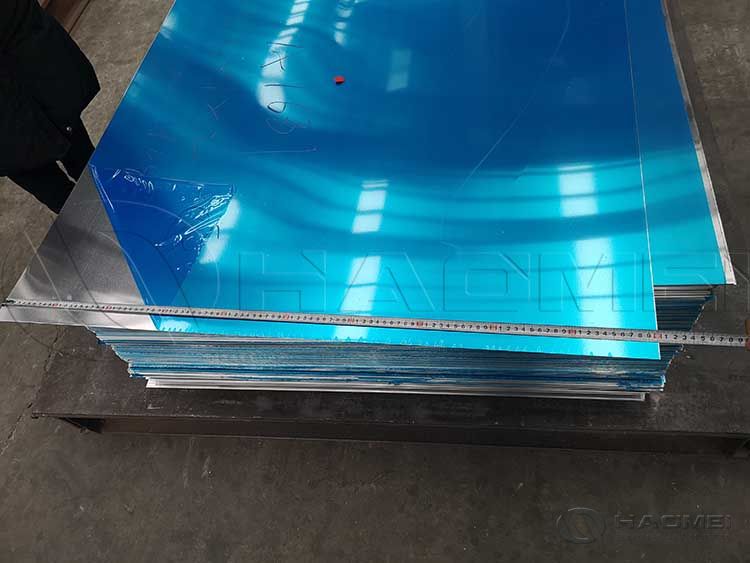
- 3003 Aluminum Sheet PropertiesSep 04, 2023
The tensile strength of 3003 aluminum sheet is 160-170 mpa in H24 state. It has good corrosion resistance and...
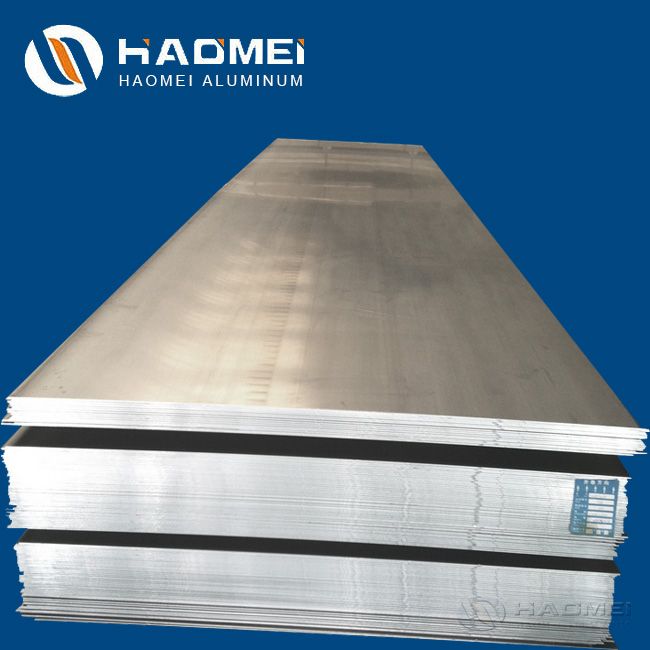
- 7075 Aluminum Plate for Mobile Phone ShellAug 03, 2020
Many mobile phone manufacturers such as Apple and OPPO use 7075 aluminum plate as the smart phone shell. Haome...
Inquiry
TABLE OF Contents

Haomei Aluminum CO., LTD.
Tel/Whatsapp: +86-15978414719
Email: sale@alumhm.com
Website: https://www.alumhm.com
Xin'an Industrial Assemble Region,Luoyang,Henan Province,China
Office Add: 1103, No.14 Waihuan Road, CBD, Zhengzhou, China