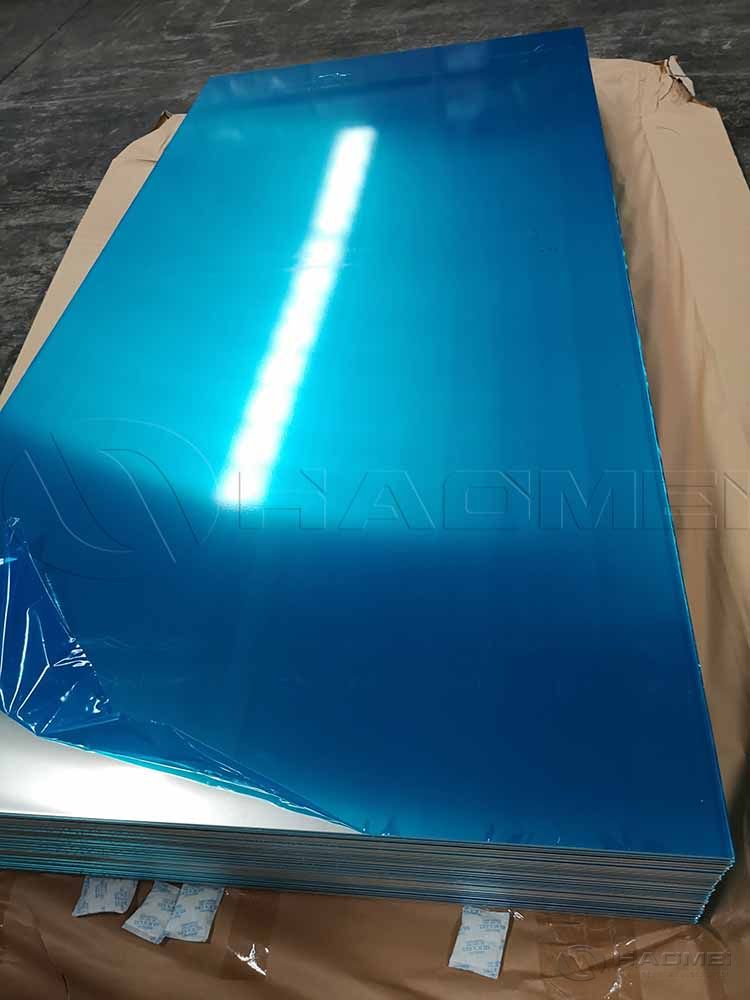
Mirror Finish Aluminum Sheet
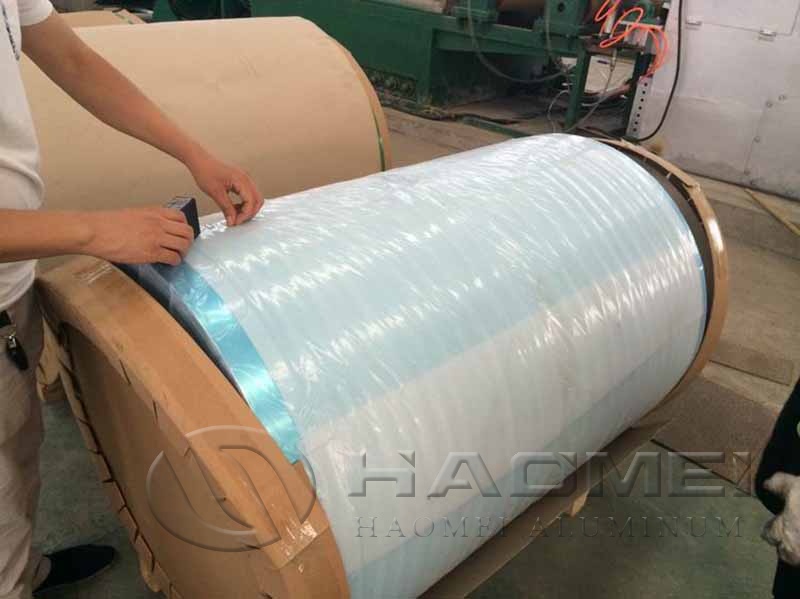
Mirror finish aluminum sheet for holiday displays: specify protective film, inspect surface quality, and schedule Christmas production to ASTM B209 requirements.
Christmas retail installations, year-end promotional fixtures, and New Year event displays demand clean, high-impact reflective surfaces. For fabricators and sourcing teams, the main risk is not selecting aluminum: it is receiving reflective material with scratches, film-transfer marks, or inconsistent visual appearance after cutting and forming.
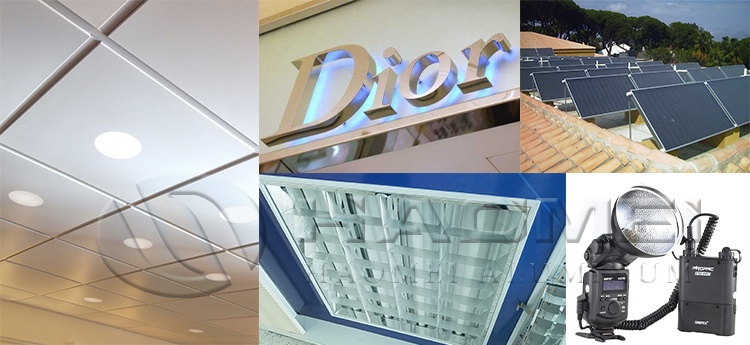
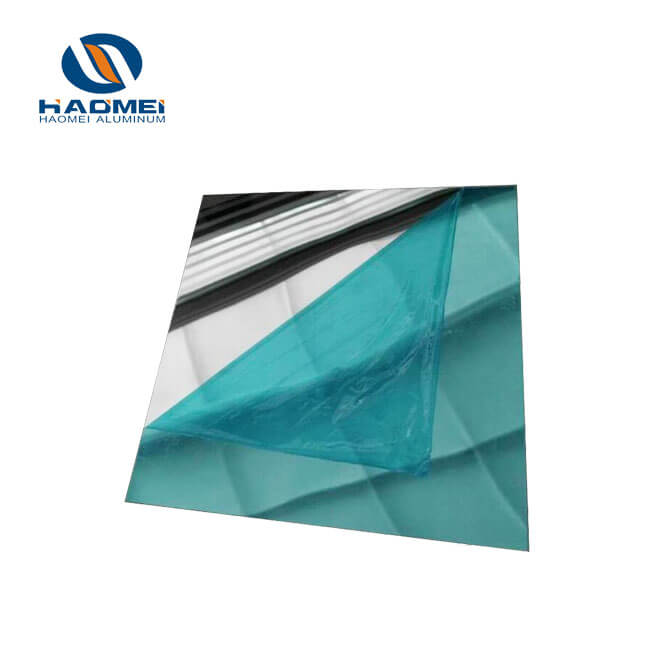
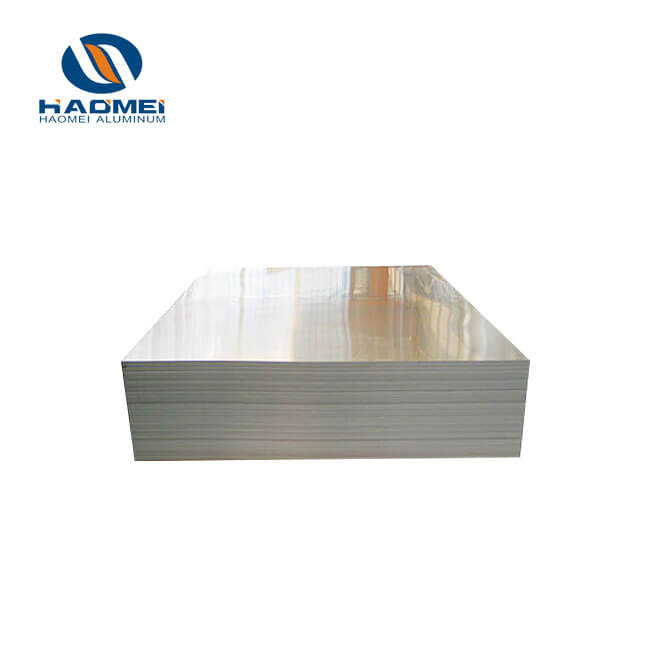
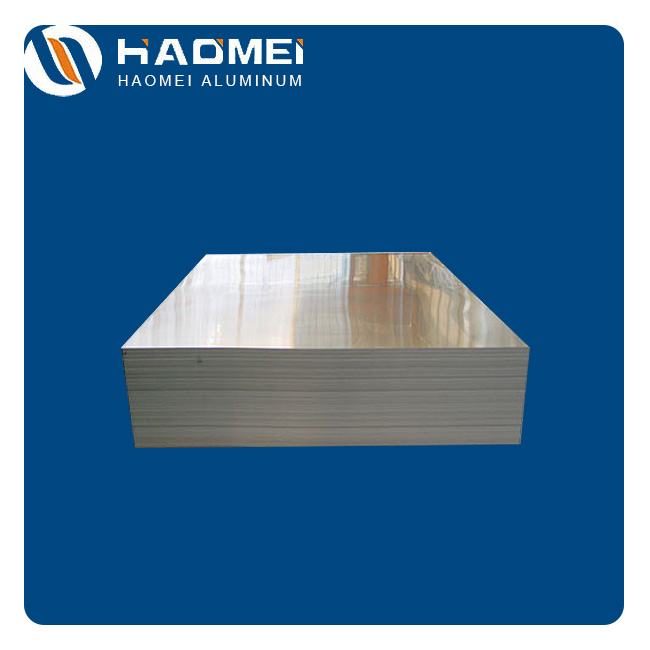
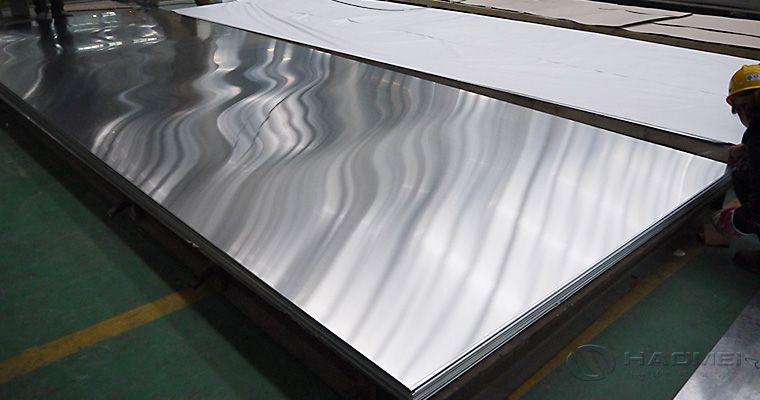
A Mirror Finish Aluminum Sheet is a practical holiday solution when the specification focuses on surface protection from the mill through final installation. The reflective face can support display panels, decorative trims, lighting reflectors, appliance accents, signage, and premium packaging components without the weight and breakage risk of glass mirrors.

Specify Surface Protection Before Ordering
A mirror-polished aluminum surface is visually unforgiving. A shallow scratch that is hard to see under warehouse lighting can become obvious under LED spotlights in a holiday window display. Define protective-film requirements in the purchase specification rather than treating film as an optional packing detail.
Use this order checklist:
State the intended process: flat-panel fabrication, laser cutting, bending, stamping, or adhesive lamination.
Identify which face requires film protection and whether the reverse side also needs scratch protection.
Request film type, thickness, adhesion range, and removal conditions from the supplier.
Specify that film must remove cleanly after the expected storage period, without adhesive residue or surface staining.
Confirm whether the material will be stored in heated retail locations, humid warehouses, or unconditioned containers.
Require protective interleaving and edge protection for stacked sheets or slit coils.
Approve a retained sample before production begins.
Protective film must match the fabrication process. Low-adhesion film may lift during bending or handling. High-adhesion film can be difficult to remove after warm storage. Film selection is therefore a production-control issue, not only a shipping issue.
For projects requiring a more durable decorative layer, an Anodized Aluminium Mirror Sheet can be evaluated against the intended environment. Anodizing changes the surface system, so teams should still request samples and confirm appearance after forming, cleaning, and film removal.
| Surface-risk point | What to specify | Acceptance check |
|---|---|---|
| Coil slitting or sheet cutting | Burr limits and protected handling | Inspect edges and reflective face under angled light |
| Press braking | Film adhesion suitable for the bend radius | Bend a sample with film in place |
| Laser cutting | Heat exposure and post-cut cleaning method | Check for haze, residue, or local discoloration |
| Storage before installation | Maximum storage duration and temperature range | Peel-test a retained sample before dispatch |
| Retail installation | Approved cleaning method | Wipe-test only with the specified cleaner and cloth |
Match Alloy, Standard, and Inspection Method to the Display Job
Do not assume that every polished aluminum product has the same reflectivity, flatness, formability, or surface consistency. The mirror effect comes from processing quality and surface condition; alloy and temper determine how the material behaves in fabrication.
For general sheet and plate requirements in the United States, ASTM B209 covers aluminum and aluminum-alloy sheet and plate. European projects may reference EN 485 standards for tolerances and mechanical properties. These standards do not replace a visual surface agreement, so add defined inspection conditions to the order.
| Requirement | Practical specification for holiday display work | Why it matters |
|---|---|---|
| Alloy selection | Compare 1050 for decorative forming with 3003 where added strength is needed | Forming behavior and stiffness can differ |
| Temper | State the required temper rather than only alloy | Temper affects bending and panel flatness |
| Thickness tolerance | Set project-specific tolerance and measurement points | Prevents fit-up issues in frames and channels |
| Surface inspection | Agree on viewing distance, angle, and lighting | Avoids subjective acceptance disputes |
| Gloss or appearance data | Request the supplier's test method and sample standard | Gloss values alone do not prove mirror-image quality |
ISO 2813 provides methods for measuring specular gloss using 20°, 60°, and 85° geometries. It is useful when a project needs a repeatable gloss test, but it should not be used as the sole definition of mirror appearance. Include a signed visual reference sample, because reflected-image clarity, waviness, and minor defects may not be captured by one gloss number.
For common decorative work, teams can compare 1050 Pure Aluminum Sheet with other available alloys after reviewing forming trials. AA 1050 is designated as commercially pure aluminum with a minimum aluminum content of 99.5%, making it a familiar option where decorative finish and workable forming characteristics are priorities.
Build a Holiday Schedule Around Approval, Not Just Delivery
Christmas Day is December 25, and retail display installation usually occurs before peak seasonal traffic. Work backward from the installed-date requirement, allowing time for incoming inspection, cutting, fabrication, assembly, and replacement material if an approved surface standard is not met.
Use this staged schedule:
Set the installed date. Include the retailer's access window, fixture assembly date, and photography or merchandising deadline.
Approve the sample early. Inspect it under the same LED lighting planned for the display area. Check reflected-image distortion, color consistency, and film removal.
Freeze the surface specification. Record alloy, temper, dimensions, protective-film details, packing method, and visual acceptance criteria in the purchase order.
Request pre-shipment evidence. Ask for photos of packing, identification labels, and a statement of the applicable material standard. If mill test documentation is needed, state this before production.
Inspect on arrival. Check the outer packaging before unloading, retain damaged-package photos, and inspect a defined sample quantity before releasing material to fabrication.
Keep film on during processing. Remove it only at the latest practical stage, using clean gloves and non-abrasive tools.
For EU-bound decorative products, assess whether coatings, films, inks, or adhesives require chemical declarations. Under REACH Article 33, suppliers of articles containing a Substance of Very High Concern above 0.1% weight by weight have communication obligations. Request relevant declarations when the finished display will be placed on the EU market.
Before issuing the order, attach the approved visual sample, protective-film requirement, inspection lighting condition, packing standard, and installation deadline. This prevents the most expensive seasonal failure: a reflective display panel that looks acceptable in a warehouse but fails under holiday retail lighting.

- What Is Aluminum Sheet GaugeMar 13, 2025
Gauge is a thickness unit originated in North America. The larger the value, the smaller the thickness. What a...
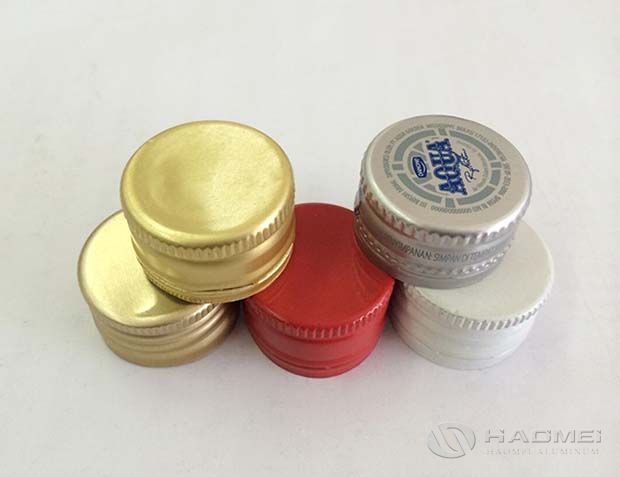
- 3105 Aluminum Sheet for Cap ClosureMay 11, 2021
3105aluminum sheet is a main aluminum cap material for wine and carbonated drinks. What are its properties and...
- 5083 Aluminum Sheet for Gas CylinderJul 07, 2020
The gas cylinder made of 5083 aluminum sheet has the advantages of corrosion resistance, light weight,long ser...
- 7075 2024 Aluminum Sheet PlateJan 03, 2023
The most widely used aircraft sheets are 2000 and 7000 series aluminum alloys like 7075 and 2024 aluminum shee...
- Aluminum Closure Sheet for Antibiotic Bottle CapsNov 24, 2020
Different kinds and sizes of antibiotic bottle cap require different specifications of aluminum closure sheets...
Inquiry
TABLE OF Contents

Haomei Aluminum CO., LTD.
Tel/Whatsapp: +86-15978414719
Email: sale@alumhm.com
Website: https://www.alumhm.com
Xin'an Industrial Assemble Region,Luoyang,Henan Province,China
Office Add: 1103, No.14 Waihuan Road, CBD, Zhengzhou, China