Double Layer Thermal CTP Plate
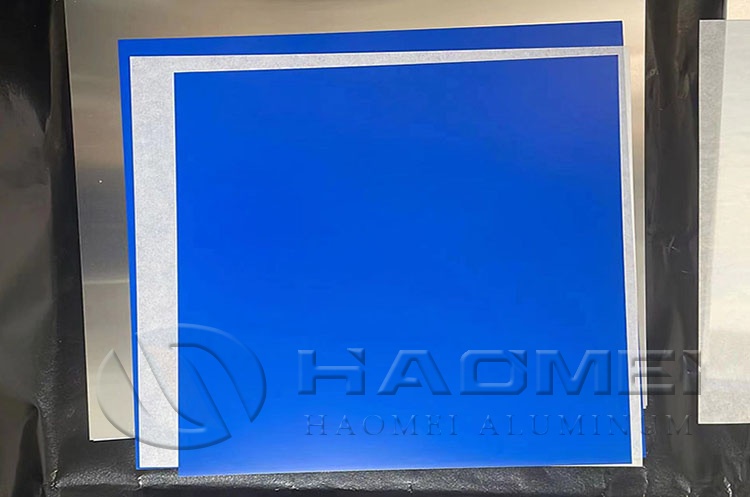
Double layer thermal CTP plate specs, aluminum base checks, coating control, costs, standards, and sourcing steps for stable offset printing.
Why double-layer construction matters
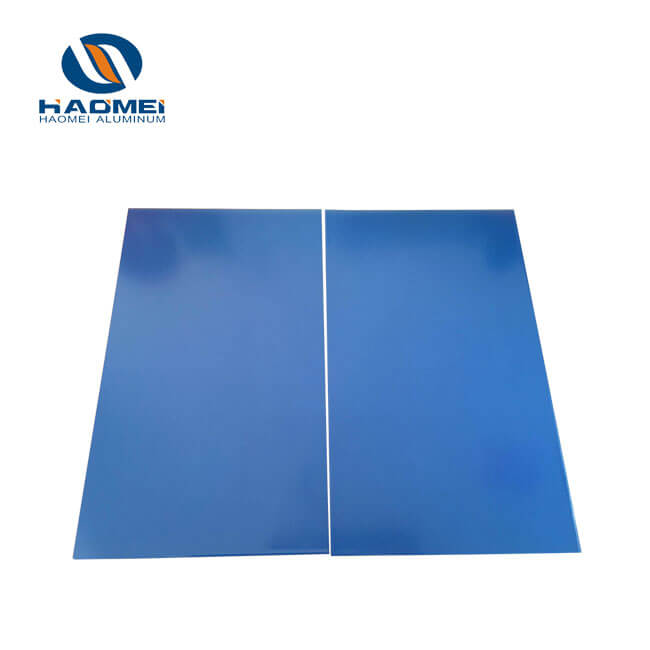
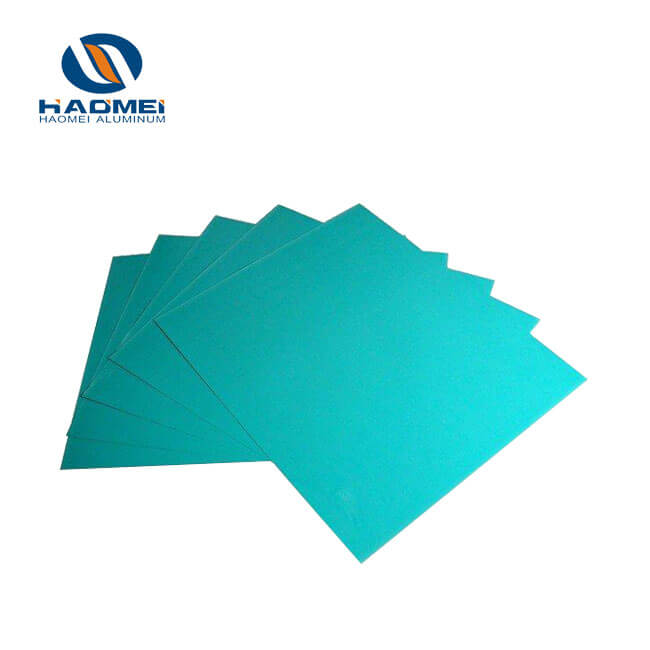
A double layer thermal CTP plate is used in offset printing where stable imaging, clean development, and predictable press life are required. Its value is not only the photosensitive coating. The aluminum base, electrochemical graining, anodizing, coating weight, storage control, and packing all affect press results.
For large-volume print plants, the top concern is usually batch-to-batch stability. A plate that images well in one lot but needs different exposure, processor chemistry, or ink-water balance in the next lot creates waste. The practical feature to evaluate is on-press stability, measured by dot reproduction, background cleanliness, and run length consistency.

A two-coat thermal plate normally uses a top imaging layer and a supporting layer. This structure helps widen the exposure latitude and improves resistance to developer attack. It is commonly selected for commercial offset, packaging, books, labels, and long-run work where plate changes are costly.
When comparing CTP Plates, do not approve only by brand name or quoted run length. Verify the substrate, coating uniformity, processor compatibility, and packaging condition before committing annual volume.
Aluminum base and coating controls
Thermal CTP plates are made on high-purity rolled aluminum, often from 1050, 1060, or similar aluminum grades, depending on supplier design. Exact alloy and temper should be declared in the technical data sheet. Chemical composition can be checked against EN 573-3 or ASTM B209 where applicable to the rolled aluminum substrate.
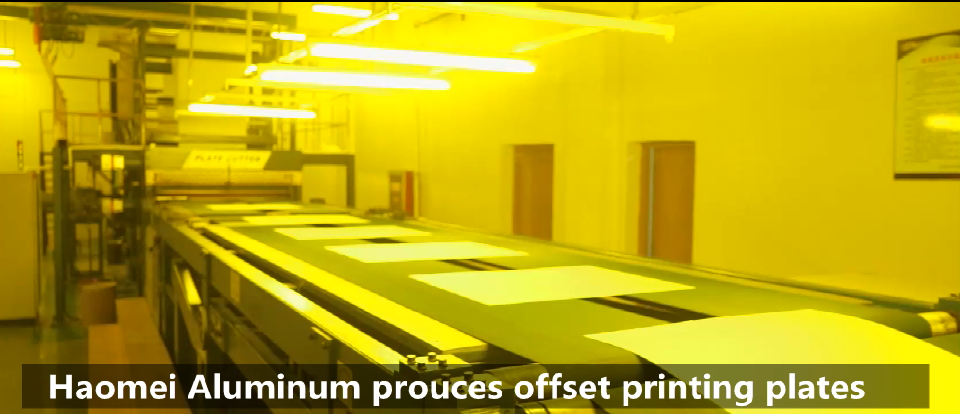
The base is cleaned, grained, anodized, sealed, coated, dried, inspected, slit, and packed. Each step influences print stability.
| Process stage | What to check | Practical risk if ignored |
|---|---|---|
| Degreasing | Oil and rolling residue removal | Coating pinholes, weak adhesion |
| Electrochemical graining | Uniform roughness profile | Poor water retention, scumming |
| Anodizing | Oxide layer consistency | Shorter run life, sensitivity drift |
| Double coating | Coating weight and surface defects | Dot gain variation, development marks |
| Slitting and packing | Burr, flatness, moisture barrier | Plate scratches, misfeed, oxidation |
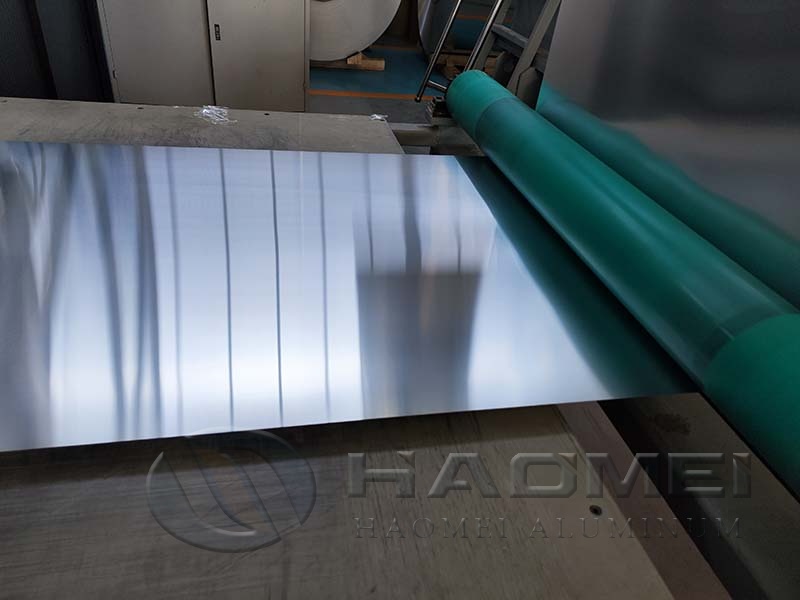
Typical commercial plate thicknesses include 0.15 mm, 0.20 mm, 0.24 mm, 0.27 mm, 0.30 mm, and 0.40 mm. The right thickness depends on press format and cylinder requirements. A thickness mismatch can cause registration variation and packing compensation problems.
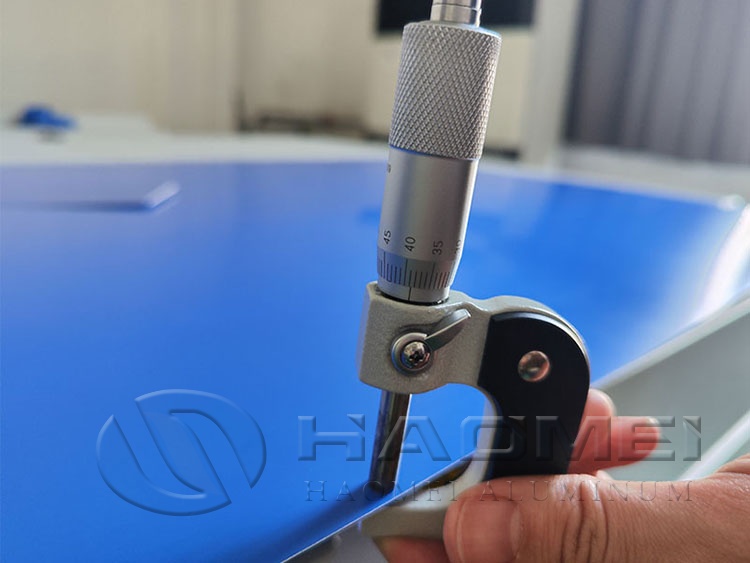
| Thickness range | Common use | Procurement check |
|---|---|---|
| 0.15-0.20 mm | Small-format and light commercial presses | Flatness and handling strength |
| 0.24-0.30 mm | Mainstream commercial offset | Gauge tolerance and run length |
| 0.40 mm | Larger presses and demanding jobs | Bend resistance and cylinder fit |
The double-layer coating should be evaluated by real production testing, not only lab exposure. Ask for a trial using your platesetter, developer, processor speed, oven setting if baking is used, fountain solution, ink system, and substrate mix.
Specification checklist
Use this checklist before placing repeat orders with a Thermal CTP Plates Manufacturer.
| Item | Required evidence | Acceptance method |
|---|---|---|
| Plate type | Positive thermal, negative thermal, or processless design | Match to platesetter and workflow |
| Laser sensitivity | Supplier data in mJ/cm² or system-specific exposure setting | Confirm by plate control wedge |
| Resolution | Screen ruling and FM screening support | Test with 1%-99% tonal patches |
| Run length | Unbaked and baked values, if applicable | Validate on normal press jobs |
| Developer compatibility | Recommended pH, temperature, dwell time | Record clean-out and background |
| Aluminum base | Alloy, temper, thickness, coating side | Inspect certificate and samples |
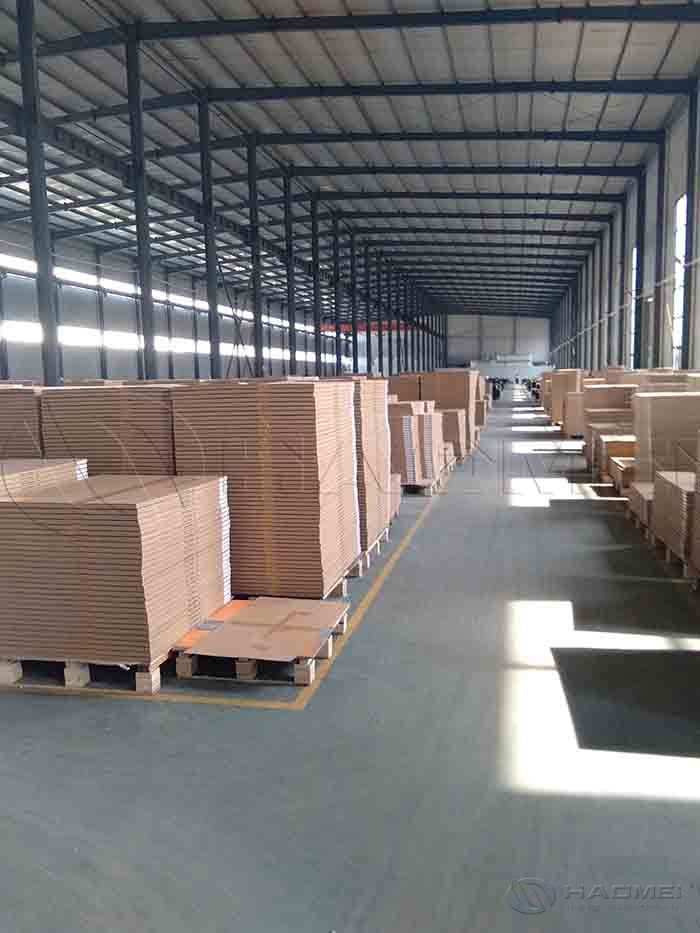
| Packing | Carton, pallet, light barrier, humidity protection | Check after ocean or truck transit |
| Shelf life | Storage temperature and humidity limits | FIFO inventory control |
For process control, ISO 12647-2 is a recognized standard for offset lithographic printing process control. It does not certify a plate by itself, but it gives measurable targets for tone value increase, solids, gray balance, and print consistency. For plant management systems, ISO 9001 certification is commonly requested, while environmental and chemical compliance may involve REACH in the EU and RoHS where electrical or electronic supply chains require restricted substance declarations.
Do not treat compliance as a verbal promise. Request current certificates, safety data sheets, and restricted substance declarations. For coated plates, also review waste handling rules for used developer, gum, and aluminum scrap under local environmental regulations.
Cost and supply cycle
Thermal plate cost is driven by aluminum substrate, coating chemistry, energy, labor, conversion yield, packaging, freight, and currency. Aluminum exposure is meaningful because rolled aluminum forms a large physical part of the product. LME publishes daily aluminum cash and futures references, so long-term contracts often use a formula linked to market aluminum plus conversion and coating charges.
| Cost driver | Market signal to monitor | Action for stable purchasing |
|---|---|---|
| Primary aluminum | LME aluminum price trend | Use monthly formula or fixed-period pricing |
| Alumina and power | Regional smelter cost pressure | Watch supply disruptions and energy policy |
| Coating chemicals | Solvent, resin, photothermal material availability | Approve secondary qualified sources |
| Ocean freight | Container rates and port congestion | Plan safety stock before peak season |
| Exchange rate | USD, EUR, RMB movement | Align quotation currency with payment cycle |
Market cycles matter. When aluminum prices rise quickly, plate quotations may lag for a short period, then adjust. When freight tightens, delivery risk can exceed material price risk. During demand peaks for packaging and publishing seasons, standard sizes may be prioritized, while non-standard sizes require longer production slots.
A practical sourcing plan includes three controls:
- Lock technical parameters before negotiating price.
- Keep approved samples from every shipment lot for dispute comparison.
- Track plate consumption by square meter, waste rate, and press stoppage, not carton price alone.
Incoming inspection steps
Large-volume users should inspect every shipment before releasing plates to production.
| Step | Inspection point | Pass condition |
|---|---|---|
| 1 | Carton and pallet condition | No water mark, crush damage, or broken light barrier |
| 2 | Label data | Size, thickness, batch number, production date, quantity match purchase order |
| 3 | Plate surface | No scratch, oxidation stain, coating streak, dent, or edge burr |
| 4 | Imaging test | Clean 1%-99% tonal range, no background haze |
| 5 | Processor test | Stable clean-out at specified temperature and speed |
| 6 | Press test | Normal ink-water balance and expected run length |
Store plates flat, away from sunlight, moisture, acid vapor, and high temperature. Many suppliers specify controlled warehouse storage, often around normal room temperature with moderate humidity; use the exact limits stated on the product label or technical data sheet. First-in, first-out handling prevents aged coating from entering critical production.
For annual contracts, request the following documents before shipment: technical data sheet, certificate of analysis, ISO certificate if claimed, SDS, packing photo, pallet specification, and batch traceability record. This document set reduces disputes and helps production teams adjust exposure and processing before downtime occurs.
- Offset Printing Plates: PS and CTP PlateApr 10, 2023
The offset printing plates usually has two types: PS plate and CTP plate. Aluminum base plate is a common choi...
- 1060 Aluminum Plate for Positive PS PlateMar 19, 2020
1060 aluminum plate is common choice for making positive PS plate. To get quality aluminum base plate, Haomei...
- Two Types of Digital Offset Printing PlatesAug 02, 2023
Offset printing plates are mainly divided into two types, namely PS plates and CTP plates. What are their deve...

- What Are Requirements of PS And CTP Plate on Surface RoughnessJul 14, 2021
CTP plate and positive PS plate both use an aluminum plate base as a support. Their requirements on the surfa...
- What Is PS Plate MeaningMar 26, 2020
PS plate meaning is pre-sensitized plate used in offset printing, having two types: negative and positive PS p...
Inquiry
TABLE OF Contents

Haomei Aluminum CO., LTD.
Tel/Whatsapp: +86-15978414719
Email: sale@alumhm.com
Website: https://www.alumhm.com
Xin'an Industrial Assemble Region,Luoyang,Henan Province,China
Office Add: 1103, No.14 Waihuan Road, CBD, Zhengzhou, China