3105 Vs 3003 Aluminum
Compare 3105 vs 3003 aluminum sheet/coil: chemistry, strength, forming, corrosion, and best uses for roofing, cladding, packaging and fabrication.
Bulk buyers often see 3105 vs 3003 aluminum quoted side by side for sheet, coil, strip, and foilthen discover that the better choice depends on how you will form, paint, braze, and cost-control the material. Both are non-heat-treatable 3xxx series alloys (Al-Mn based) known for corrosion resistance and good formability, but they are optimized for slightly different supply chains and end uses.

1) 3105 vs 3003 aluminum: the practical difference
3003 aluminum is the best-known general-purpose Al-Mn alloy: strong enough for many fabricated parts, easy to form, and widely stocked across tempers. 3105 aluminum is commonly positioned as a cost-effective, roll-forming and coating-friendly alloy for building and packaging-related sheet/coil, especially where painted surfaces and long coil runs are needed.
In day-to-day sourcing, the difference usually shows up in three places:
Chemical makeup: 3003 typically carries a bit more manganese and often small copper, giving slightly higher strength potential.
Forming route: 3105 is frequently specified for continuous coil processing (roll-forming, profiled sheet, coated coil).
Finish/coating systems: both take paint well; 3105 is very common in color-coated building products.
2) Chemical composition & temper: what to ask your supplier
For bulk purchasing, always confirm the governing standard (e.g., ASTM B209 or EN equivalents), temper (H14/H16/H18/H24, etc.), thickness tolerance, and surface requirements (mill finish, coated, embossed, etc.). Small chemistry differences can influence consistency in forming and final strength.
| Item | 3003 Aluminum (typical) | 3105 Aluminum (typical) | Buyer takeaway |
|---|---|---|---|
| Alloy family | 3xxx (Al-Mn) | 3xxx (Al-Mn) | Both are non-heat-treatable |
| Key additions | Mn + (often small Cu) | Mn + Mg (commonly) | 3003 often slightly higher strength potential |
| Common supply forms | sheet/plate, coil, strip, foil | coil, sheet/strip | 3105 frequently stocked in building/coil lines |
| Typical tempers | O, H12, H14, H16, H18 | O, H14, H16, H18, H24 | Match temper to forming depth and stiffness |
Purchasing tip: If your part relies on deep drawing, request trial coils or confirm forming history (cold reduction schedule) because temper and process control matter as much as alloy number.
3) Mechanical properties & forming: which bends and draws better?
In most thicknesses and tempers, 3003 tends to be the safer choice for general fabrication because its widely used across stamping, drawing, and forming applications. 3105 is also very formable, but its often chosen when you need good stiffness at gauge plus reliable performance in roll-forming and coated coil production.
Simple rule-of-thumb (for bulk selection)
Choose 3003 if you need excellent general formability and broad availability for mixed fabrication.
Choose 3105 if your line is coil-centric (roll-forming, corrugated/profiling, painted building products) and you want a common, economical alloy for that ecosystem.
| Requirement | Better default choice | Why |
|---|---|---|
| Deep drawing / cookware-style forming | 3003 | Very established draw performance in appropriate tempers |
| Roll-forming, profiled building sheet | 3105 | Commonly specified for coil coating + roll-form lines |
| General purpose sheet metal work | 3003 | Easier cross-sourcing and widely used |
| Stiffness at gauge with coated coil | 3105 | Often paired with H-series tempers for panels |
4) Corrosion resistance, welding & finishing
Both alloys offer strong atmospheric corrosion resistance, making them suitable for HVAC, building skins, and general industrial environments.
Corrosion resistance: Comparable in most real-world conditions. For marine immersion or severe salt spray, buyers typically move to 5xxx marine grades rather than relying on 3xxx.
Weldability: Both weld well with common methods (MIG/TIG). Confirm filler wire selection with your welding procedure.
Brazing: If brazing is critical, discuss with your supplier because alloy chemistry and surface condition can affect brazing response.
Painting/coating: Both accept coatings well; 3105 is frequently seen in color-coated and pre-painted coil supply.
If your main need is simply a reliable aluminum sheet/coil base for fabrication, starting your RFQ with 3003 is common. If your product is a coated architectural panel or long-run profiled sheet, 3105 is often the more typical spec.
5) Applications & sourcing guidance for bulk buyers
Here are the most common end-use patterns that reduce confusion when comparing 3105 vs 3003 aluminum sheet, coil, strip and foil:
| Industry / use | Typical alloy pick | Common reason |
|---|---|---|
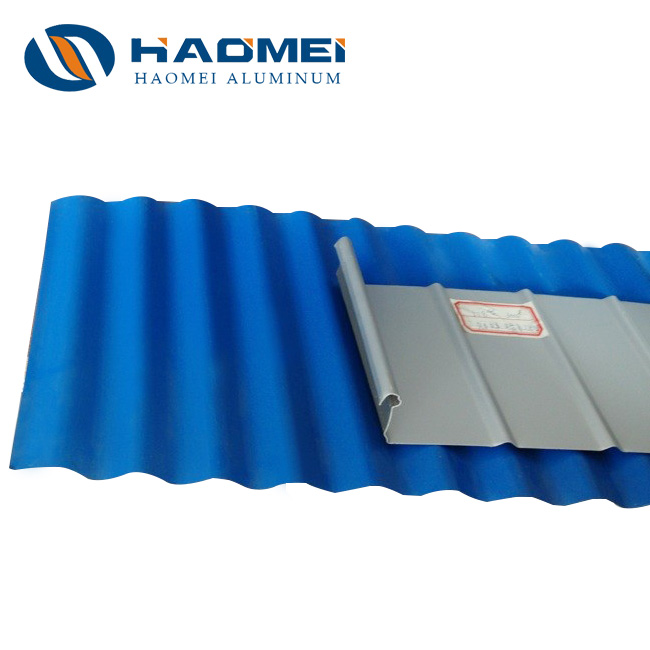
| Building cladding, roofing, gutters, downspouts | 3105 | Coil coating compatibility + roll-forming supply chain |
| General fabrication, tanks, brackets, enclosures | 3003 | Versatile forming and broad sourcing |
| Heat exchangers / fins (non-brazed or general) | 3003 | Mature usage and availability |
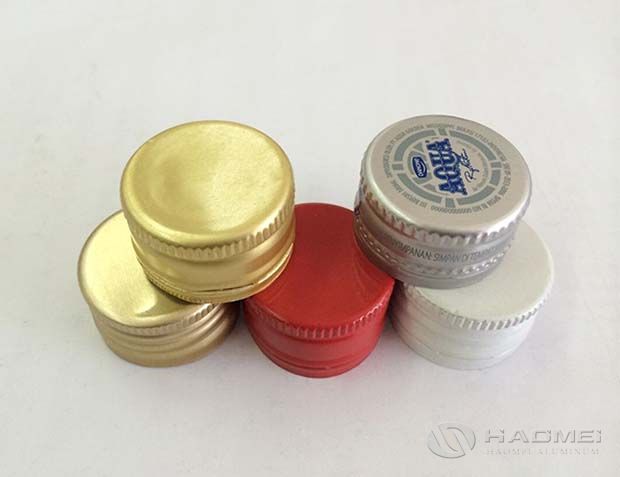
| Packaging closures, light-gauge strip | 3105 or 3003 | Depends on stiffness, coating, and line qualification |
RFQ checklist (reduces re-quotes and delays)
When you request pricing for 3105 or 3003, include:
Product form: sheet, coil, strip, foil (ID/OD and coil weight if coil)
Temper: O / H14 / H16 / H18 / H24 (and required mechanical range if critical)
Thickness & width tolerances: plus flatness/camber requirements
Surface: mill finish, one-side film, coating system/color, embossing
End-use forming: roll-forming radius, stamping depth, bend radius direction
Compliance & testing: standard, inspection level, certificates, RoHS/REACH if needed
Recommended internal product references
If your project is explicitly sourcing 3003 as a baseline, see 3003 aluminum sheet for common supply forms and specs.
If you are still deciding between alloys and want a broader view of available gauges and formats for large-volume orders, review 3000 series alumkinum to align thickness, temper, and finish options before finalizing 3105 vs 3003.
Conclusion: 3105 vs 3003how to decide fast
Choose 3003 aluminum when you want a widely accepted, general-purpose forming alloy with strong availability across sheet/coil/strip/foil and proven performance in fabricated parts. Choose 3105 aluminum when your product is coil-drivenespecially for coated building products, roll-formed profiles, and long-run panel applicationswhere the supply chain commonly standardizes on 3105.
If you share your thickness range, temper, coating (if any), and forming method, suppliers can quickly confirm which alloy will deliver the best yield, surface quality, and cost stability for bulk purchasing.
- Which Is More Popular Aluminium: 6061 Or 5052Jun 03, 2026
Wondering the differences & popularity of 5052 and 6061 aluminum alloys? Compare their properties, core applic...
- Different Kinds of 3mm Thick Aluminium SheetFeb 23, 2022
3 mm is a commonly used aluminum sheet thickness. What are the different types of 3mm thick aluminum sheets?...
- 1050 AlloyMar 12, 2026
1050 alloy aluminum for electrical, forming, and anodizing: purity, conductivity, temper selection, QA checkli...

- Aluminum Sheet for Solar Panel Sheet Metal PartsSep 03, 2026
Learn the key material selection criteria for PV module sheet metal accessories. Compare 3003 and 5052 aluminu...
- Alu Sheet for PCBDec 14, 2021
Alu sheet for PCB is widely used in the electronic field because of its multiple advantages like good heat dis...
Inquiry
TABLE OF Contents

Haomei Aluminum CO., LTD.
Tel/Whatsapp: +86-15978414719
Email: sale@alumhm.com
Website: https://www.alumhm.com
Xin'an Industrial Assemble Region,Luoyang,Henan Province,China
Office Add: 1103, No.14 Waihuan Road, CBD, Zhengzhou, China