Diameter Options for Aluminum Cookware Discs
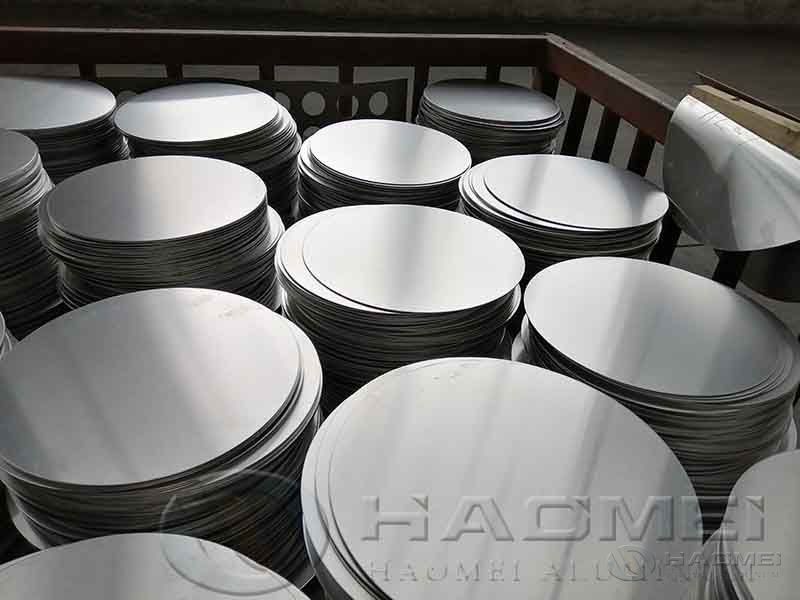
Shop premium aluminum circles for diverse cookware & tableware. Learn precise size & thickness selection rules for woks, pans, basins, lids & custom tableware to balance quality and cut production costs.
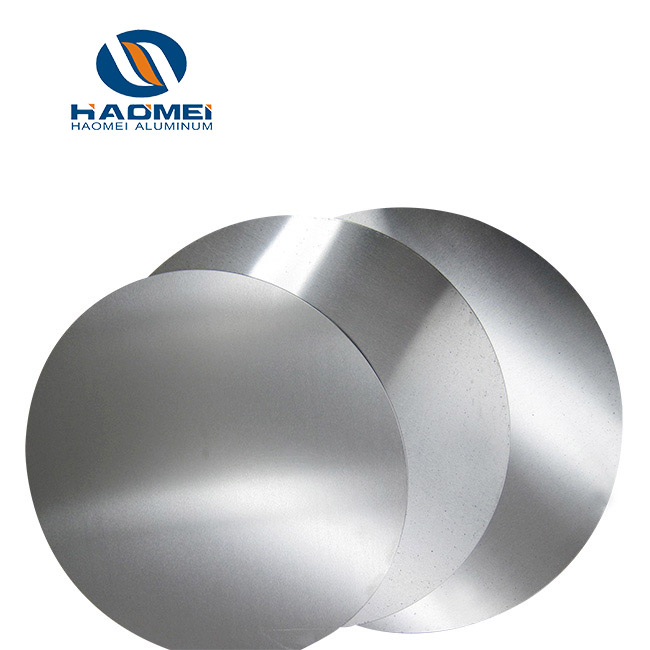
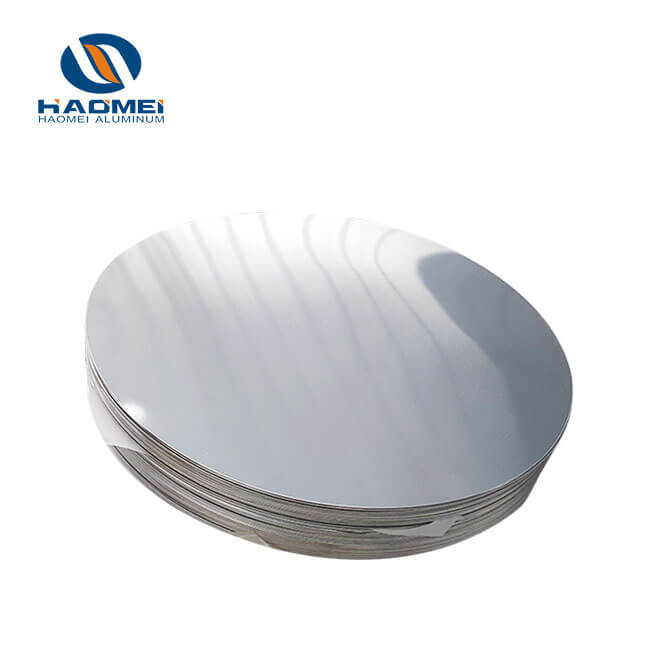
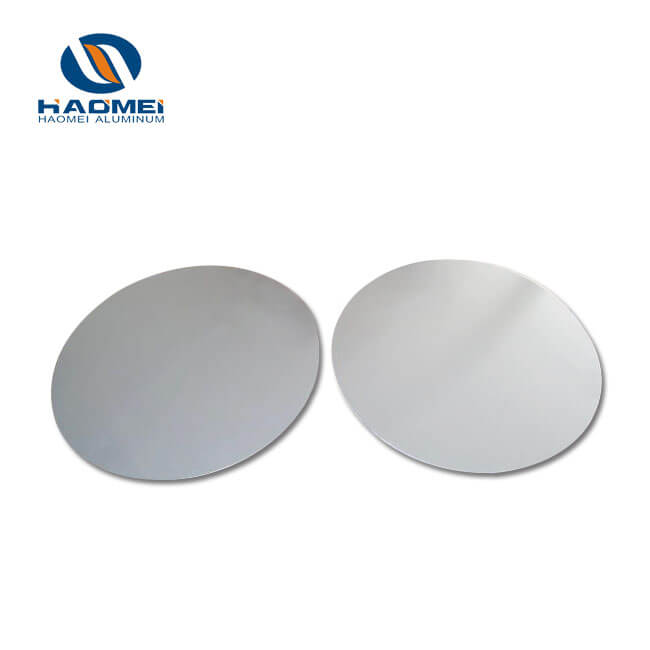
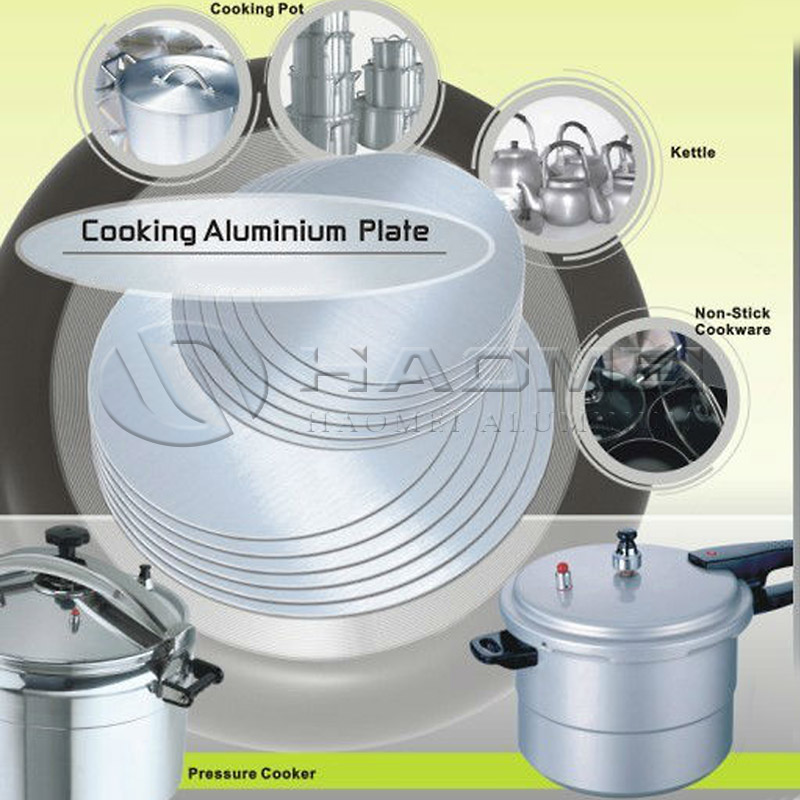
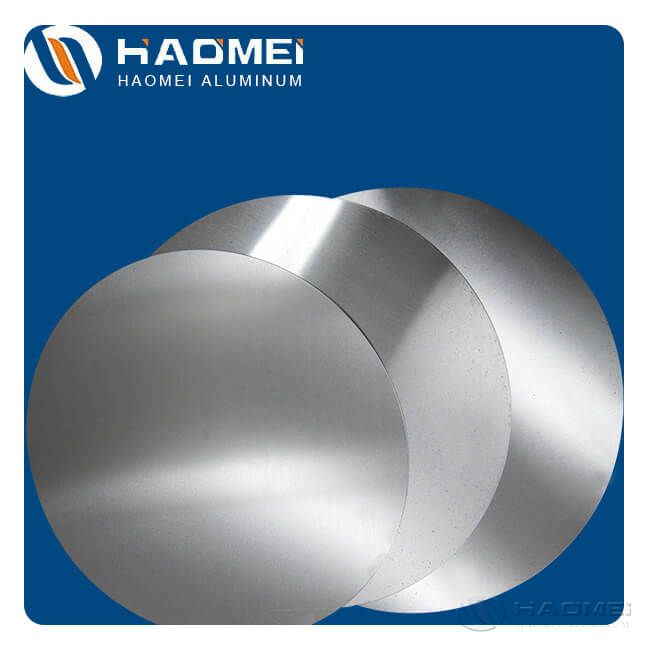
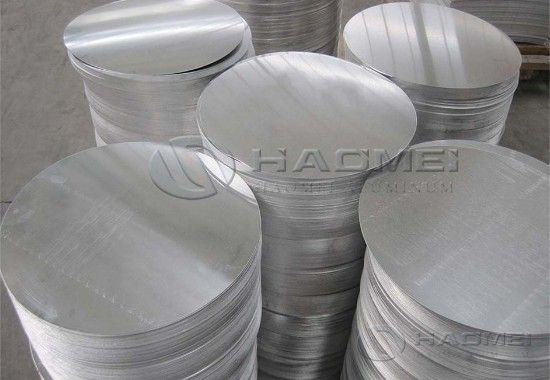
Aluminum circles are the core material for aluminum cookware, characterized by uniform heat conduction, excellent ductility, and easy molding. They are widely used in cookware, bowls, lids, and custom tableware. When selecting materials, cookware manufacturers must carefully choose the diameter of the aluminum discs.
Too small a size can lead to material shortages and defects in the finished product, while too large a size will waste materials and increase costs. Precise matching of specifications is key to balancing cookware quality and production costs.

I. Woks and Soup Pots: Sufficient Allowance Required for Deep Drawing
Most conventional cookware is produced using a deep drawing process, requiring sufficient allowance for stretching. Therefore, the diameter of the suitable aluminum disc is generally 10-30mm larger than the diameter of the finished pot opening, which is a core standard for cookware selection.
Small household milk pots and baby food pots typically have a finished opening diameter of 12-18cm. Suitable aluminum discs have a diameter of 120-200mm and a thickness of 0.8-1.5mm, making them lightweight and suitable for small-capacity cooking scenarios.
Household standard soup pots and stew pots have a finished diameter of 20-28cm, corresponding to aluminum discs of 220-300mm. These are the mainstream and best-selling specifications in the market. The finished pots are neat and wrinkle-free, meeting daily stewing needs.
Household woks have mainstream diameters of 30cm, 32cm, and 34cm, suitable for aluminum discs of 320-360mm. Commercial large woks and canteen stew pots can reach diameters of 36-40cm, suitable for aluminum discs of 380-420mm. The preferred thickness is 2.0-3.0mm, which is heat-resistant, not easily deformed, and suitable for high-frequency commercial scenarios.
II. Frying pans and skillets: Shallow stretching molding, high dimensional accuracy requirements
Frying pans, skillets, and pizza pans are shallow stretching cookware. The stretching range is small, requiring no large edge allowance. The difference between the aluminum disc size and the finished diameter is minimal. Dimensional accuracy directly determines the flatness of the bottom and the molding effect, making the selection criteria more stringent.
Mini single-person frying pans and breakfast pans have a finished diameter of 16-20cm, compatible with 160-220mm aluminum round plates. Compact and flexible, they are suitable for frying eggs and preparing baby food.
Household general-purpose frying pans have mainstream diameters of 24cm, 26cm, and 28cm, corresponding to standard aluminum round plates of the same size. The error can be controlled within 5mm. The finished pans have a flat bottom and even heat distribution, suitable for both gas stoves and induction cooktops.
Commercial large-capacity frying pans and teppanyaki pans have a diameter of 30-36cm, compatible with 300-360mm aluminum round plates. A thickness of 1.5-2.5mm is recommended to effectively avoid problems such as bottom deformation and edge warping caused by long-term use.
III. Aluminum Basins and Kitchenware: Wide Size Range, Suitable for Various Scenarios
Aluminum washing basins, kneading basins, seasoning basins, and other basins are formed using a shallow stretching and rolled edge process. They have a wide size range and moderate stretching allowance, making them more adaptable to various scenarios.
Small condiment bowls and baby food bowls, with a diameter of 18-22cm, are compatible with 180-220mm aluminum discs. Lightweight and durable, they are primarily used for portioning food and storing condiments.
Domestic mainstream mixing bowls and washing bowls, with a diameter of 24-32cm, are compatible with 240-320mm aluminum discs. These are standard specifications in home kitchen sets, offering practicality and moderate capacity.
Commercial canteen serving bowls, fermentation bowls, and other large-sized containers, with a diameter of 34-50cm, are compatible with 340-500mm aluminum discs. Extra-large sizes can be customized up to 600mm wide sheets, with a preferred thickness of 1.0-2.0mm, balancing toughness and load-bearing capacity to meet large-capacity commercial needs.
IV. Pot Lid Accessories: Precise Fit to Pot Opening, Sealing is Key
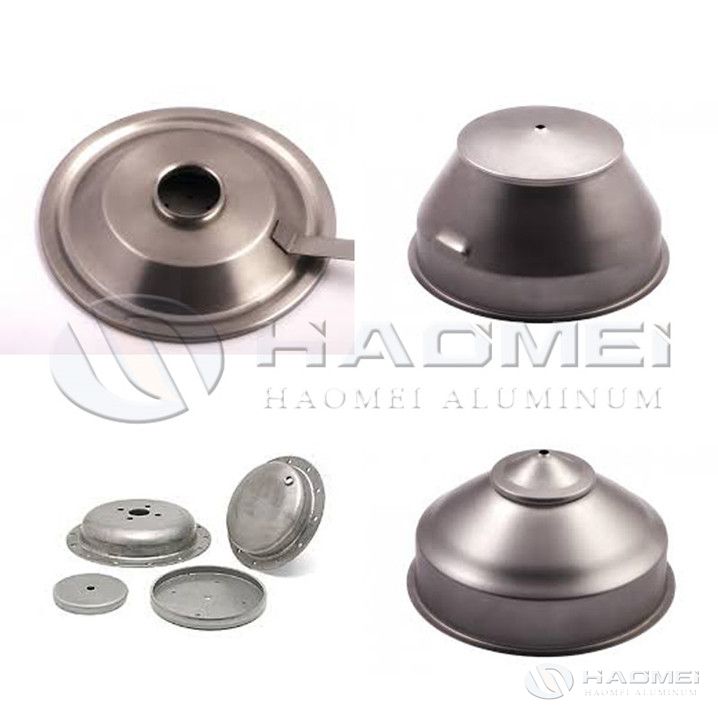
Aluminum pot lids do not require stretching or forming; only cutting and edge rolling are needed. Selection follows the principles of fitting the pot opening and ensuring a tight seal. The utensil aluminium circle size is essentially the same as the finished lid, resulting in almost no material waste. Selection is simple and intuitive.
12-18cm small milk pots and saucepan lids fit 115-175mm aluminum discs; 20-28cm standard cookware lids fit 195-275mm sizes.
30-34cm household frying pan lids correspond to 295-335mm aluminum discs; commercial large-size cookware lids are available in 350-410mm sizes, ensuring a perfect fit, good sealing, and minimal wobbling.
V. Customized Aluminum Tableware: Flexible Fit for Non-Standard Sizes
Customized aluminum tableware such as plates, trays, and compartmentalized lunch boxes have no fixed universal specifications and can be flexibly customized according to product design, fitting aluminum round sheets of 80-1200mm full size.
Small items such as children's plates, small dishes, and condiment trays mostly use small-diameter aluminum round sheets of 80-200mm, with exquisite shapes and a thin, lightweight feel.
Hotel and business dining plates and regular round trays are compatible with sizes of 220-400mm, while large display plates and commercial trays can use larger aluminum round sheets of 400mm and above.
Custom selection requires consideration of product structure. Shallow flat trays can be precisely selected according to the finished product size, while deep lunch boxes and deep plates require a 5-15mm stretch allowance to prevent insufficient forming dimensions. Food-grade aluminium circles for utensils can also be selected to ensure tableware safety and compliance.



- China Aluminium Discs ManufacturersSep 03, 2020
Aluminum circle for cookware has a relatively large demand on the market. As a China aluminum discs manufactur...
- Will Anodised Aluminium Discs RustMar 11, 2020
The anodized aluminum discs will not rust, but the right using and maintenance tips will extent its life and y...
- The Features of Aluminum Circle for Pan ChinaJun 03, 2020
Why is the the use of aluminum circle for pan china is so popular? There are four advantages. Learn more form...
- How to Ensure Quality of 3 12 Inch Aluminum DiscApr 23, 2023
3-12 inch aluminum disc is widely used for kitchenware, cookware, road sign, sublimation, can,etc. How is alum...
- Different Alloys of Aluminum Discs CirclesSep 03, 2020
Different alloys of aluminum discs circles have different features and have different performance in the cookw...
Inquiry
TABLE OF Contents

Haomei Aluminum CO., LTD.
Tel/Whatsapp: +86-15978414719
Email: sale@alumhm.com
Website: https://www.alumhm.com
Xin'an Industrial Assemble Region,Luoyang,Henan Province,China
Office Add: 1103, No.14 Waihuan Road, CBD, Zhengzhou, China