1060 Aluminum Sheet
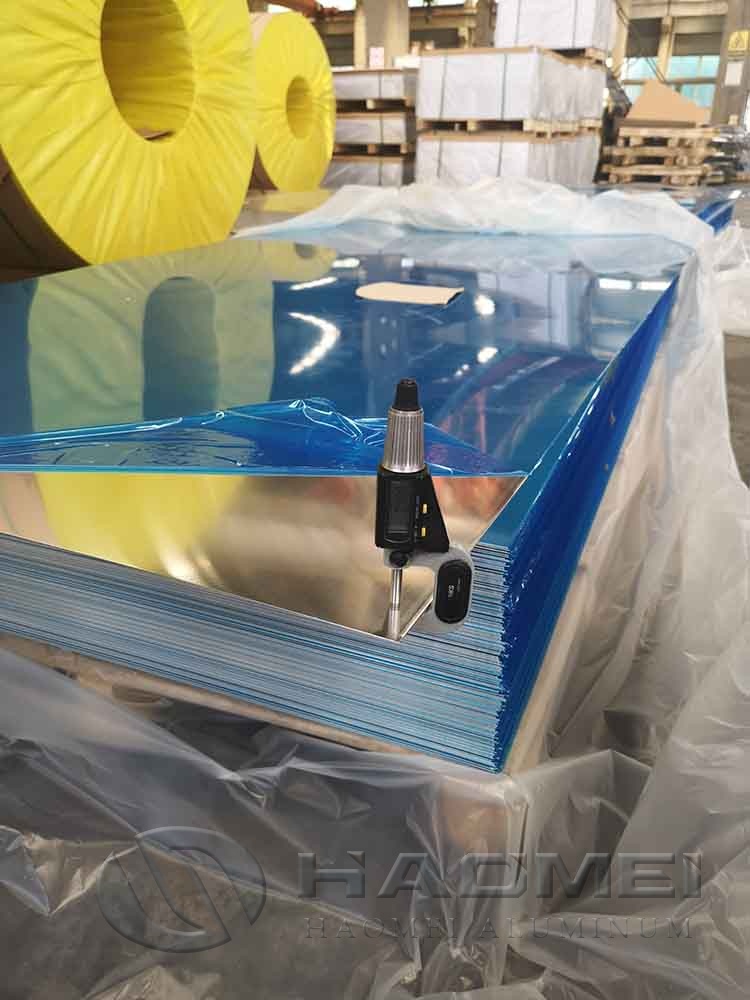
Specify 1060 aluminum sheet with verified chemistry, temper, flatness, finish, pricing formula, compliance records, and delivery controls in contract.
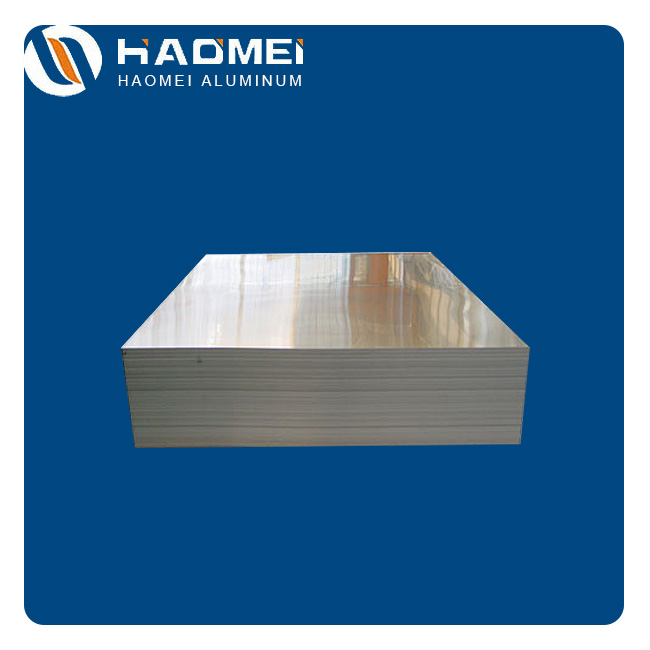
1060 aluminum sheet is a commercially pure aluminum product specified when formability, electrical conductivity, corrosion resistance, and reflective appearance matter more than structural strength. Its main purchasing risk is not alloy availability; it is receiving material with the wrong temper, surface condition, dimensional tolerance, or packing protection for the downstream process.
For production orders, define the material against an applicable standard, then convert the end-use requirement into measurable acceptance criteria. Do not rely on a grade name alone.

Material Performance and Processing Controls
Alloy 1060 contains at least 99.60% aluminum under ASTM B209/B209M chemical-composition requirements. It is part of the 1xxx series, meaning it is non-heat-treatable. Strength is developed primarily through cold work, identified by tempers such as O, H12, H14, H16, H18, and H24.
| Property | Practical implication | Procurement control |
|---|---|---|
| Minimum aluminum content: 99.60% | Good electrical and thermal conductivity; high ductility | Request mill test certificate chemistry, including Si + Fe and Cu values |
| Density: about 2.70 g/cm³ | Supports weight calculations and freight planning | Calculate theoretical mass before approving packed weight |
| Non-heat-treatable alloy | Temper cannot be restored through ordinary solution heat treatment | State temper and permitted hardness range on the purchase order |
| High corrosion resistance | Suitable for many indoor and general industrial environments | Confirm exposure to alkali, cement, chlorides, or galvanic contact |
| Low strength versus 3xxx, 5xxx, and 6xxx alloys | Not appropriate for load-bearing panels without engineering validation | Define minimum mechanical properties where forming loads matter |
ASTM B209/B209M covers aluminum and aluminum-alloy plate and sheet. For European specifications, EN 573-3 addresses chemical composition, while EN 485 series documents mechanical properties and tolerances for wrought aluminum products. A contract should state the revision year of the selected standard because tolerances and testing provisions can vary by edition.
The temper selection should follow the forming method:
O temper: Best for deep drawing, spinning, bending, and embossed shapes. It reduces cracking risk but can mark more easily during handling.
H14: A common half-hard condition for general fabrication, signage, reflectors, and panels requiring better handling resistance.
H18: Higher hardness for applications needing rigidity in thin gauges, but with less forming latitude.
H24: Strain-hardened and partially annealed material, often selected where moderate strength and formability must coexist.
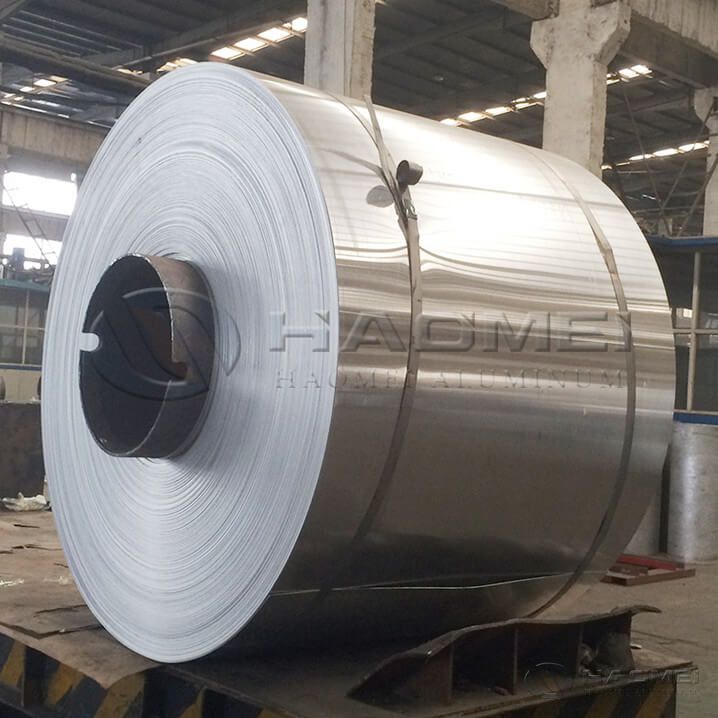
Processing usually follows this route: primary aluminum melting, composition control, casting into slab, hot rolling, cold rolling to final gauge, annealing or temper rolling, slitting or cut-to-length, inspection, and packing. For thin material, thickness control, edge quality, coil set, oil level, and interleaf selection often create more downstream cost than the metal itself.
When comparing pure-alloy options, 1050 Pure Aluminum Sheet can be suitable where similar formability is required. However, substitute approval should not be automatic: compare chemical limits, required conductivity, surface appearance, forming behavior, and customer drawing requirements before changing alloy.
Application Fit, Dimensions, and Surface Requirements
Typical uses include electrical bus components, transformer windings, heat-transfer parts, lighting reflectors, traffic signs, decorative panels, chemical equipment linings, cookware blanks, and spun discs. For electrical applications, specify conductivity testing when it is functionally necessary; chemistry alone does not confirm finished-product conductivity after processing.
| End use | Recommended specification focus | Frequent failure mode |
|---|---|---|
| Deep-drawn or spun disc | O temper, isotropic forming behavior, clean surface, controlled earing | Edge cracking, orange peel, uneven draw depth |
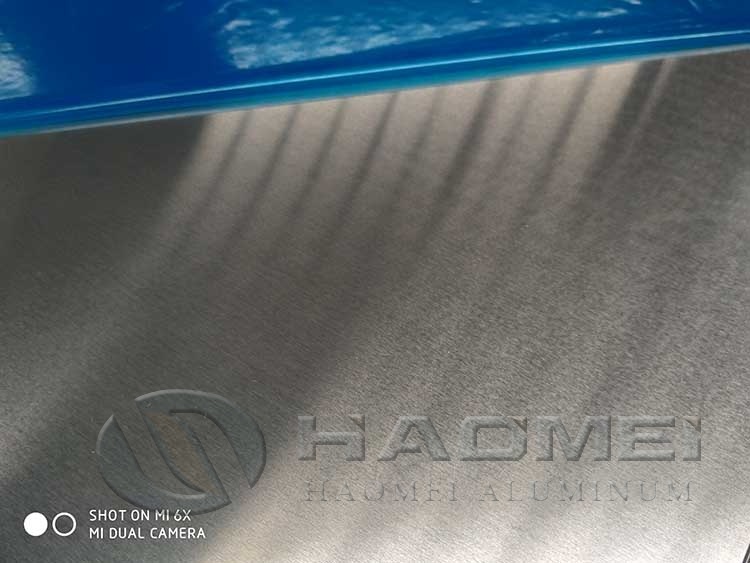
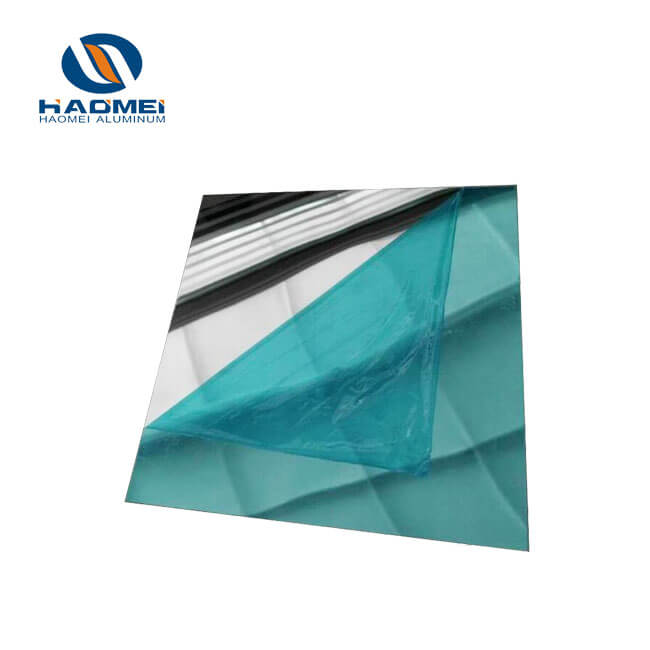
| Reflective or decorative panel | Surface class, protective film, gloss or reflectance target, scratch limits | Roller marks, handling scratches, film residue |
| Electrical component | Chemistry certificate, conductivity test method, burr limit | Excessive burr, poor contact area, conductivity variation |
| Insulation jacketing | Gauge tolerance, stucco or smooth finish, coil width, moisture-resistant packing | Oil staining, telescoped coil, corrosion during storage |
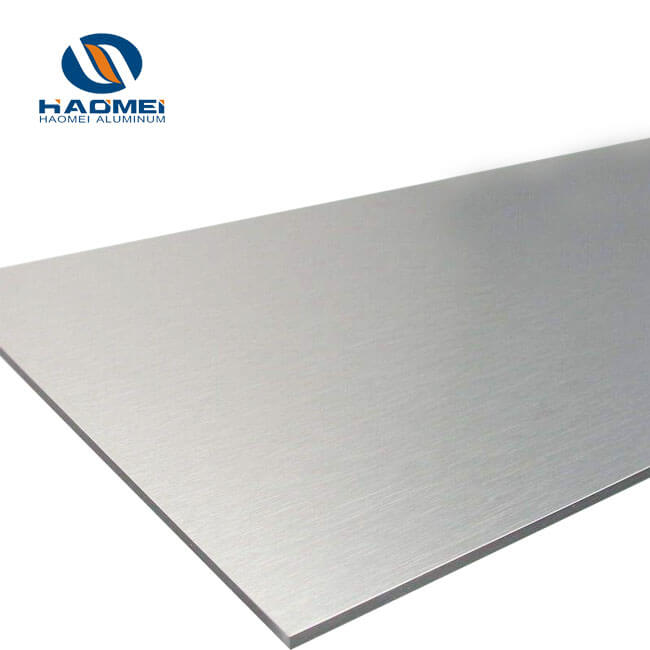
| General fabrication panel | Flatness, squareness, temper, protective film direction | Buckling, waviness, film damage during cutting |
Use a dimensional checklist rather than a nominal-size request:
State thickness and tolerance, using the selected ASTM or EN standard where applicable.
State width, length, diagonal tolerance, and flatness requirement for cut lengths.
For coil, state inside diameter, outside-diameter limit, maximum unit weight, winding direction, and allowable telescoping.
Define edge condition: mill edge, slit edge, deburred edge, or rounded edge.
Define surface acceptance on both sides, including allowable dents, stains, scratches, roll marks, and protective-film requirements.
Require traceability from package label to mill test certificate and final inspection report.
For products needing higher corrosion strength, better weldability, or load-bearing capability, a 1xxx alloy may be the wrong choice. 5052 Aluminum Sheet/Plate is commonly evaluated for fabricated components exposed to moisture and requiring substantially greater strength, although it costs more and behaves differently in forming.
Cost Structure, Supply Risk, Compliance, and Order Execution
The commercial price of 1060 material is normally built from an aluminum market reference, regional premium, conversion charge, finishing charge, packaging, freight, and any applicable duty or tax. The metal reference moves daily, while conversion is driven by thickness, width, order size, temper, surface requirements, yield loss, and plant loading.
| Cost driver | Why it moves | Contract action |
|---|---|---|
| Aluminum reference price | Exchange pricing, energy costs, macroeconomic demand | Specify pricing date, averaging period, and exchange reference |
| Regional premium | Local availability, logistics, warehouse stocks | Separate premium from conversion in quoted pricing |
| Conversion charge | Rolling capacity, gauge, width, finishing complexity | Lock conversion for a defined volume and validity period |
| Scrap and yield | Narrow widths, discs, tight tolerances, surface rejection | Agree whether trim loss is included in the quoted weight |
| Freight and packing | Route, container availability, moisture protection | State Incoterms 2020, packing design, and cargo-insurance responsibility |
A disciplined request for quotation should include alloy, temper, standard, dimensions, quantity by size, surface class, packing, delivery destination, and inspection method. For repeat programs, add a forecast window and permitted call-off variation. This enables mills and service centers to reserve rolling capacity and reduce spot-market exposure.
Supply cycles for primary aluminum are influenced by electricity prices, smelter curtailments, bauxite and alumina availability, interest rates, automotive and construction demand, and transport disruption. Rolling-product availability can tighten independently of primary metal when mills prioritize can stock, automotive material, or higher-margin specialty products. Maintain at least two technically approved sources when continuity is critical, but qualify each source through trial processing rather than certificates alone.
Compliance requirements depend on the import destination and end use. For EU imports, aluminum is within the scope of the Carbon Border Adjustment Mechanism, with the definitive regime beginning on January 1, 2026. Importers should verify the current reporting, declaration, embedded-emissions, and certificate obligations applicable to their tariff classification and origin. For U.S. transactions, confirm current Section 232 treatment, country-specific arrangements, and tariff classification with a customs professional because measures can change.
Before release, require this document package:
Mill test certificate showing heat or lot traceability, chemistry, temper, dimensions, and applicable test results.
Certificate of conformity referencing the exact contractual standard.
Packing list with net weight, gross weight, package count, and coil or bundle identification.
Surface and dimensional inspection record for critical orders.
Declaration of origin and customs documentation where required.
REACH, RoHS, conflict-minerals, or customer-specific declarations only when applicable to the final market.
The strongest control for 1060 aluminum sheet is a measurable specification: approved temper, dimensional tolerances, surface standard, traceability, and a pricing formula stated before production starts.

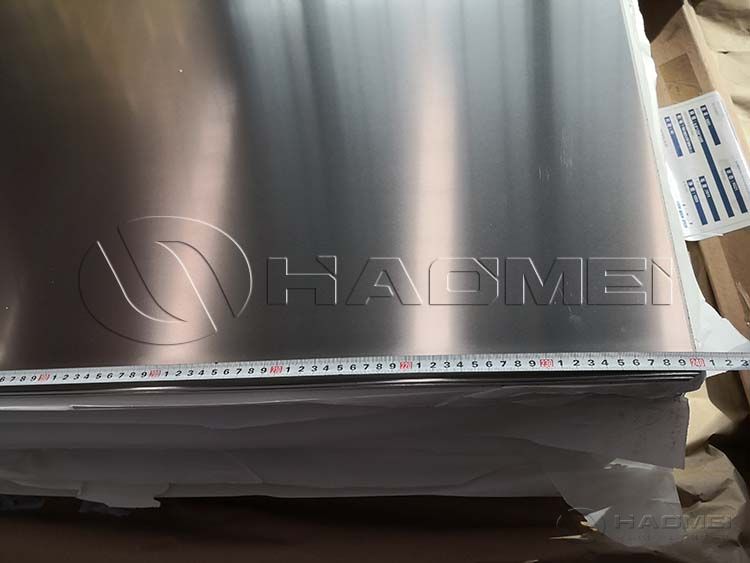
- Why Is Aluminum Sheet 3003 5052 So PopularDec 24, 2025
The popularity of aluminum sheet 3003 5052 depends on many factors like superior performance, medium strength...
- 7075 Aluminum Plate V2A12 Aluminum PlateAug 05, 2020
Both 7075 and 2A12 aluminum plate belongs to aircraft aluminum sheet. What are their difference in strength an...
- Brushed Aluminium Sheets SuppliersOct 26, 2020
The brushed aluminium sheet is a high-end type of aluminum sheets. Welcome to contact Haomei Aluminum, brushed...
- What Are Advantages of Aluminum Reflector Sheet for LightingApr 28, 2023
The aluminium reflector sheet is mainly used lighting ,especially explosion-proof street lights due to excelle...
- The Types of Automotive Aluminum SheetJan 07, 2021
The main types of automotive aluminum sheet include 6060, 5182, 5083 and 6061 aluminum sheet, etc. What are th...
Inquiry
TABLE OF Contents

Haomei Aluminum CO., LTD.
Tel/Whatsapp: +86-15978414719
Email: sale@alumhm.com
Website: https://www.alumhm.com
Xin'an Industrial Assemble Region,Luoyang,Henan Province,China
Office Add: 1103, No.14 Waihuan Road, CBD, Zhengzhou, China