1050 Alloy
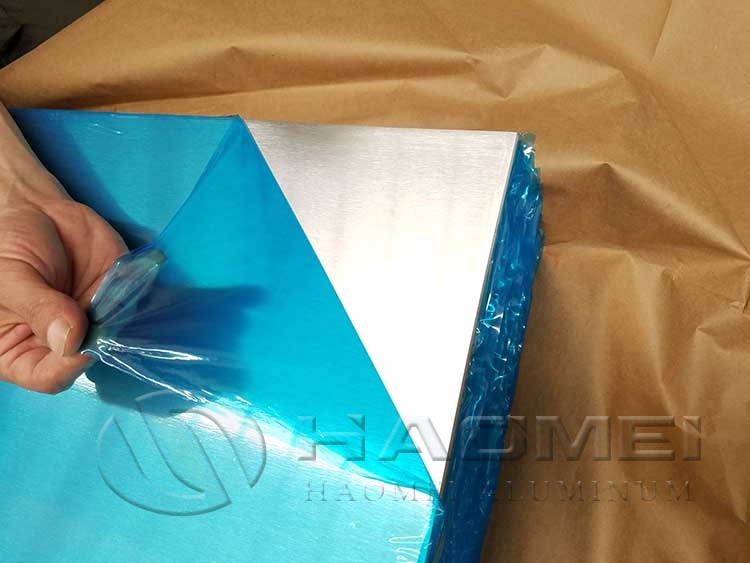
1050 alloy aluminum for electrical, forming, and anodizing: purity, conductivity, temper selection, QA checklist, and comparisons for high-volume sourcing.
Why 1050 grade is chosen: predictable conductivity (top concern)
If your application is power transfer, busbar laminations, transformer parts, heat transfer fins, or reflective/anodized products, the biggest risk is inconsistent electrical performance. The 1050 series (commercially pure aluminum) is often specified because it delivers high electrical conductivity with stable, well-documented chemistry.

What the standards actually say (verifiable)
To avoid "looks similar" substitutions, reference recognized designations:
EN AW-1050A (Europe, EN 573 / EN 485 family)
AA 1050 (North America, Aluminum Association designation system)
For AA 1050, commonly cited minimum aluminum content is 99.5% Al. (This is consistent across widely used alloy tables and the Aluminum Association designation intent for 1xxx series.) Always confirm with the supplier's certificate for the governing standard and revision used.
Conductivity expectations you can specify on PO
Electrical conductivity is commonly ordered as either % IACS (International Annealed Copper Standard) or MS/m.
Checklist for your requirement line:
State a target conductivity (example format): "Electrical conductivity ≥ X % IACS, test method per applicable standard."
State temper (O, H14, H18, etc.) because work hardening can slightly affect conductivity and forming.
Require lot-based test reporting in the Mill Test Certificate (MTC).
Notes for compliance teams: % IACS reporting is common in electrical aluminum supply chains. If your use is regulated (e.g., electrical power equipment), align the test and acceptance criteria with your internal spec or relevant IEC/ASTM practices.
Quick comparison: when 1050 is the right call vs alternatives
Use the table to prevent conductivity-driven redesigns.
| Material choice | Typical strength level | Conductivity focus | Forming/anodizing | Better when | Not ideal when |
|---|---|---|---|---|---|
| 1050 (commercially pure) | Low | High | Excellent | Electrical conduction, deep forming, reflectivity | High structural loads |
| 1060 / 1070 (higher purity 1xxx) | Low | Higher | Excellent | You need maximum conductivity within 1xxx | Cost sensitivity if not needed |
| 3003 (Mn alloyed) | Medium | Lower | Very good | Heat exchangers needing higher strength | Conductivity is a hard spec |
| 5052 (Mg alloyed) | Medium-high | Lower | Good | Corrosion resistance + strength | Electrical conduction targets |
If you need a fast internal reference point for ordering formats and thickness tolerances, you can align requirements with your upstream material page for Aluminum Sheet/Plate.
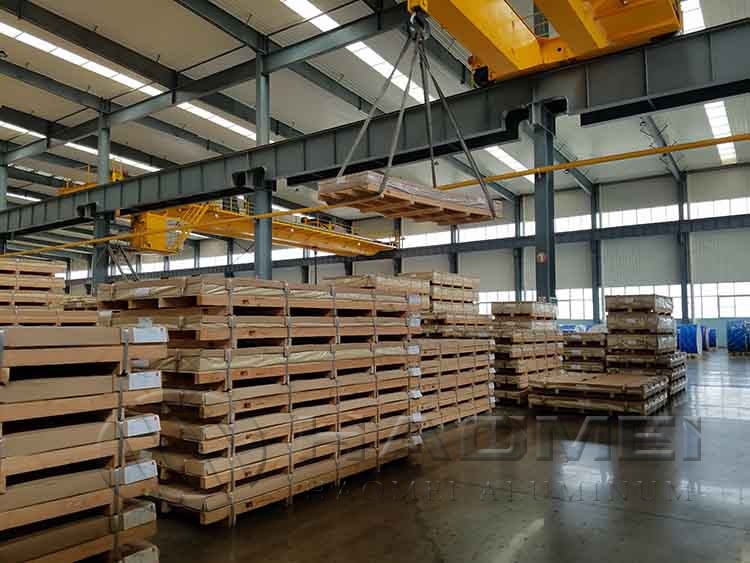
Order spec checklist to control conductivity and yield
Short, enforceable specifications reduce disputes and rework.
1) Call out the exact designation and standard
Write: "EN AW-1050A" or "AA 1050" (do not mix naming systems).
Add the governing product standard (examples by region): EN 485 (for rolled products), ASTM/SAE internal specs if used in your supply chain.
2) Temper selection: tie it to bending and stamping
Common tempers you'll see:
O (annealed): best formability, lowest strength.
H14 / H24: partial hard, good balance for forming + flatness.
H18: harder, better for rigidity, reduced formability.
Process control tip:
If cracking at bends is your current problem, specify larger inside bend radius and consider O or H24.
If oil-canning/flatness is your issue, confirm leveling method and flatness tolerance before production.
3) Define surface and cleanliness for electrical contact
Conductivity at the alloy level can be wasted by poor contact surfaces.
Specify allowable surface condition: "free of heavy oxidation, rolling marks within agreed limits."
If used for contact parts, require controlled packaging to avoid moisture and staining.
4) Require traceability and test documents
Add these lines to the PO:
MTC with: chemistry, mechanical properties (if applicable), conductivity results, and lot/coil ID.
RoHS/REACH declarations if your market requires them (especially for electronics and consumer goods supply chains).
5) Practical incoming inspection steps (fast to execute)
Verify marking/labels match: designation, temper, lot.
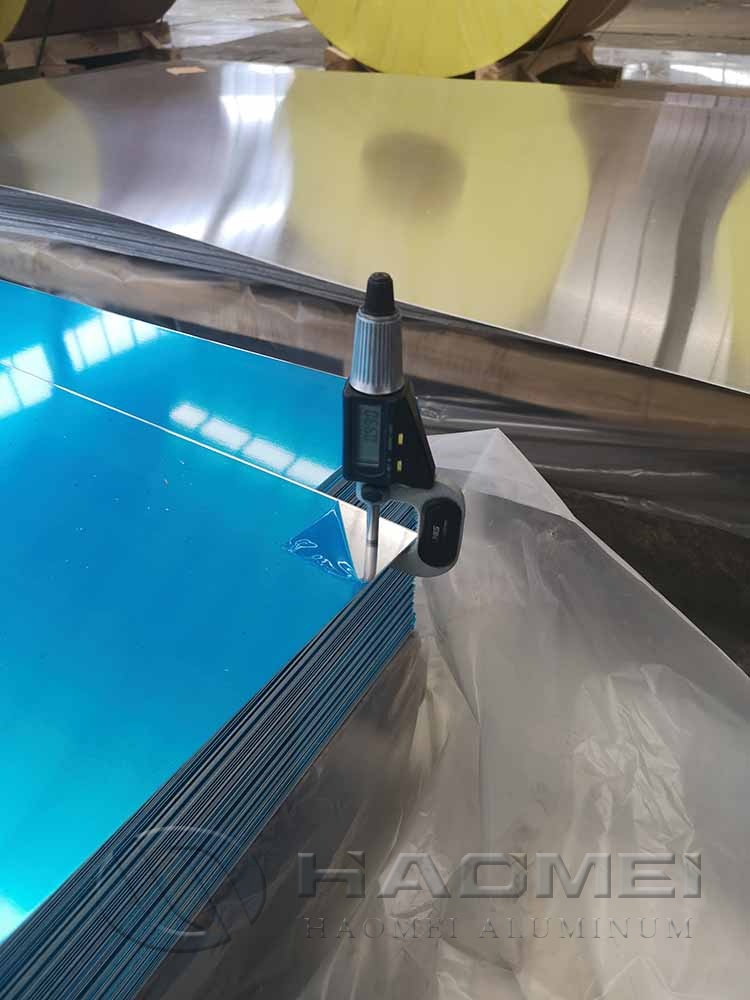
Spot-check thickness and width vs tolerance.
Measure conductivity on representative samples (calibrated eddy-current device or approved method).
Visual check under consistent lighting for oxidation and handling dents.
Pricing and market factors you can validate (no guessing)
For commercial-purity aluminum, pricing is typically driven by:
Primary aluminum benchmark (e.g., LME cash/3-month pricing) plus conversion cost.
Temper, thickness, and surface requirements (more processing = higher conversion).
Scrap and energy costs (region-dependent).
Actionable step for procurement teams:
Ask suppliers to quote with a transparent formula: "LME (or regional benchmark) + conversion + premium," and define the pricing period and FX basis.
Product option to match: stable supply of 1050 grade
If your internal drawings require the commercially pure grade specifically, keep the designation consistent through production planning and documentation. For a dedicated product page aligned to that designation, use 1050 Pure Aluminum Sheet so engineering and purchasing reference the same spec language.
Use-case snapshot (problem-solving)
If your current issue is "conductivity variance between lots," the most common fixes are:
Lock the standard (AA vs EN) and temper.
Specify minimum conductivity reporting on MTC.
Control surface condition and packaging to protect contact performance.
Audit one supplier's melt-source consistency and test method alignment.
- The Application of Common Alloy Aluminium SheetOct 30, 2020
The common alloy aluminium sheet is of light weight, various colors and wide applications. Welcome to inquire...
- Which Are Bendable Aluminum SheetsSep 29, 2020
1100,5052 and 3003 aluminum sheet in semi hard temper are the bendable aluminum sheets. When bending, we need...
- How to Identify the Quality of Stucco Embossed Aluminum SheetNov 21, 2019
How to identify the quality of the stucco embossed aluminum sheet? Gloss, thickness and casting process are th...
- Process and Uses of Brushed Anodized Aluminum SheetsJun 06, 2022
The brushed anodized aluminum is of wide application in many apspects like architectural decoration, household...
- A Study of Aluminum Alloy 1100’s Manufacturing ProcessApr 03, 2023
1100-O, 1100-h22,1000-h24, 1100-h26 and 1100 h14 aluminum are Aluminum alloy 1000’s common tempers. What is th...
Inquiry
TABLE OF Contents

Haomei Aluminum CO., LTD.
Tel/Whatsapp: +86-15978414719
Email: sale@alumhm.com
Website: https://www.alumhm.com
Xin'an Industrial Assemble Region,Luoyang,Henan Province,China
Office Add: 1103, No.14 Waihuan Road, CBD, Zhengzhou, China