Thermal CTP Plate
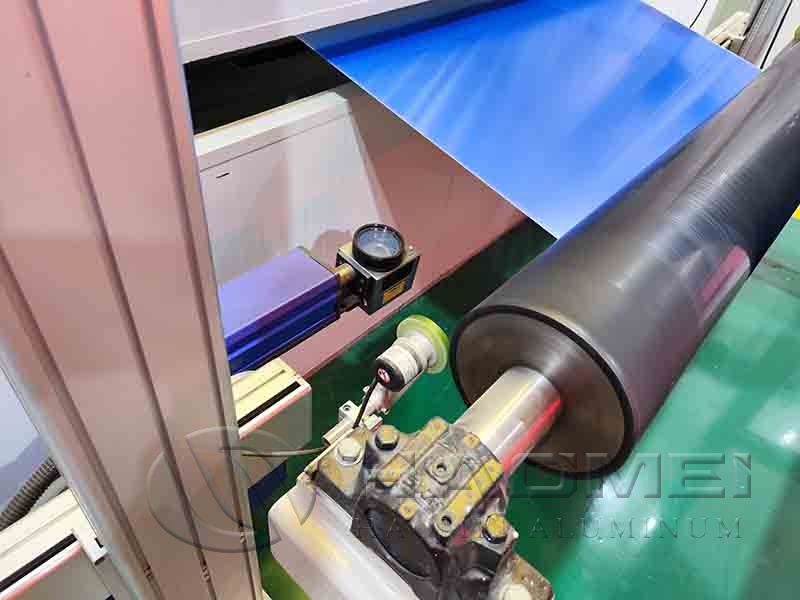
Thermal CTP plate procurement: substrate checks, process controls, standards, cost drivers and acceptance tests for reliable offset press performance at volume.
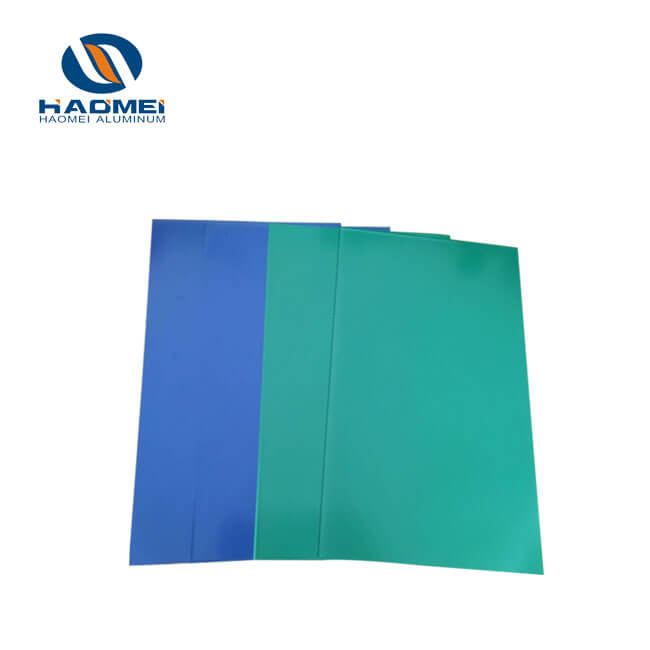
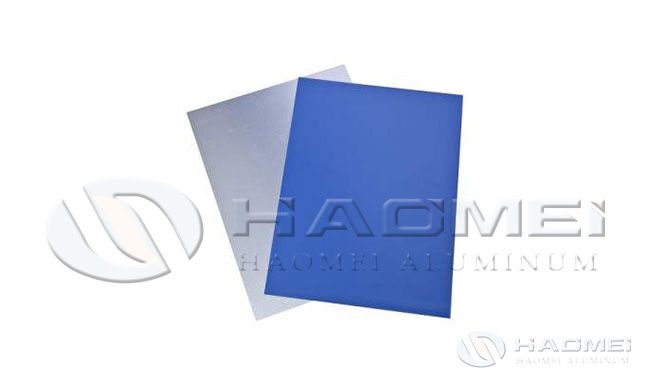
Thermal computer-to-plate products are aluminum-based offset plates imaged by an infrared laser, commonly at 830 nm. Their practical value is predictable dot reproduction, stable press run length, and compatibility with conventional offset workflows.
For volume sourcing, the top concern is not nominal plate thickness alone. It is substrate consistency: alloy chemistry, gauge tolerance, grain structure, anodic layer, coating weight, and packaging must remain controlled across every lot. A plate that images correctly but varies in hydrophilicity or flatness can create scumming, premature wear, registration loss, or inconsistent press start-up.

Specify the Aluminum Substrate Before Comparing Plate Prices
Most thermal offset plates use a thin aluminum substrate, often from commercially pure 1xxx-series material. Suppliers may use different alloy designations and proprietary surface treatments, so do not approve material based on alloy number alone. Request a technical data sheet and lot-specific certificate covering thickness, mechanical properties, surface preparation, and coating performance.
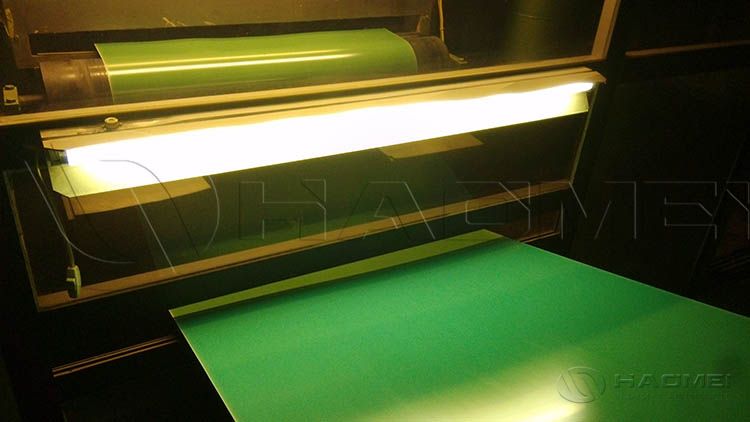
The substrate is typically degreased, electrochemically grained, anodized, sealed or post-treated, then coated with a photosensitive thermal layer. Electrochemical graining creates a controlled roughness that retains fountain solution in non-image areas. Anodizing improves surface hardness, corrosion resistance, and adhesion between aluminum and coating.
| Control point | Why it matters on press | What to request or inspect |
|---|---|---|
| Thickness and tolerance | Affects handling, punching, cylinder fit, and plate bending | Nominal gauge, tolerance, measurement method, and coil-to-plate traceability |
| Flatness and burr condition | Prevents feeder issues, edge damage, and registration variation | Flatness limit, edge inspection standard, packing method |
| Electrochemical grain | Influences water balance and non-image cleanliness | Surface-treatment specification and retained production sample |
| Anodic layer and sealing | Supports corrosion resistance and coating adhesion | Anodizing process control data and adhesion test method |
| Thermal coating | Determines laser sensitivity, resolution, and run length | Compatible wavelength, energy range, developer recommendation, run-length claim |
ASTM B209 covers general requirements for aluminum and aluminum-alloy sheet and plate in the United States. In Europe, EN 485 addresses technical conditions for wrought aluminum flat products. These standards are useful reference points for base-metal quality, but they do not replace a plate-specific agreement covering imaging and press behavior.
When comparing CTP Plates, normalize quotations to the same usable dimensions, plate gauge, coating type, punch requirement, packaging, and Incoterm. A lower per-square-meter figure can become more expensive if it creates higher spoilage, shorter runs, or greater chemistry consumption.
Match Plate Chemistry, Imaging, and Press Conditions
Thermal plates may be conventional developer-processed, low-chemistry, process-free, or UV-capable. These categories should not be treated as interchangeable. The plate setter, processor condition, ink set, fountain solution, press speed, and required run length determine whether a product is suitable.
| Plate route | Operational benefit | Main control risk | Suitable evaluation method |
|---|---|---|---|
| Conventional thermal | Established workflow and broad operating experience | Developer conductivity, replenishment, and processor maintenance | Measure solid density, dot gain, non-image cleanliness, and run length |
| Low-chemistry thermal | Reduced processing chemistry use | Narrower operating window if maintenance is weak | Trial under normal replenishment and wash-up conditions |
| Process-free thermal | Removes processor and related chemistry | Press start-up waste, fountain balance, and ink compatibility | Record start sheets, blanket cleaning frequency, and plate wear |
| UV thermal | Supports UV ink applications where specified | Higher abrasion and chemical resistance demand | Test with actual UV inks, washes, and press speed |
Ask the plate producer to state the applicable imaging wavelength, recommended laser energy, processor chemistry if used, and measured run-length conditions. A run-length statement without ink type, press configuration, and paper or board conditions is not comparable evidence.
For commercial offset production, ISO 12647-2:2013 specifies process control parameters for offset lithographic printing. It does not certify a plate, but it provides a credible framework for press trials: define tone value targets, solids, color control, substrate, ink, and measurement conditions before approving a new lot.
A practical incoming and press-validation sequence is:
Measure thickness at multiple positions and verify cut size, squareness, edge quality, and punch registration.
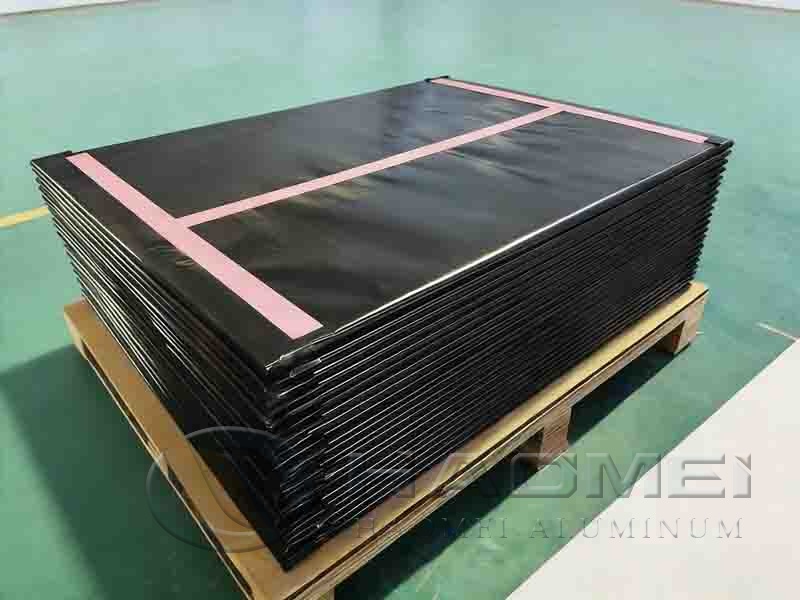
Confirm outer packaging is dry, intact, and marked with lot number, plate size, quantity, production date, and storage instructions.
Image plates at the agreed laser-energy setting on the intended platesetter.
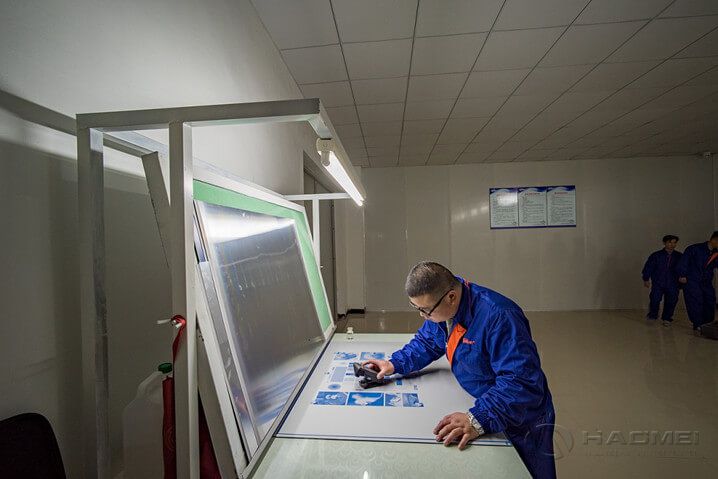
Check minimum readable positive and negative features, image edge sharpness, and coating debris.
Run a controlled press test using the intended inks, fountain solution, substrate, and speed.
Record start-up sheets, scumming, toning, dot stability, blanket contamination, plate wear, and final run length.
For organizations requiring technical support on coating selection and substrate consistency, a qualified Thermal CTP Plates Manufacturer should provide traceable lot documentation and trial parameters rather than only a catalog specification.
Cost, Supply Chain, Compliance, and Acceptance Controls
The delivered cost of an offset plate is driven by aluminum metal, conversion, electrochemical surface treatment, anodizing, thermal coating, slitting and cutting yield, packaging, freight, insurance, duty, and working-capital exposure. Aluminum is often the largest volatile input. For contracts indexed to metal, define the reference clearly, such as the LME aluminum cash price, pricing date, currency conversion method, premium treatment, and conversion charge.
Do not use a generic metal index to settle a finished-plate price without defining scrap yield and conversion. Plate manufacturers purchase aluminum coil or substrate at different regional premiums and may hold inventory at different metal values. A transparent formula separates metal exposure from the conversion and coating component.
| Commercial risk | Contract control |
|---|---|
| Aluminum price volatility | State index, averaging period, premium, currency, and adjustment frequency |
| Coating or chemistry change | Require prior written notification, new technical data, and requalification trial |
| Lot inconsistency | Require unique lot numbers, retained samples, and certificate retention period |
| Moisture or transport damage | Specify vapor-barrier packaging, pallet protection, stacking limits, and claim window |
| Supply interruption | Approve an alternate qualified source and maintain defined safety stock |
Storage has direct quality consequences. Keep cartons sealed until use, store in a clean and dry area, avoid rapid temperature changes that can cause condensation, and follow the producer's stated shelf-life conditions. Damaged corners and compressed pallets should be quarantined because handling defects can appear as mounting or feeder failures.
Compliance review should cover the destination market and chemical disclosures. In the European Union, Regulation (EC) No 1907/2006, REACH, requires communication when articles contain candidate-list substances above applicable thresholds. Packaging obligations can also apply under local waste and recycling rules. Request safety data sheets for developer, gum, cleaners, and other process chemicals; plates themselves are articles, while associated chemicals may have different labeling and transport requirements.
Use this lot-release checklist before production:
Certificate matches the purchase specification and delivered lot number.
Plate dimensions, gauge, and punch pattern meet the approved drawing.
Packaging is dry, undamaged, and within agreed storage life.
Imaging test meets approved feature and exposure targets.
Press trial meets agreed waste, cleanliness, and run-length thresholds.
Any coating, substrate, or packaging change is documented and requalified.
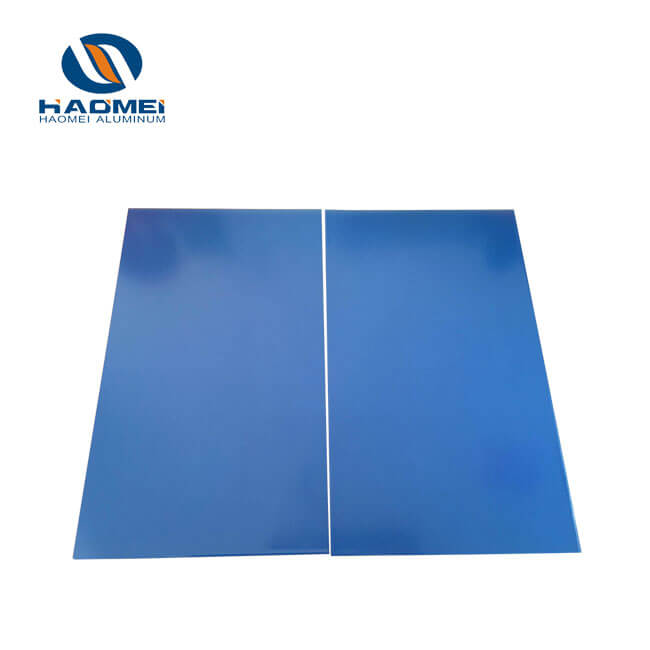
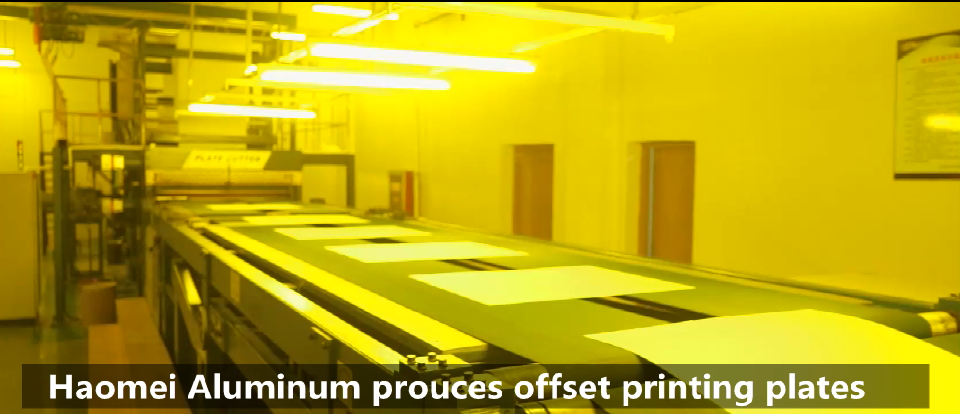
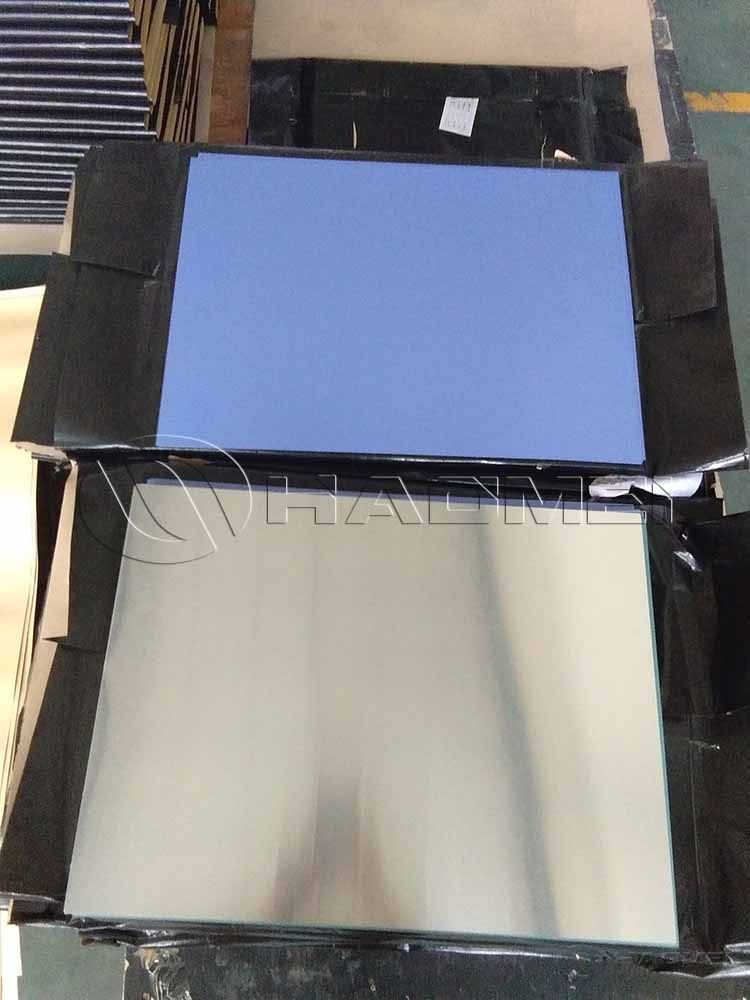
- Which is Better: CTP or CTCP Printing TechnologyApr 15, 2024
Thermal, violet ctp and ctcp plate making technology each has its own advantages and disadvantages. Which is b...
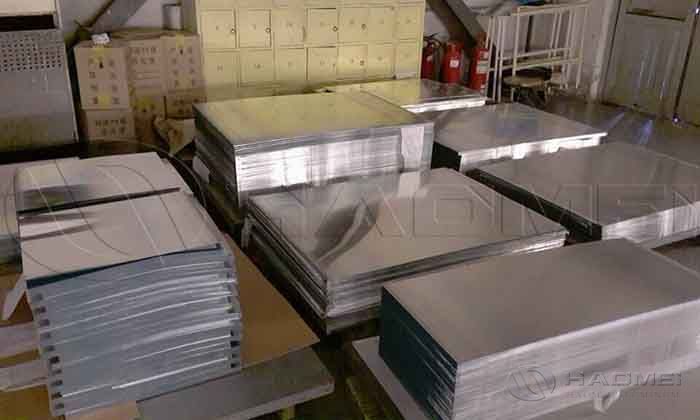
- Offset Printing: CTP Plates VS PS Plate Oct 18, 2021
PS plate for offset printing and CTP plates are usually for offset printing. They both choose 1050 1060 alumin...
- Three Main Types of CTP PlatesMar 25, 2020
The CTP offset printing plates has three kinds: thermal CTP plate, silveralogen plates and photopolymer plates...
- CTP Digital Printing Requirements on Plate BaseDec 29, 2022
The CTP digital printing has brought many benefits to printing. The main types of CTP plate are thermal CTP pl...
- Two Types of Digital Offset Printing PlatesAug 02, 2023
Offset printing plates are mainly divided into two types, namely PS plates and CTP plates. What are their deve...
Inquiry
TABLE OF Contents

Haomei Aluminum CO., LTD.
Tel/Whatsapp: +86-15978414719
Email: sale@alumhm.com
Website: https://www.alumhm.com
Xin'an Industrial Assemble Region,Luoyang,Henan Province,China
Office Add: 1103, No.14 Waihuan Road, CBD, Zhengzhou, China