Blue Hydrophilic Fin Stock VS Gold Hydrophilic Fin Stock
Hydrophilic aluminum fin stock is a core material in the manufacturing of heat exchangers for air conditioners, heat pumps, and refrigeration equipment; the blue and gold varieties are the ones most commonly encountered. When selecting materials, procurem
Hydrophilic aluminum fin stock is a core material in the manufacturing of heat exchangers for air conditioners, heat pumps, and refrigeration equipment; the blue and gold varieties are the ones most commonly encountered. When selecting materials, procurement professionals and engineers often wonder: beyond the color difference, what are the actual distinctions regarding coating performance, corrosion resistance, and suitability for specific operating conditions?
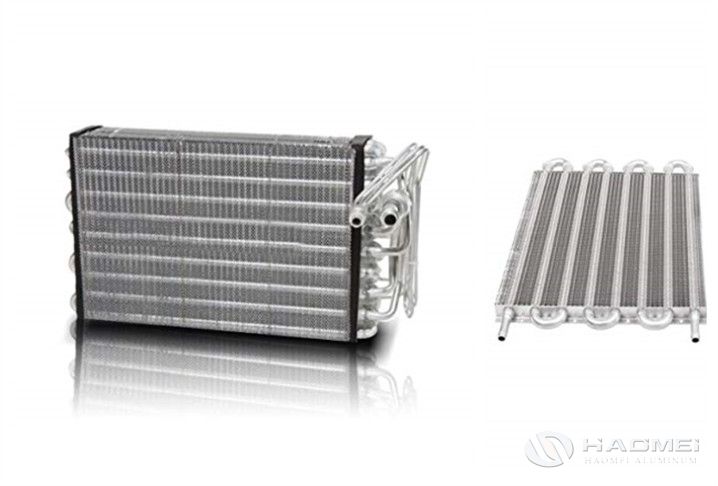
Simply put, hydrophilic aluminum foil consists of an aluminum foil substrate coated with an organic hydrophilic layer. When condensate forms a uniform film on the fin surface rather than beading up and blocking airflow, air resistance decreases and heat exchange efficiency improves; simultaneously, issues such as dripping and mold growth are reduced. The difference between the blue and gold versions stems from their respective coating formulations and additive systems.
Blue Hydrophilic Aluminum Foil
Blue hydrophilic aluminum foil is the standard type with the highest market volume and widest adoption. Its coating is primarily composed of a blue water-based organic resin; it features a mature production process and offers an excellent balance of performance and cost.
- Stable hydrophilic performance: It exhibits a low initial water contact angle and excellent condensate spreading, meeting standard operating requirements for residential split-system air conditioners and general heat pump units.
- Thin coating: Low thermal resistance ensures minimal impact on the heat transfer coefficient.
- Cost-effective: Significant cost advantages make it suitable for mass production and the mainstream choice for residential air conditioning.
However, it has distinct limitations: standard blue coatings offer only moderate resistance to salt spray, acids, and alkalis. In environments characterized by high coastal salinity, chemical plant emissions, or humid/corrosive conditions, long-term use is more likely to result in coating aging, peeling, or blackening, as well as a faster decline in hydrophilic performance. It is best suited for indoor use or standard urban environments.
Gold Hydrophilic Aluminum Foil
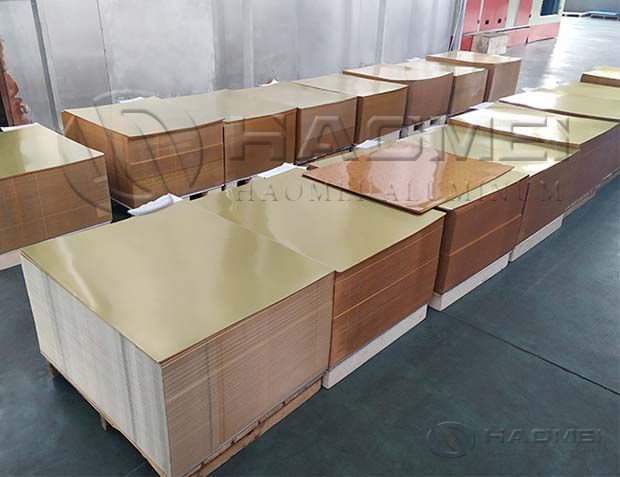
Gold hydrophilic aluminum foil is often referred to in the industry as "anti-corrosion" hydrophilic aluminum foil. Its gold color derives from the addition of chromium-based or chromium-free corrosion-resistant pigment systems (environmentally friendly, chromium-free gold coatings are currently the mainstream choice).
- Corrosion resistance is vastly improved; salt spray test performance significantly surpasses that of standard blue hydrophilic foil, offering superior resistance to marine salt spray and industrial exhaust gases.
- Retains excellent hydrophilic properties, allowing condensate to form a smooth film, thereby balancing corrosion resistance with heat transfer efficiency.
- Features stronger coating adhesion; the coating resists peeling even under high-temperature drying or prolonged thermal cycling.
The relative downside is higher material cost compared to blue hydrophilic aluminum foil. It is typically used in highly corrosive environments, such as air conditioners in coastal regions, commercial heat pumps, cold-chain heat exchangers, and outdoor air-source heat pump units.
Key Comparison and Selection Recommendations
1. For standard residential air conditioners, units in dry inland cities, or indoor units where budget is the priority: Blue hydrophilic aluminum foil is sufficient; it offers ample market supply and stable lead times.
2. For coastal salt-spray zones, island projects, chemical plant areas, or outdoor units exposed to long-term high humidity: Gold hydrophilic aluminum foil is the preferred choice. It reduces the risk of heat exchanger failure due to corrosion and lowers maintenance and replacement costs, making it more cost-effective over the product's entire lifecycle.
Many customers mistakenly assume that "gold" automatically implies "better performance," but this is not always the case. Both of them choose 8011 aluminium. If the operating environment poses no corrosion risk, choosing gold foil results in unnecessary cost; conversely, using standard blue hydrophilic foil in a highly corrosive environment may work fine for short-term heat transfer, but fin corrosion will likely occur within 1–2 years, leading to a rapid decline in unit energy efficiency.
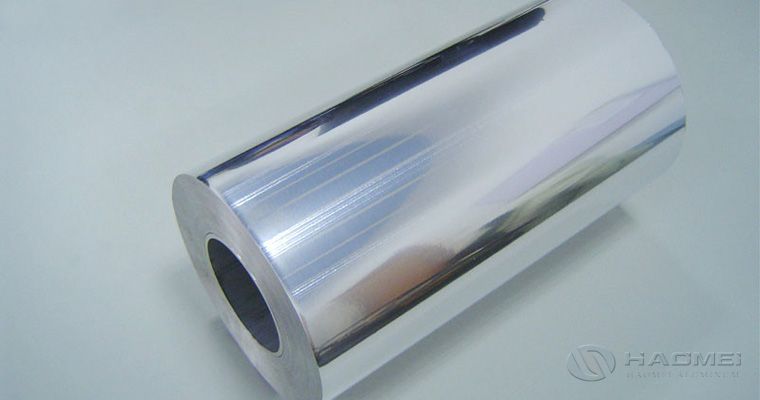
- Different Types of Foil for CookingMar 30, 2022
The cooking aluminum foil is mainly used for outdoor grilling,oven-cooking and baking. It has three types: sta...
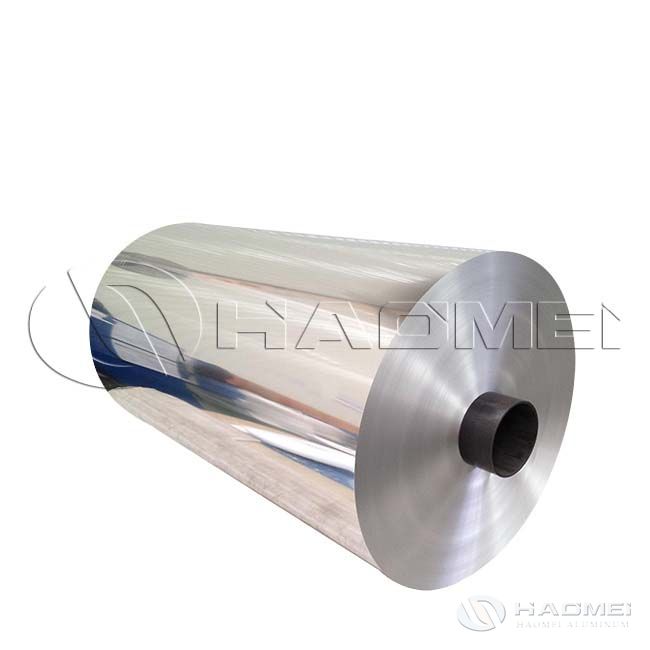
- How to Use Aluminum Foil for CookingJan 24, 2022
The aluminum cooking foil can be used for grilling, oven cooking, pan lining, household cleaning, foil tray,et...
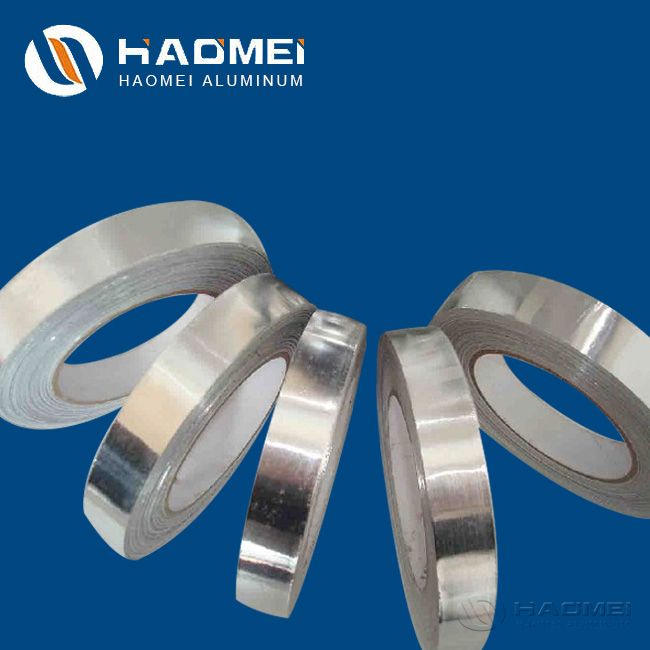
- How to Buy Foil TapeMay 15, 2020
You need to have a knowledge of its specifications and uses to help you find a right manufacturer of aluminum...
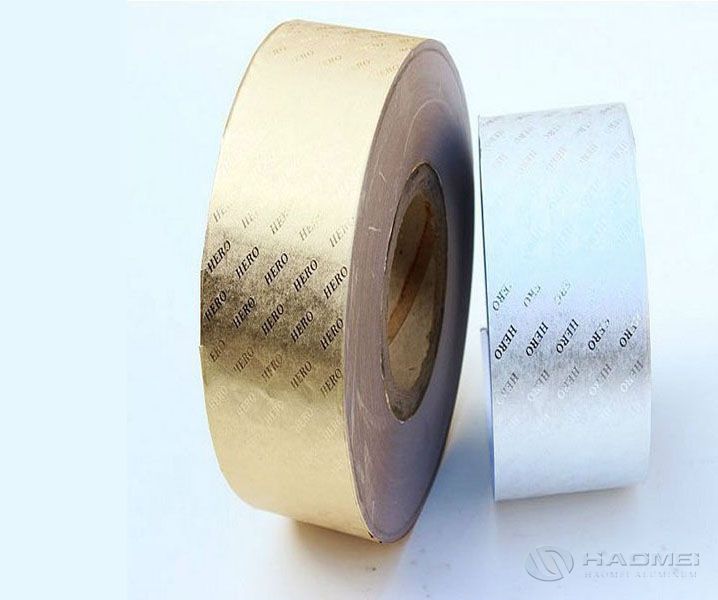
- What Is the Role of Aluminum Foil in Cigarette PackagingJan 24, 2024
The production history of aluminum foil can be traced back to the early 20th century. Before 1900, people coul...
- How to Prevent Pinholes in Aluminum FoilsDec 08, 2020
The pinholes in aluminum foils is a main defect of light gauge foil. How to prevent the pinholes of foil packa...
Inquiry
TABLE OF Contents

Haomei Aluminum CO., LTD.
Tel/Whatsapp: +86-15978414719
Email: sale@alumhm.com
Website: https://www.alumhm.com
Xin'an Industrial Assemble Region,Luoyang,Henan Province,China
Office Add: 1103, No.14 Waihuan Road, CBD, Zhengzhou, China