5052/5083 Aluminum Sheet for Energy Storage Battery Enclosure
Among numerous material options, 5052 and 5083 aluminum alloy sheets have become the mainstream choices for energy storage battery enclosures due to their excellent corrosion resistance, lightweight, and high strength.Both 5052 and 5083 belong to the 5-se
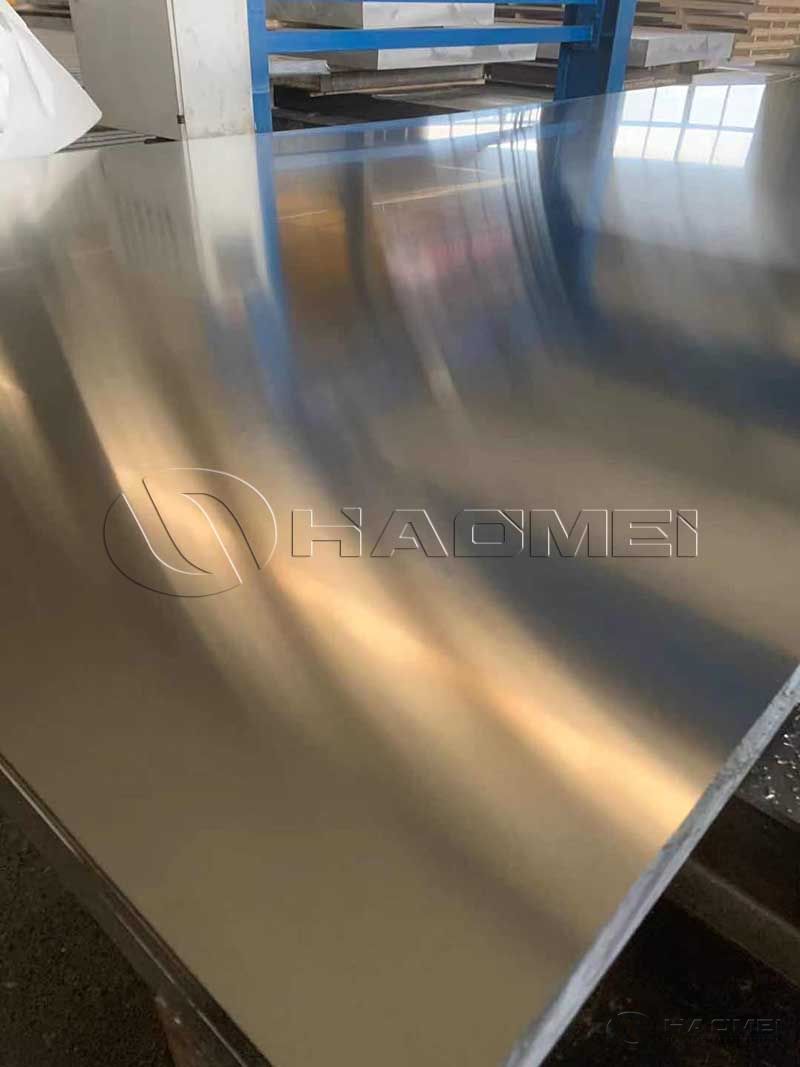
Among numerous material options, 5052 and 5083 aluminum alloy sheets have become the mainstream choices for energy storage battery enclosures due to their excellent corrosion resistance, lightweight, and high strength.
Both 5052 and 5083 belong to the 5-series aluminum-magnesium alloys, but their core difference lies in their magnesium content: 5052 has a lower magnesium content (2.2-2.8%), emphasizing shapeability and formability; 5083 has a higher magnesium content (4.0-4.9%) and contains a certain amount of manganese (0.4-1.0%), emphasizing high strength and weather resistance. This determines their different applications in battery enclosures.

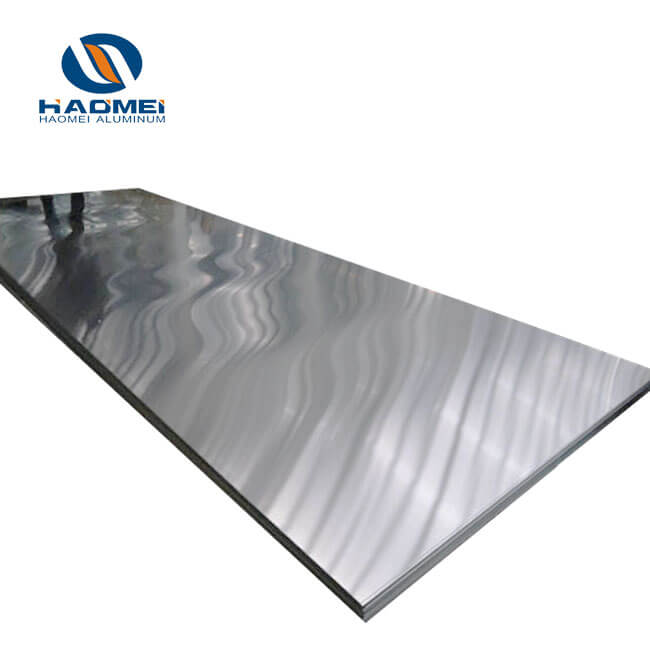
5052 aluminium sheet
1. Its uses
The core advantages of 5052 aluminum sheet are its excellent plasticity, strong corrosion resistance, ease of cold working such as stamping and bending, and resistance to cracking after processing. It is ideal for parts of energy storage battery enclosures that require high formability and moderate load-bearing capacity, making it an ideal material for the enclosure's "protective layer."
Battery casing outer shell (side panels, cover): This is the primary application scenario for 5052 aluminum sheet
Internal protective partitions
Junction box casing, heat sink
2. Main tempers
The common tempers are 5052 H32 and H112 tempers, each suited to different processing requirements. Aluminium alloy 5052 h32 is the preferred state for shells and separators, meeting the needs of cold working such as bending and stamping while ensuring structural stability and resistance to deformation.
3. Specific Specifications
Thickness: Core specifications range from 1.0-6.0mm, with significant differences in thickness across different parts: Shell side panels and covers commonly use 1.5-3.0mm, balancing strength and lightweight; internal separators commonly use 1.0-2.0mm, balancing thinness and cushioning; junction box shells and heat sinks commonly use 1.0-1.5mm, prioritizing lightweight and formability.
Width and Length: Standard width is 1250-2500mm, and length is 2500-6000mm. Custom cuts are available to fit the container dimensions. Large energy storage containers can use plates with a width of 2000-2500mm and a length of 4000-6000mm to reduce weld seams and improve sealing.
Other Parameters: Tensile strength 170-305MPa, yield strength ≥65MPa, elongation ≥15%. Surface treatments such as anodizing and spraying can be applied to further enhance corrosion resistance and appearance.
5083 aluminum sheet
1. Its uses
5083 aluminum alloy is a high-strength variety among 5-series aluminum alloys. With a high magnesium content and added manganese, it not only boasts superior strength compared to 5052 but also exhibits excellent seawater resistance, low-temperature performance, and impact resistance.
Its welded joints exhibit high strength, making it suitable for load-bearing components in energy storage battery enclosures that require high strength and weather resistance, particularly for energy storage devices in harsh environments such as outdoors and at sea.
Battery enclosure base and main frame beam: These are the core application scenarios for 5083 sheet metal.
Outdoor energy storage enclosure shell (special scenarios)
Liquid cooling structural components
2. Main tempers
5083 sheet metal is commonly used in energy storage battery enclosures in four states: O, H111, H112, and H32. Different states correspond to different load-bearing requirements.
Aluminium 5083 h111 has slightly lower strength than H32 (tensile strength 290-295MPa), but better processability, making it suitable for load-bearing components that do not require extremely high strength, such as auxiliary frames and bases for small energy storage enclosures.
3. Specifications
Thickness: The core specification is 3.0-12.0mm, with significant differences in different parts: Bases and main frame beams commonly use 5.0-12.0mm to ensure load-bearing capacity; outdoor enclosure shells commonly use 3.0-5.0mm to balance strength and lightweight; liquid-cooled structural components commonly use 3.0-6.0mm to balance thermal conductivity and structural strength.
Width and Length: Standard width is 1250-2500mm, and length is 2500-5000mm. For large energy storage container bases, plates with a width of 2000-2500mm, a length of 4000-5000mm, and a thickness of 8.0-12.0mm can be used to meet the load-bearing requirements of stacked installations.
Other Parameters: Hardness 75-96 (varies depending on condition), elongation 9-15%, excellent corrosion resistance, able to withstand salt spray, acid and alkali media erosion, adaptable to harsh outdoor environments without complex surface treatment. For further enhanced protection, anodizing treatment can be performed.
- Why Choose Aluminium Sheet for PCBSep 27, 2020
Aluminum sheet for PCB is of cheap price and good heat dissiation. The alu sheet for pcb is an idela choice fo...
- What Are Alloys of Aircraft Aluminum PlatesAug 14, 2023
The aircraft aluminum plate is widely used on the aerospace field due to its light weight, high strength, high...
- Aluminum Plate Thickness for Curtain WallJul 21, 2020
How to choose aluminum plate thickness for curtain wall? There are different requirements for different parts....
- Why Aluminium Drilling Entry Sheet for PCB Is So PopularApr 07, 2020
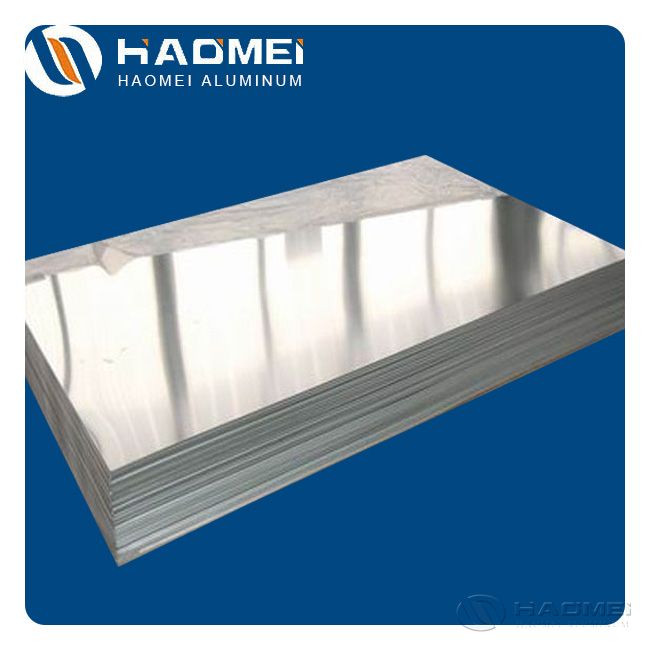
Aluminum drilling entry sheet is widely used as the base plate of PCB board. The reason of the popularity of a...
- Aluminium Plate Thickness for Insulation MaterialJul 23, 2020
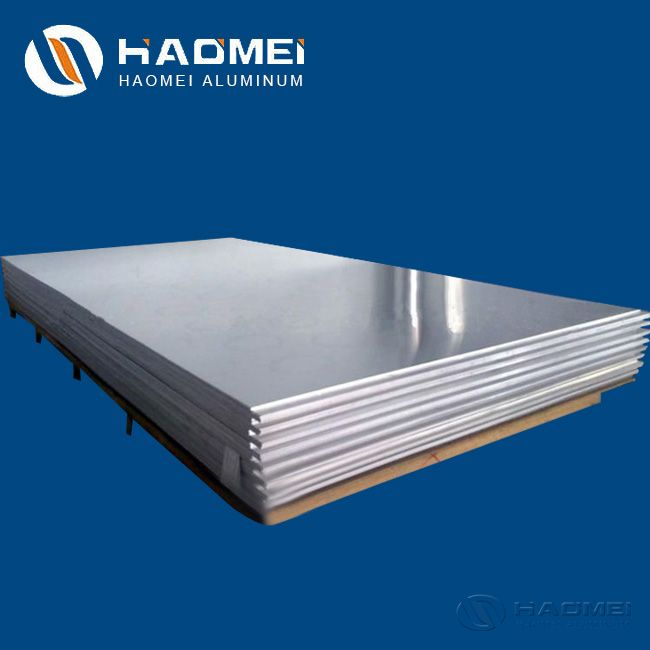
The aluminium heat insulation sheet is a popular type in recent years. Its common thickness is 0.8 and 0.5 mm...
Inquiry
TABLE OF Contents

Haomei Aluminum CO., LTD.
Tel/Whatsapp: +86-15978414719
Email: sale@alumhm.com
Website: https://www.alumhm.com
Xin'an Industrial Assemble Region,Luoyang,Henan Province,China
Office Add: 1103, No.14 Waihuan Road, CBD, Zhengzhou, China