3mm Aluminium Checker Plate
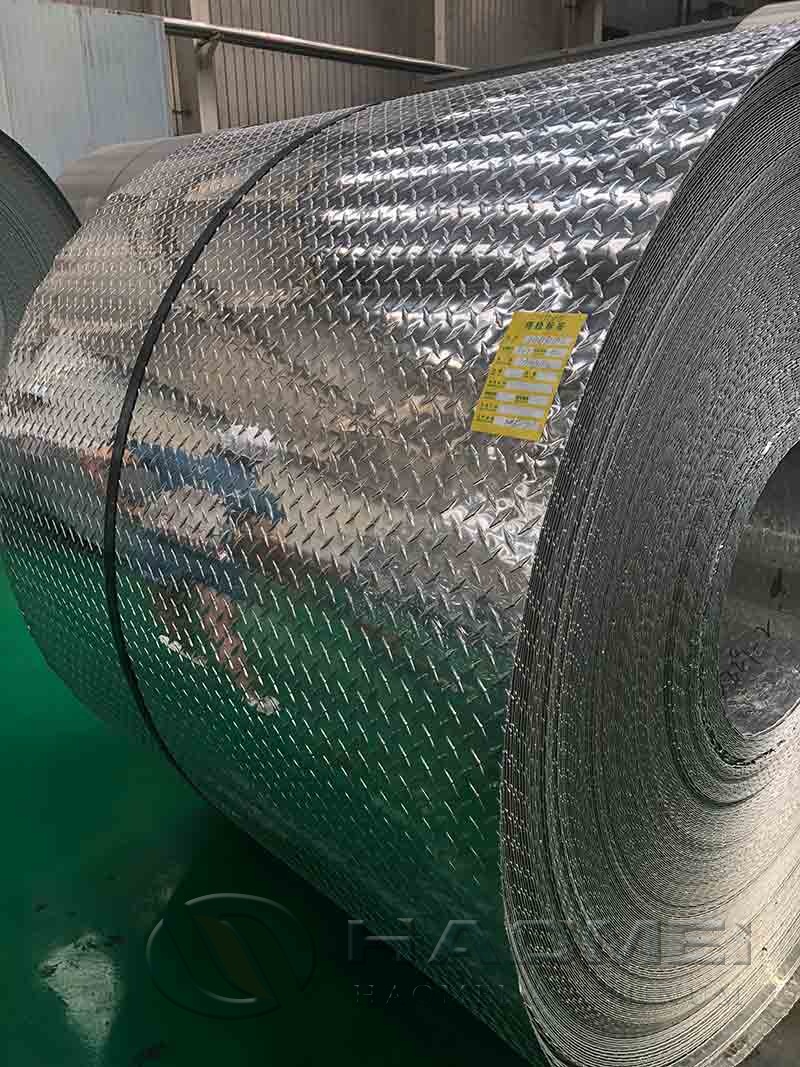
Practical overview of 3mm aluminium checker plate: alloy choice, real thickness, anti-slip patterns, standards, pricing, lead time, and inspection checks.
3mm Aluminium Checker Plate is widely used for vehicle floors, ramps, stairs, platforms, wall protection, and toolboxes because it combines low weight, corrosion resistance, and slip resistance. For industrial procurement, the most common mistake is focusing only on nominal thickness while ignoring alloy, pattern height, flatness, and usable load.
This article focuses on one top concern: actual performance at 3 mm thickness. In practice, whether a plate works safely depends not only on the base thickness, but also on alloy temper, support spacing, pattern type, and surface quality.

What 3 mm really means in checker plate purchasing
In the market, 3 mm may refer to:
- base thickness excluding pattern, or
- overall thickness including raised pattern.
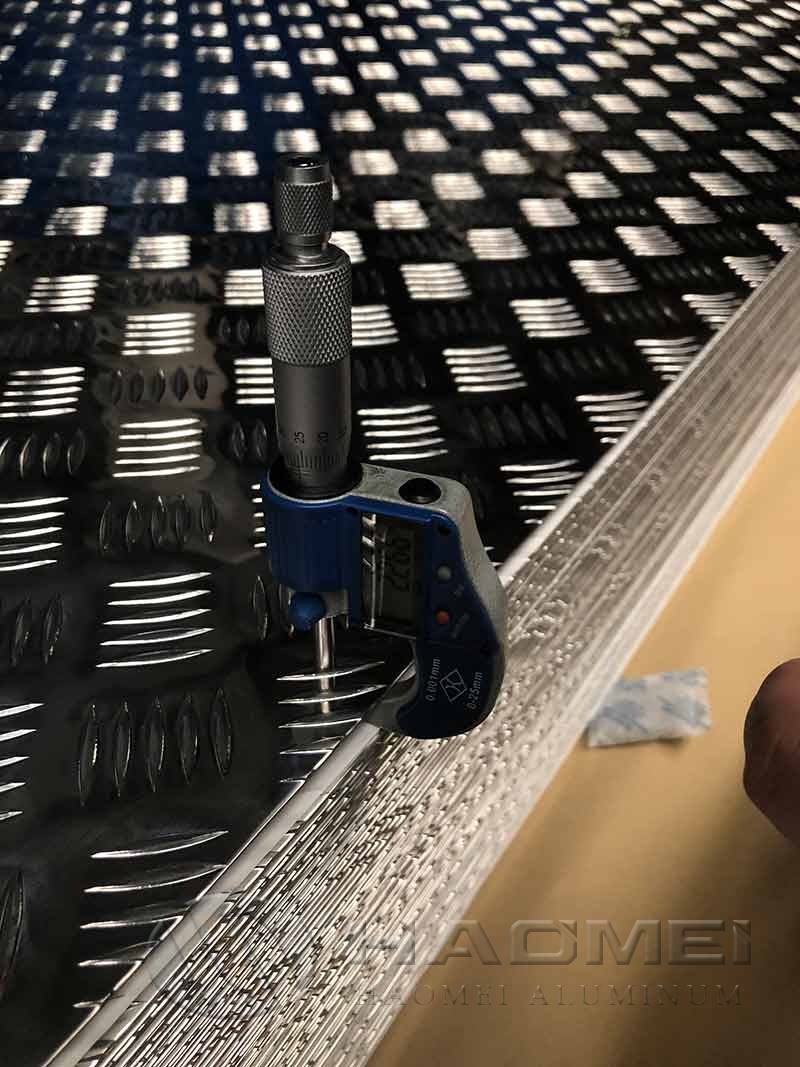
This difference affects weight, strength, and fit-up during fabrication. Always ask the supplier to confirm:
- Base thickness.
- Overall thickness.
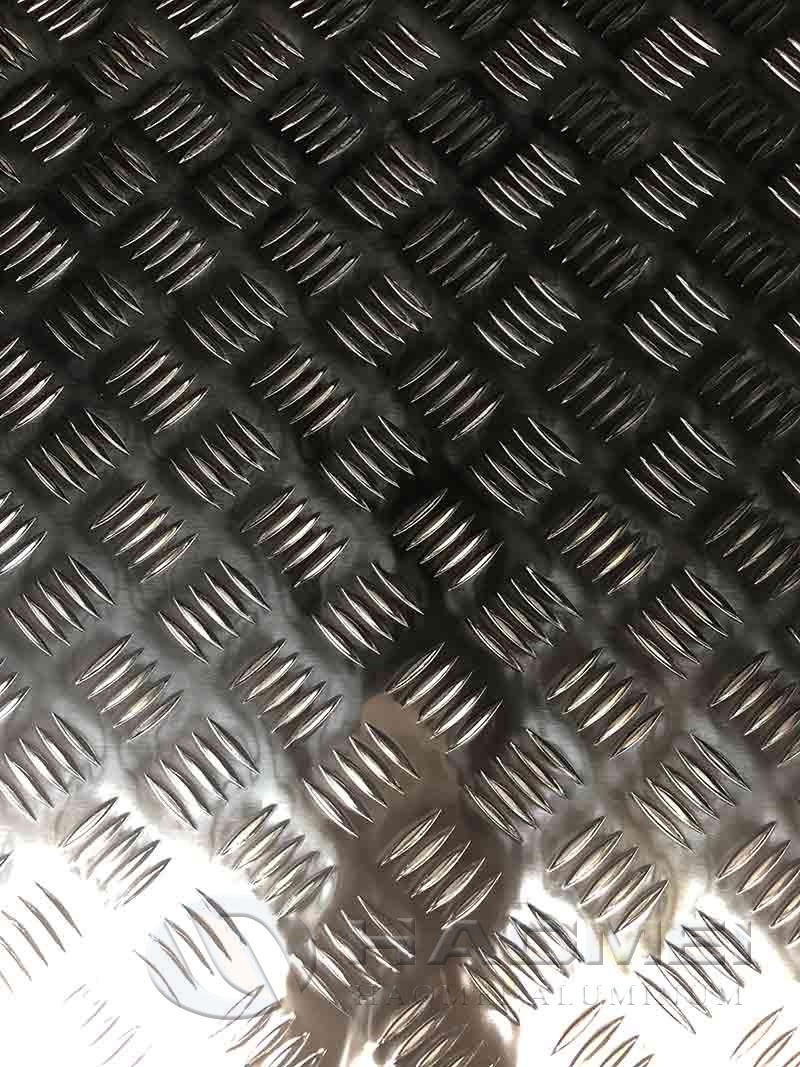
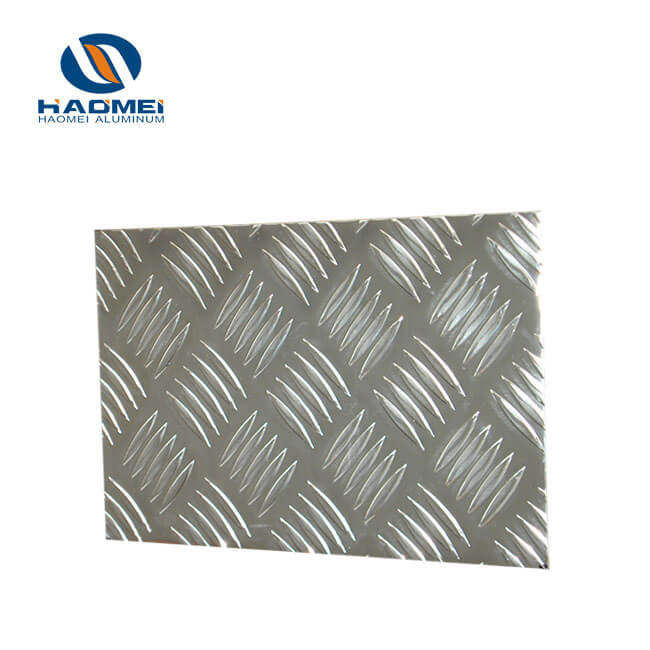
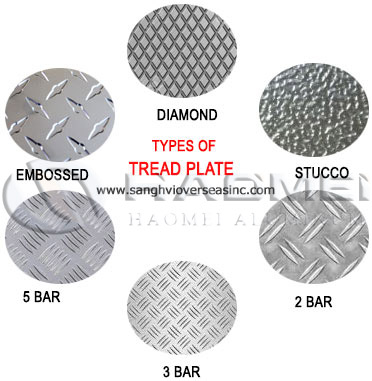
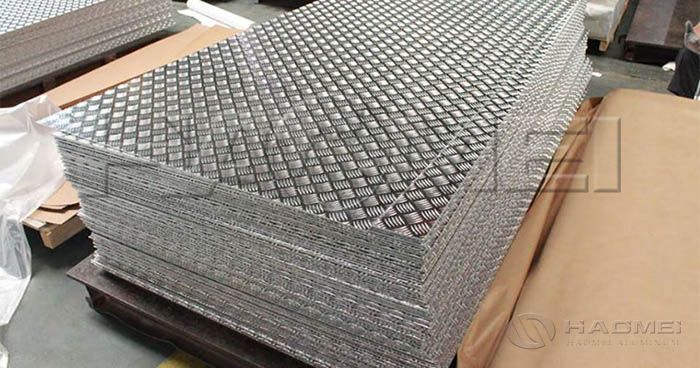
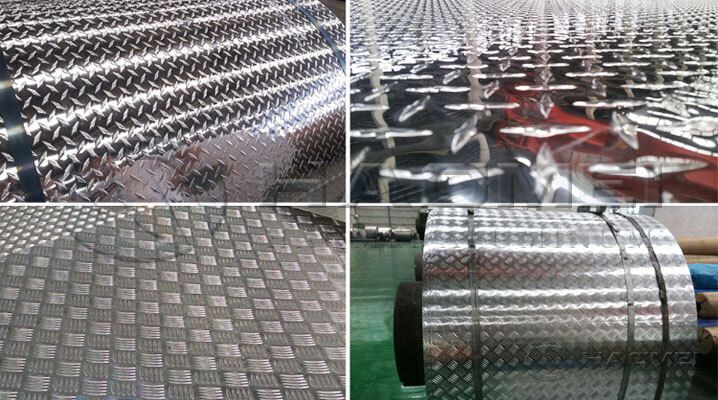
- Pattern type: 1 bar, 2 bar, 3 bar, 5 bar, or diamond.
- Tolerance standard used.
- Whether thickness is measured before or after embossing.
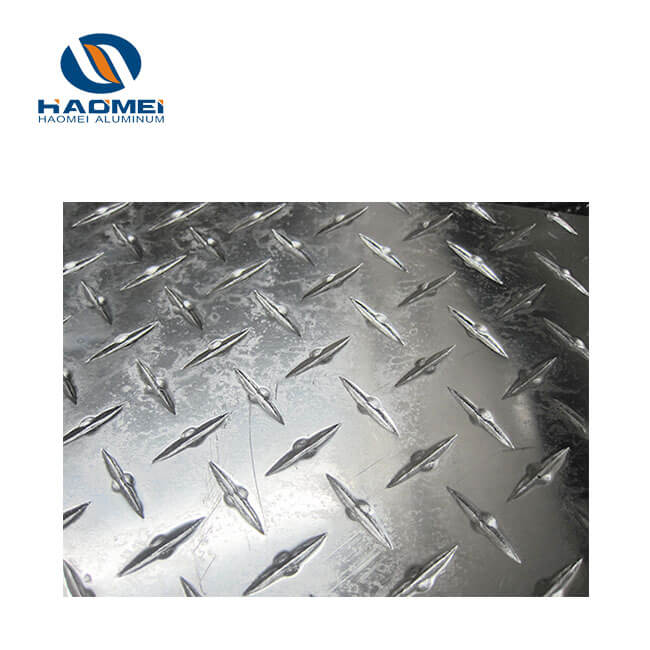
For anti-slip flooring, many users compare Aluminum Tread Plate options by pattern design first, but load and fabrication behavior are usually more important than appearance.
Common alloys and what they change
For checker plate, the most common alloys are 3003, 5052, and sometimes 5754 in some markets.
| Alloy | Typical temper | Main benefit | Limitation | Typical use |
|---|---|---|---|---|
| 3003 | H22/H24 | Good formability, economical | Lower strength than 5xxx alloys | Wall cladding, light-duty flooring |
| 5052 | H32/H34 | Better corrosion resistance and strength | Higher price | Marine, vehicle flooring, ramps |
| 5754 | H111/H114 | Strong corrosion resistance, good industrial use | Availability depends on region | Transport, offshore, heavy-duty flooring |
If the application includes outdoor exposure, salt, cleaning chemicals, or repeated foot traffic, 5052 or 5754 usually provides better service life than 3003.
Property, process, and specification checks
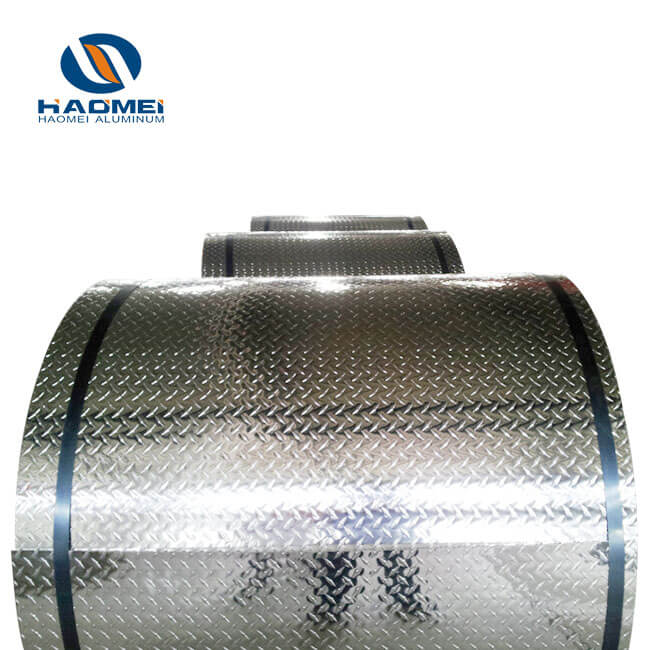
Checker plate is generally made by rolling aluminium plate and then embossing or pattern rolling the surface. Process control matters because poor embossing can cause:
- inconsistent pattern height,
- coil set or waviness,
- local thinning,
- scratches that become visible after installation.
Typical property and procurement checklist
Use this checklist before placing a production order:
- Confirm alloy and temper.
- Confirm base thickness and overall thickness.
- Confirm width, length, and cutting tolerance.
- Confirm pattern style and direction.
- Confirm protective film requirement.
- Confirm surface standard: mill finish or brighter decorative finish.
- Confirm packing for sea freight or inland transport.
- Request MTC with chemical composition and mechanical properties.
- Request applicable standard reference.
- Request weight calculation basis.
Standards and compliance points
Requirements vary by destination and application, but common references include:
- ASTM B209 for aluminium and aluminium-alloy sheet and plate.
- EN 485 series for aluminium sheet, strip, and plate in Europe.
- EN 573 for alloy designation.
- EN 13501 may be relevant for reaction-to-fire classification in building systems, depending on the full assembly.
- RoHS or REACH declarations may be requested for some industrial and building supply chains.
For slip resistance, there is no single universal checker plate value accepted for every installation. If a project specifies anti-slip performance, ask whether the requirement is based on:
- pattern geometry only,
- a coating system,
- or a tested flooring assembly.
Do not assume embossed pattern alone will satisfy every site safety code.
Weight and handling reference
Aluminium density is about 2.70 g/cm3. A plain 3.0 mm aluminium plate weighs about 8.1 kg/m2 before pattern effect. Checker pattern adds some mass, but quoted weights vary by manufacturer and pattern geometry.
| Item | Approximate value |
|---|---|
| Plain 3.0 mm aluminium plate | 8.1 kg/m2 |
| Checker plate actual weight | Usually slightly higher than plain plate |
| Main freight impact | Width, length, pallet height, total tonnage |
When comparing offers, make sure all quotes use the same basis. A low per-ton price can become less competitive if the actual per-sheet weight is understated or if dimensional tolerance is loose.
Price, supply chain, and sourcing risk control
The cost of 3 mm patterned aluminium plate typically includes:
- LME aluminium component or regional ingot basis,
- alloying and rolling conversion premium,
- embossing or pattern process cost,
- packaging,
- inland transport,
- export charges and sea freight.
Because aluminium pricing is cyclical, quotations often change with metal market movement, energy costs, and regional capacity utilization. In recent years, volatility has also been affected by freight disruption, sanctions, and energy-intensive smelting constraints in some regions.
What changes price the most
| Cost driver | Impact on price | What to check |
|---|---|---|
| Alloy | Medium to high | 3003 vs 5052 vs 5754 |
| Thickness tolerance | Medium | Tight tolerance raises processing control needs |
| Pattern type | Low to medium | Decorative vs industrial pattern |
| Surface protection film | Low | Useful for visible applications |
| Order quantity | Medium | Mill MOQ affects unit cost |
| Fabrication service | Medium | Cutting, bending, punching, palletizing |
| Freight | High in export trade | Port, container loading efficiency |
A practical sourcing step is to compare not just unit price, but landed compliant cost:
- plate price,
- documents,
- inspection,
- scrap risk from tolerance mismatch,
- lead time,
- claims handling responsiveness.
For patterned flooring projects, some users also compare Aluminum Diamond Tread Plate when they need a different appearance or regional standard preference.
Fast inspection on receipt
Use this short receiving checklist:
- Measure thickness at several non-pattern locations.
- Verify sheet length, width, and squareness.
- Check pattern uniformity and direction.
- Inspect for edge cracks, dents, and transport rub marks.
- Confirm pallet labels match MTC and packing list.
- Recheck quantity by piece count and theoretical weight.
If the plate will be bent or welded, run a trial first. Some tempers and embossed surfaces behave differently during fabrication, especially near tight bend radii.
For most industrial flooring and transport applications, the best purchasing result comes from treating 3 mm checker plate as a performance product, not a simple commodity. The right alloy, true thickness definition, and inspection plan usually matter more than the lowest headline quote.
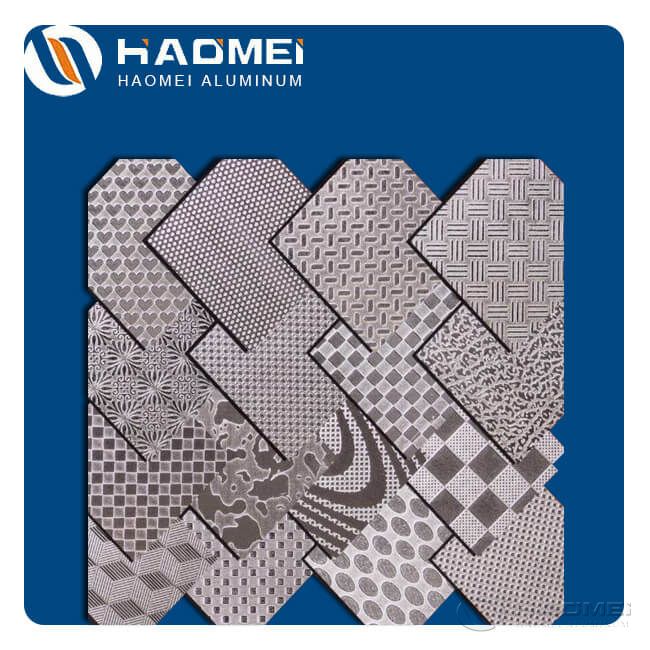
- Wholesale Aluminium Checker Plate StairsAug 26, 2020
The wholesale aluminium checker plate is widely used for stairs, steps and floors because of excellent anti-sl...
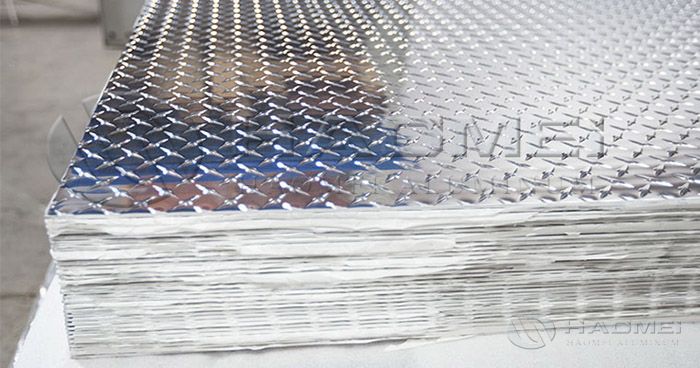
- 4x8 Sheet of 1/4 inch Aluminum Diamond PlateDec 27, 2022
For some special places that are suspended in the air, the thickness is recommened not to less than 1/4 inch....
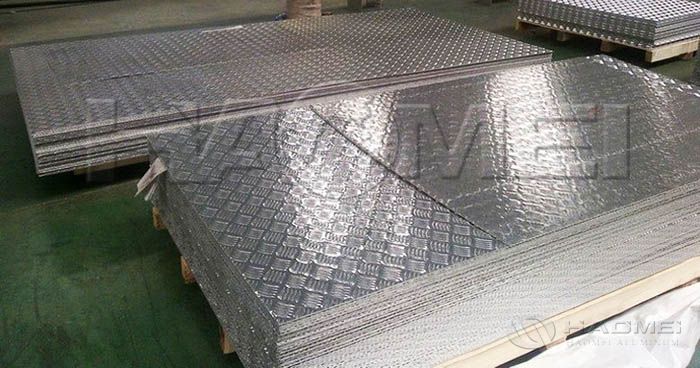
- How to Choose Aluminium Checker Plate 6mmFeb 19, 2020
The aluminum checker plate 6 mm is usually about 6.2-6.3 mm because of the pattern thickness. So if you like t...
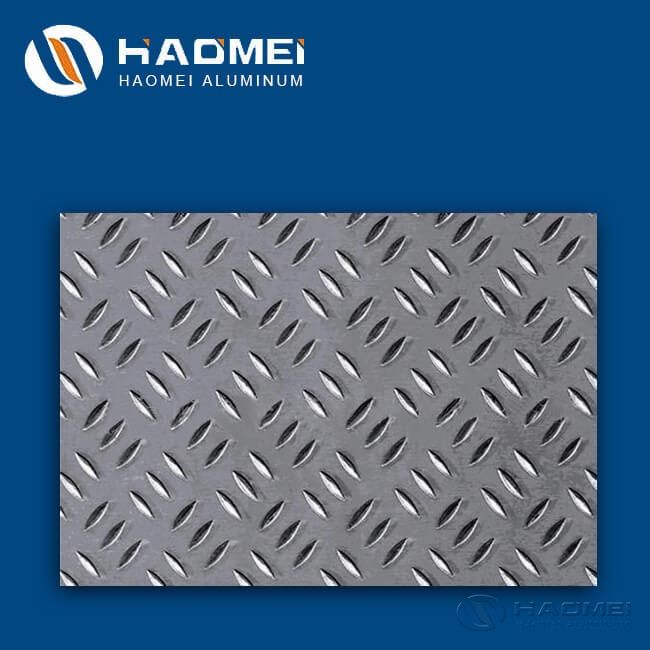
- Aluminum Checker Plate Thickness and AlloysJul 21, 2020
The commonly used aluminum checker plate is 2mm and 6 mm aluminum checker plate. 3003 aluminum diamond plate i...

- How Much Do You Know About Embossed Aluminium SheetNov 20, 2019
The embossed aluminum sheet is a main kind of aluminum sheets with various patterns, widely used in decoration...
Inquiry
TABLE OF Contents

Haomei Aluminum CO., LTD.
Tel/Whatsapp: +86-15978414719
Email: sale@alumhm.com
Website: https://www.alumhm.com
Xin'an Industrial Assemble Region,Luoyang,Henan Province,China
Office Add: 1103, No.14 Waihuan Road, CBD, Zhengzhou, China