1050 Aluminum Sheet
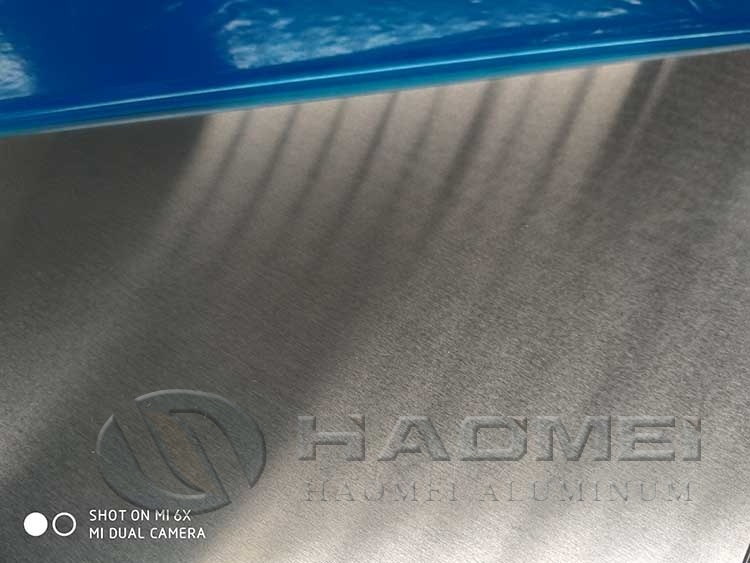
Compare 1050, 1060, 1070, and 1100 in the 1000 series for conductivity, formability, corrosion resistance, and costchoose the best grade for bulk purchasing.
When sourcing 1000 series aluminum alloys in bulk, the right grade choice usually comes down to purity-driven performance: electrical/thermal conductivity, forming behavior, surface finish, and price stability. For most buyers, 1050/1060 are the volume workhorses, while 1070 targets higher conductivity and 1100 is a go-to for forming and chemical environments. If you buy by container or long-term contract, aligning grade to use-case is the fastest way to cut scrap, rework, and over-spec cost.

Quick comparison for decision-making
Bulk buyers often compare these four grades because they are all non-heat-treatable, highly corrosion-resistant, and easy to fabricateyet they differ in purity and typical application fit.
| Grade | Typical purity (approx.) | Best at | Common bulk applications | What to watch in purchasing |
|---|---|---|---|---|
| 1050 | ~99.5% Al | Cost-performance balance | General sheet metal, reflectors, signage, insulation skins | Confirm surface quality class if cosmetic finish matters |
| 1060 | ~99.6% Al | Slightly higher conductivity than 1050 | Busbars/light electrical, heat spreaders, cookware bases | Specify conductivity requirement (IACS %) if critical |
| 1070 | ~99.7% Al | High conductivity | Electrical conductors, transformer parts, specialized foils/sheets | Typically higher cost; ensure you truly need the extra purity |
| 1100 | ~99.0%+ (commercially pure) | Formability + chemical resistance | Chemical equipment, deep-drawn parts, nameplates | Strength is lowest; select temper carefully to avoid dents |
If you need a predictable, high-volume spec that most mills roll routinely, 1050 or 1060 is usually the smoothest procurement path. If the end product is conductivity-limited, 1070 can reduce resistive lossbut only if the whole design benefits from it.
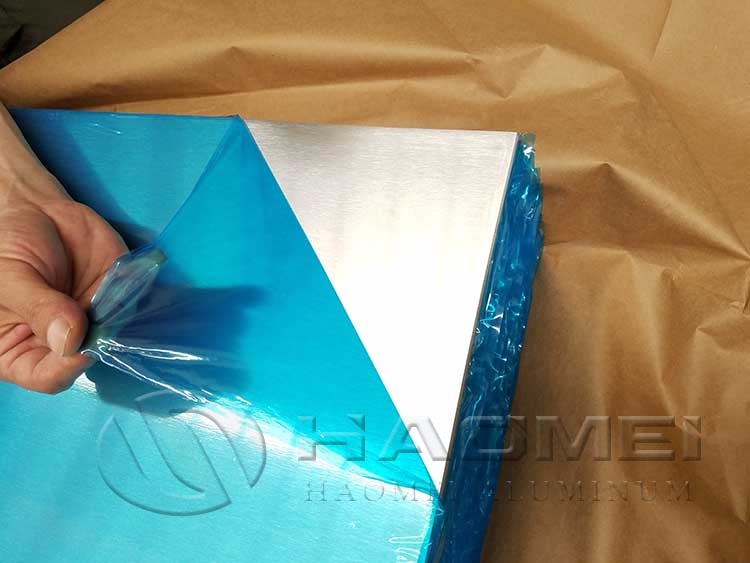
How to choose by application (fast rules)
If your main KPI is forming yield (deep drawing, spinning, tight radii), 1100 is often the safest choice because it tends to be extremely ductile in softer tempers. Buyers supplying cookware, housings, and drawn shells often standardize on 1100 to reduce cracking and orange peelespecially when surface appearance is visible.
If your KPI is good enough conductivity + better price, 1050/1060 typically win. They are widely stocked and commonly offered in multiple tempers, making them procurement-friendly for repetitive orders like reflective panels, general fabrication, HVAC skins, and light electrical plates.
If your KPI is high conductivity (and you can justify the premium), 1070 is the decision. Its usually selected when conductivity is the limiting factor rather than just nice to have, such as conductor components and certain transformer-related parts.
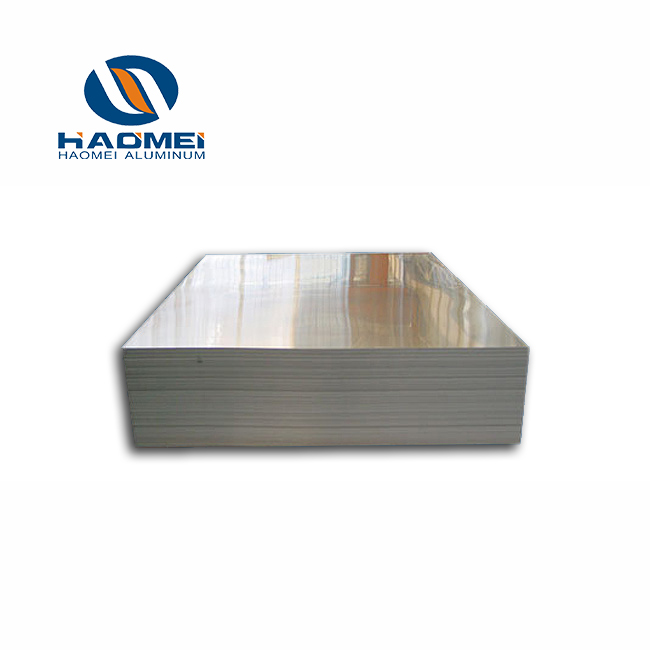
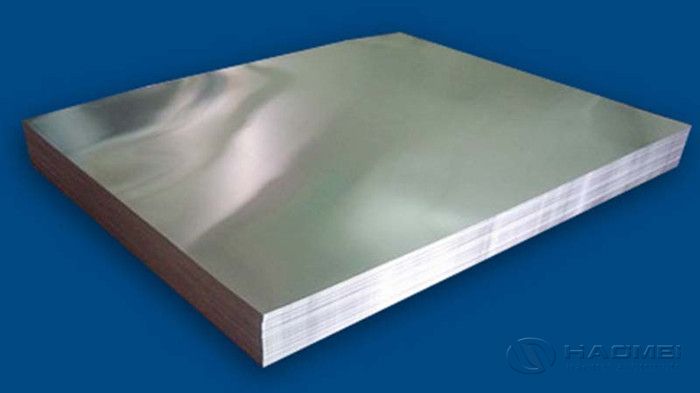
To shorten sourcing time for a common high-run specification, many buyers standardize on a single grade and temper. For example, 1050 Pure Aluminum Sheet is often chosen as a baseline grade when the goal is stable pricing, consistent forming behavior, and wide availability.
Key procurement factors that change total cost (not just price/ton)
Bulk buyers usually see the biggest cost swings from specification gaps rather than alloy choice alone.
First, define temper and flatness up front. Soft tempers form beautifully but dent easily in transit; harder tempers ship better but may crack during forming. If you dont specify temper clearly, mills may offer closest available, which can create downstream variability.
Second, specify surface requirements: protective film, brush finish expectations, and allowable minor defects. For visible applications (signage, reflectors, panels), surface class and packaging method can matter more than the difference between 1050 and 1060.
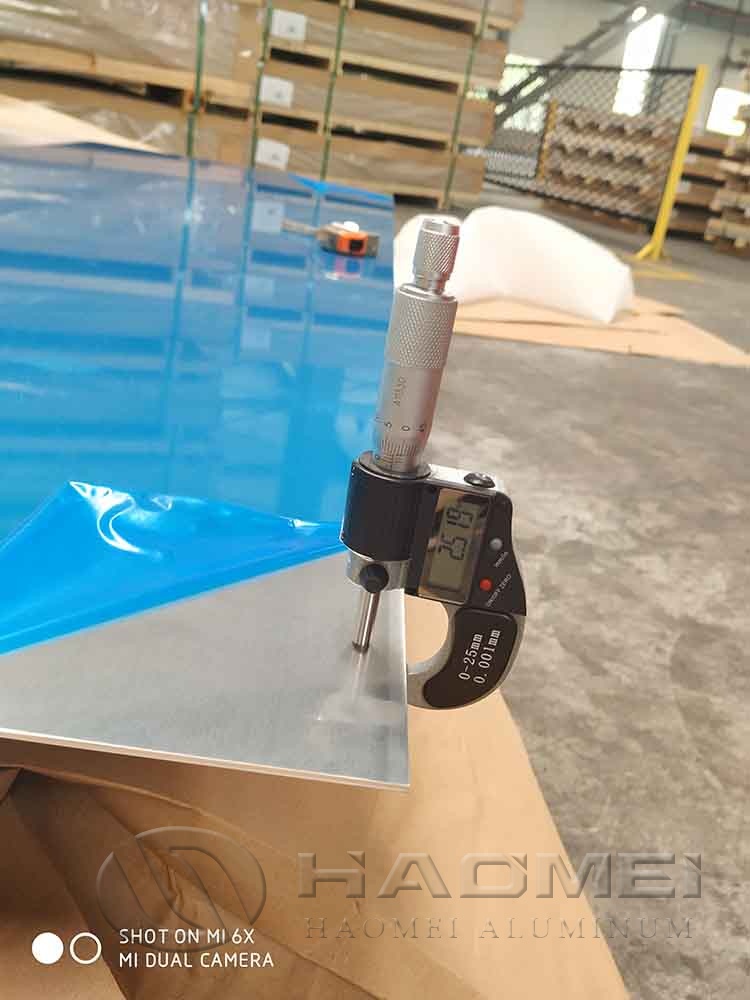
Third, align thickness tolerance and coil/plate geometry to your process. Stamping lines may prefer tighter thickness control; laser cutting may care more about flatness; anodizing lines may require a consistent surface. These details affect yield and rework rates significantly.
Finally, confirm compliance needs early (RoHS/REACH, material certs, lot traceability). With container-volume orders, paperwork and lot control can become the hidden bottleneck.
1050 vs 1060: when the small upgrade matters
On paper, 1050 and 1060 can look similar. In practice, 1060 may be preferred when you want a modest bump in conductivity or slightly more consistent performance in heat-transfer parts.
If you are buying for general fabrication where forming and corrosion resistance dominate, 1050 often provides the best cost-to-output ratio. If your customer spec references conductivity or if the part is thermally sensitive, it can be worth standardizing on 1060.
1100: a smart choice for forming, but dont overestimate strength
1100 is an excellent problem solver when parts fail forming trials on other grades. It also performs well in chemical exposure environments. However, it is not the grade to choose when dent resistance, stiffness, or higher mechanical strength is required.
If your product is handled frequently or must stay rigid (panels that can oil-can, covers that must stay flat), consider temper strategy, thickness adjustment, or design reinforcementbecause strength is the common reason 1100 projects run into quality issues.
Some Tips
For most bulk purchasing programs, start with 1050 (general purpose) or 1060 (conductivity/thermal bias). Move to 1100 if forming yield and chemical resistance are driving rejects. Choose 1070 only when high conductivity is a measurable requirement that improves system performance enough to offset the higher alloy cost.
If you share your target thickness, temper, end-use process (stamping/drawing/laser), and monthly tonnage, it becomes straightforward to narrow the best grade and purchasing spec to reduce variability across shipments.

- Aluminium Plate Cut to Size for SaleJul 12, 2023
There are two main types of aluminum plat cut to size: anodizing aluminum sheet and brushed aluminium sheet. W...

- Different Types of Marine Aluminum for BoatJun 10, 2025
- What Are 2024 3105 Aluminum Sheet PropertiesAug 26, 2025
The aerospace industry places stringent demands on material strength, lightweight, and reliability. 2024 alumi...
- What Are The General Hardness and tempers of 5052 Aluminum SheetFeb 06, 2020
The common tempers of 5052 aluminum sheet have H32, H34, H112,O,etc. Correspondingly, the harness is also diff...
- What Are The Advantages of ACP SheetNov 29, 2023
ACP(aluminum composite sheet) is a new material that uses aluminum honeycomb core or foamed aluminum or pre pa...
Inquiry
TABLE OF Contents

Haomei Aluminum CO., LTD.
Tel/Whatsapp: +86-15978414719
Email: sale@alumhm.com
Website: https://www.alumhm.com
Xin'an Industrial Assemble Region,Luoyang,Henan Province,China
Office Add: 1103, No.14 Waihuan Road, CBD, Zhengzhou, China