What Is The Aluminium Coil Coating And Pickling Treatment
Learn what aluminium coil coating and pickling treatment are, how they improve corrosion resistance and adhesion, and their key applications in industry.
Aluminium coils are widely used in construction, transportation, home appliances, packaging, electronics, and industrial manufacturing. Before aluminium can be made into roofing sheets, wall panels, appliance parts, or decorative products, its surface usually requires treatment.
Two important processes are aluminium coil coating and pickling treatment. Both help improve the performance and appearance of aluminium, but they have different purposes. Pickling prepares and cleans the metal surface, while coil coating applies a protective and decorative finish.

Understanding these processes can help buyers choose the right aluminium materials for their projects.
What Is Aluminium Coil Coating?
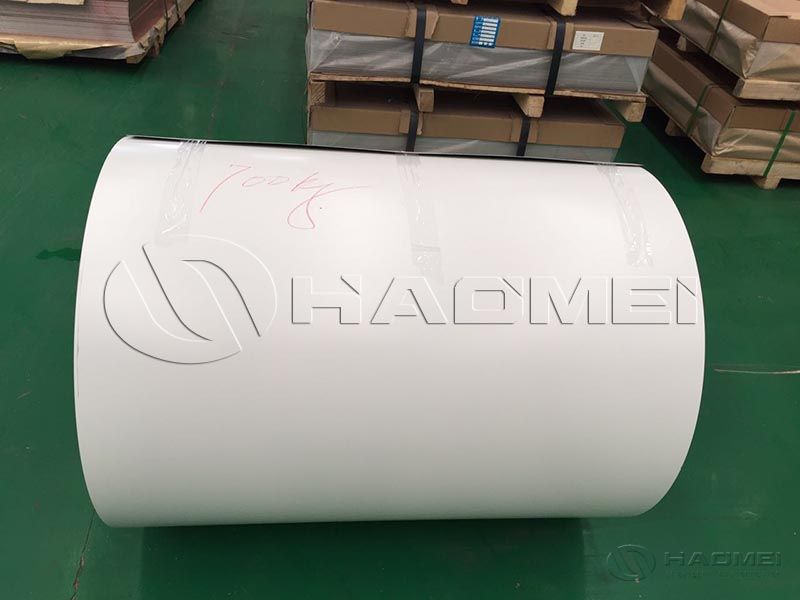
Aluminium coil coating is a continuous process that applies paint or other protective coatings to aluminium while it is still in coil form. The coil passes through a production line where it is cleaned, chemically treated, painted, baked, cooled, and rewound.
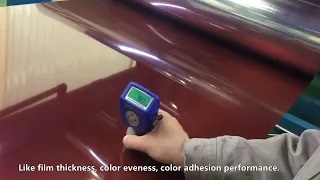
This method is more efficient than painting individual sheets after cutting or fabrication. It also provides a more uniform coating thickness, consistent color, and better production efficiency.
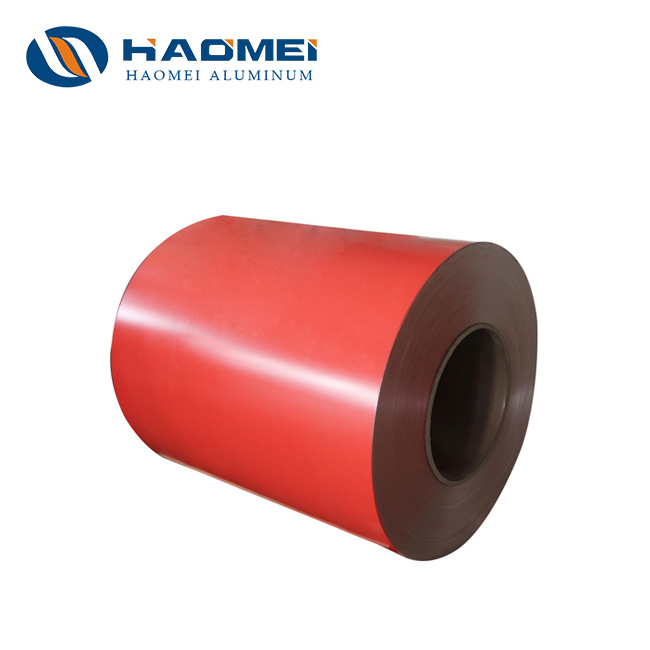
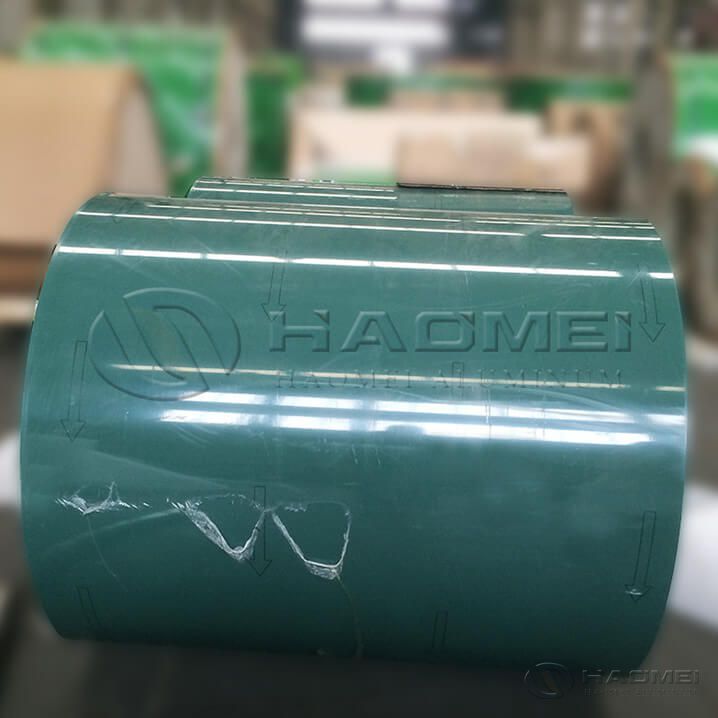
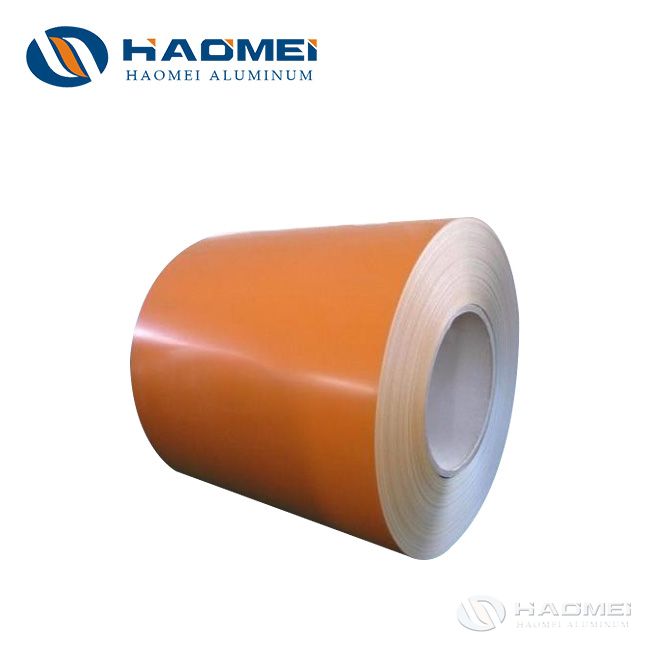
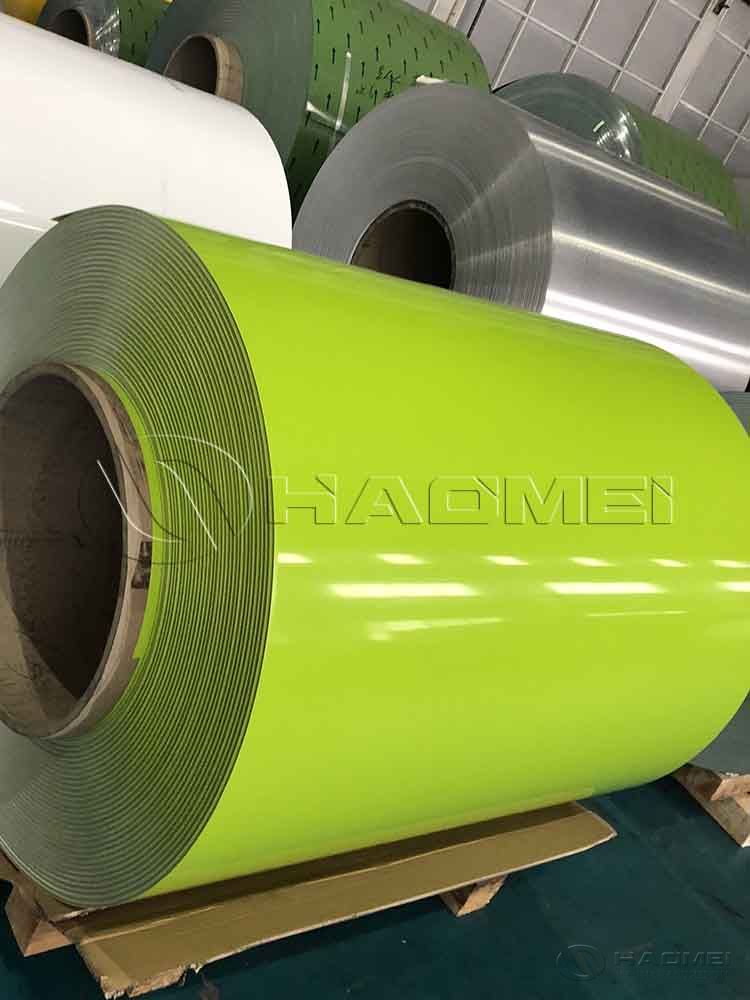
Coated aluminium coils are commonly called pre-painted aluminium coils or color-coated coils. They are available in many colors, gloss levels, textures, and coating types.
The main purposes of aluminium coil coating include:
Improving corrosion resistance
Providing decorative colors and patterns
Increasing UV and weather resistance
Preventing surface scratches and stains
Improving durability in outdoor environments
Reducing the need for painting after fabrication
For many projects, the aluminium sheet coil price depends not only on the aluminium grade and thickness, but also on the coating system, paint thickness, color, surface finish, and order quantity.
How Does Aluminium Coil Coating Work?
A typical coil coating line includes several main stages.
1. Uncoiling
The raw aluminium coil is placed on an uncoiler and fed continuously into the processing line. The aluminium may have a mill finish or may already have received basic surface treatment.
2. Cleaning and Degreasing
The surface is cleaned to remove rolling oil, dust, fingerprints, grease, and other contaminants. This is a critical step because dirt or oil can prevent the coating from bonding properly to the aluminium.
Cleaning may involve alkaline solutions, water rinsing, brushing, and chemical degreasing.
3. Chemical Pretreatment
After cleaning, the aluminium surface receives a chemical conversion treatment. This treatment improves paint adhesion and helps prevent corrosion underneath the coating.
Modern pretreatments are often chrome-free and may use zirconium, titanium, or silane-based chemicals. The pretreatment layer is very thin, but it plays an important role in the final durability of the coated aluminium.
4. Primer Coating
A primer layer is applied before the final topcoat. The primer improves adhesion between the aluminium surface and the paint layer. It can also provide additional corrosion resistance.
For some products, the back side of the coil may receive a protective backing coat rather than a full decorative coating.
5. Topcoat Application and Curing
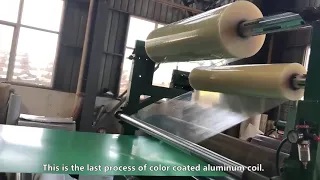
The topcoat gives the aluminium its final color, gloss, texture, and weather resistance. After paint application, the coil passes through a curing oven. Heat allows the coating to harden and form a strong, durable film.
After cooling, the finished coil is inspected and rewound for shipping.
Common Types of Aluminium Coil Coatings
Different coating systems are used depending on the application and environmental conditions.
PE Coating
PE, or polyester coating, is economical and widely used. It offers good appearance, color variety, and processing performance. PE-coated aluminium is suitable for indoor decoration, ceiling panels, signs, appliance panels, and general construction uses.
PVDF Coating
PVDF coating has excellent weather resistance, UV resistance, and color retention. It is commonly used in exterior architectural applications such as curtain walls, roofing, cladding, and building facades.
PVDF-coated aluminium is more expensive than PE-coated aluminium, but it provides a longer service life in harsh outdoor environments.
SMP Coating
Silicone-modified polyester, or SMP, provides better weather resistance than standard polyester. It is often used for roofing sheets, wall panels, and industrial buildings.
Functional Coatings
Some applications require special surface functions. These may include anti-fingerprint coatings, heat-reflective coatings, anti-bacterial coatings, easy-clean coatings, or insulating coatings.
What Is Aluminium Pickling Treatment?
Aluminium pickling treatment is a chemical cleaning process used to remove oxide layers, stains, rolling residues, and surface impurities from aluminium.
Aluminium naturally forms an oxide layer when exposed to air. While this oxide layer offers some protection, it may interfere with later processes such as painting, coating, anodizing, bonding, or welding. Pickling helps create a cleaner and more uniform surface.
The main purposes of pickling include:
Removing oxides and surface stains
Eliminating oil and grease residues
Cleaning rolling marks and contaminants
Improving coating adhesion
Creating a more uniform surface
Preparing aluminium for further treatment
Depending on the alloy and required surface condition, pickling may use acid solutions, alkaline solutions, or a combination of both.
Typical Pickling Process
The pickling process normally includes several steps.
Firstly, the aluminium is degreased to remove oil and other organic contaminants. Next, it may undergo alkaline etching or acid cleaning to remove oxides and surface impurities.
After etching, a desmutting process may be used. “Smut” refers to residues left behind by certain alloying elements after chemical treatment. Desmutting removes these residues and improves surface uniformity.
Finally, the aluminium is thoroughly rinsed and dried. It can then move to coating, anodizing, chemical conversion treatment, or another finishing process.
Pickling vs. Coil Coating
Pickling and coil coating are related but different processes.
Pickling is mainly a surface preparation method. It cleans and activates the aluminium surface so that later treatments can adhere properly.
Coil coating is a finishing process. It applies paint or functional coatings to protect the aluminium and give it a desired appearance.
In many modern production lines, mild pickling or etching is included as part of the cleaning and pretreatment stage before coating. This integrated process helps ensure excellent adhesion and long-term corrosion resistance.
Applications of Coated Aluminium Coils
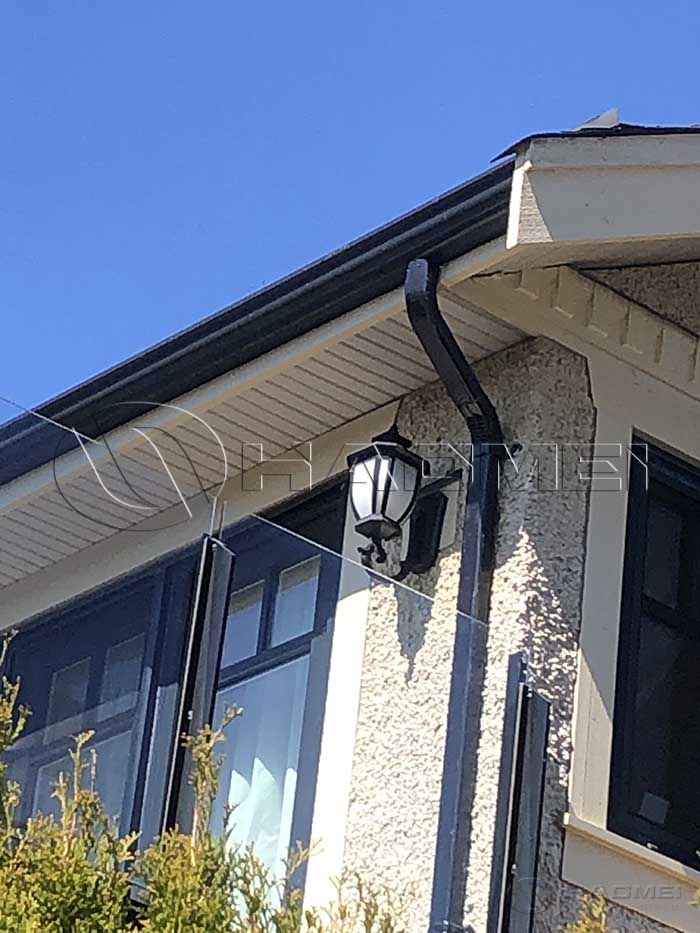
A color coated aluminium coil is widely used in roofing, wall cladding, ceilings, aluminium composite panels, gutters, shutters, refrigerator panels, air conditioner housings, transportation equipment, packaging materials, and decorative products.
The correct coating type should be selected according to the application. For example, PE coating may be sufficient for indoor products, while PVDF coating is usually preferred for long-term outdoor exposure.
- Where to Find A Painted Aluminum Coil SupplierNov 19, 2020
As a painted aluminum coil supplier, Haomei has complete sizes and rich colors of prepainted aluminum coil for...
- A Highlight of Aluminum Flashing RollJul 19, 2023
The aluminum flashing roll a versatile product used in roofing areas. The two common specifications are 24inch...
- What Are Aluminum Coil Stock ColorsApr 17, 2025
White, blue, gray and black are the common aluminum coil stock colors. For more color choice, you need customi...
- Aluminum Gutter Coil For SaleApr 25, 2021
Haomei Aluminum has rich colors of aluminum gutter coil for North America customers including white, black, gr...
- Painted Aluminum SheetsSep 07, 2026
Painted aluminum sheets explained: compare PE and PVDF coatings, durability, corrosion control, thickness, col...
Inquiry
TABLE OF Contents

Haomei Aluminum CO., LTD.
Tel/Whatsapp: +86-15978414719
Email: sale@alumhm.com
Website: https://www.alumhm.com
Xin'an Industrial Assemble Region,Luoyang,Henan Province,China
Office Add: 1103, No.14 Waihuan Road, CBD, Zhengzhou, China