Painted Aluminum Sheets
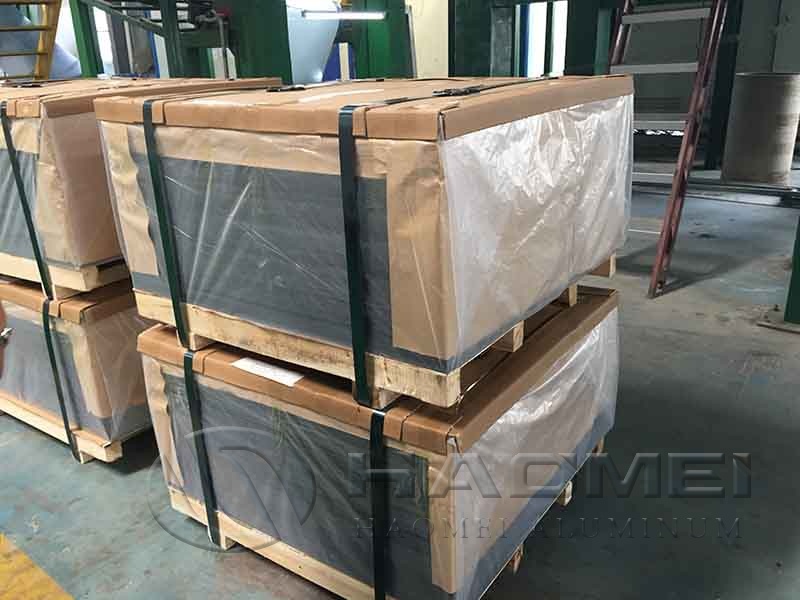
Painted aluminum sheets explained: compare PE and PVDF coatings, durability, corrosion control, thickness, color matching, and ordering details.
Painted aluminum sheets are widely discussed for roofing, cladding, gutters, signage, trailers, appliances, and decorative fabrication. Recent English-language questions across search engines and social Q&A communities often focus less on aluminum itself and more on the coating system, expected outdoor life, scratch resistance, and the practical details that affect finished appearance.

The five questions below reflect recurring current concerns from project planners, fabricators, installers, and first-time material purchasers. The answers focus on specifications that can be checked before production rather than relying only on color samples.
1. Is PE or PVDF better for painted aluminum sheets?
The better coating depends primarily on exposure conditions and the visual life expected from the project. PE, or polyester coating, is a practical option for indoor panels, interior trim, appliance parts, packaging, and exterior applications with moderate exposure. It offers good color selection, forming performance, and an economical finish.
PVDF, commonly based on fluoropolymer resin, is designed for demanding outdoor environments. It generally provides stronger resistance to ultraviolet radiation, chalking, fading, humidity, and airborne contaminants. This makes it suitable for architectural facades, coastal construction, roofing, curtain walls, and projects where color stability is important over many years.
| Comparison Point | PE Coating | PVDF Coating |
|---|---|---|
| Typical use | Interior and moderate exterior use | Long-term exterior architecture |
| UV resistance | Good | Excellent |
| Color retention | Moderate to good | Very high |
| Forming flexibility | Good | Good, depending on paint system |
| Relative cost | Lower | Higher |
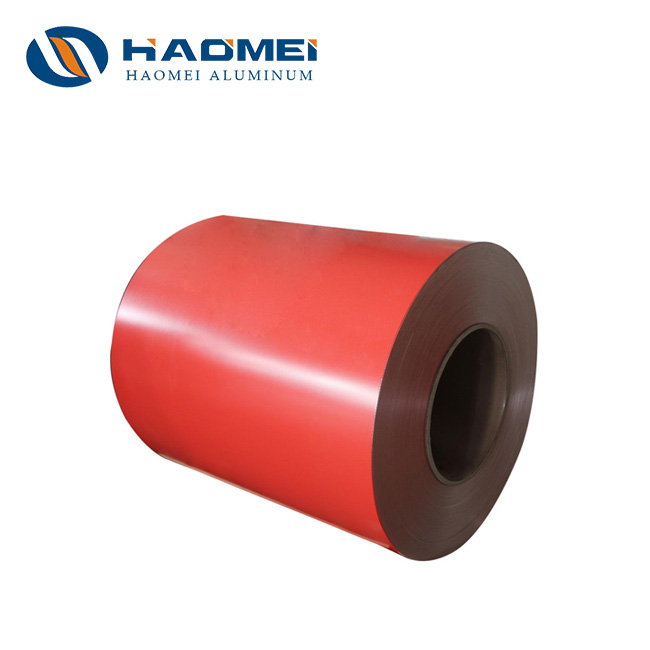
A material described only as "painted" is not enough information. Ask for the coating type, total dry-film thickness, gloss level, paint brand or standard, and whether the reverse side has a backing coat. For façade and roofing work, PVDF Color Coated Aluminum Coil Stock is often specified when weathering performance matters more than initial price.
2. How long do painted aluminum sheets last outdoors?
Outdoor service life is controlled by the coating, local climate, installation design, and maintenance rather than alloy alone. Aluminum naturally forms a thin oxide layer, which helps resist corrosion, but the painted surface is responsible for color retention and visual protection.
In mild inland locations, a quality PE finish can perform well for years when water drains freely and surfaces are cleaned periodically. In intense sun, coastal salt spray, industrial zones, or areas with frequent condensation, PVDF is usually a safer choice. A well-designed coating system can retain its appearance for decades, while a lower-grade finish may fade, chalk, or lose gloss much earlier.
Do not evaluate durability only by a generic warranty period. Check whether the warranty addresses fading, chalking, adhesion failure, blistering, or corrosion. Also confirm the substrate grade and thickness. Thin material can distort during installation, creating areas where water accumulates and coating damage becomes more likely.
3. Will painted aluminum scratch, peel, or crack when bent?
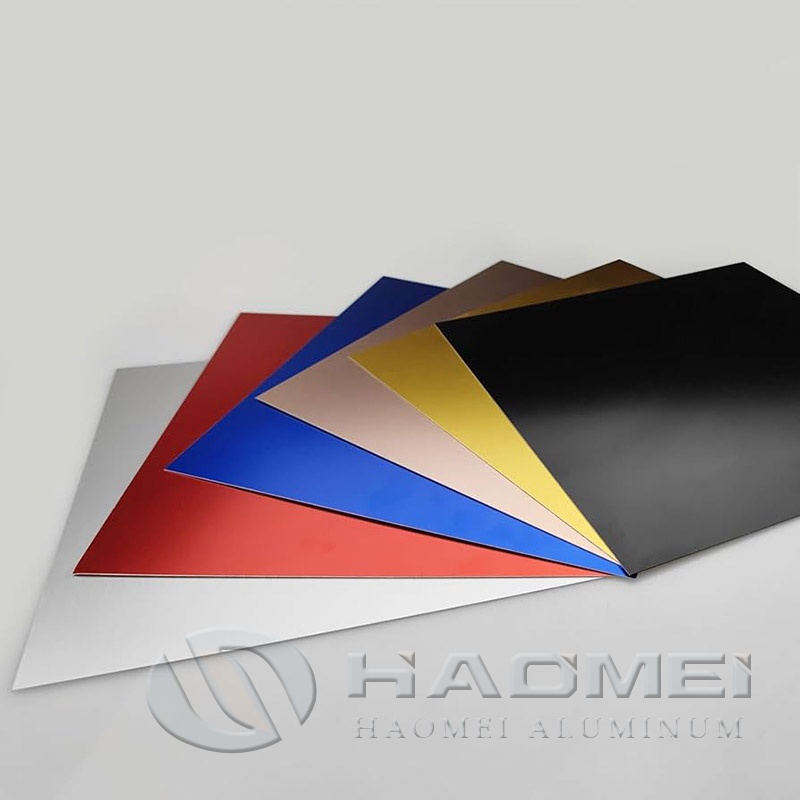
Painted aluminum can be bent successfully, but the forming radius must suit the aluminum temper, thickness, coating flexibility, and paint thickness. Cracking is more likely when a hard temper is bent sharply, when the coating is too thick for the bend radius, or when forming takes place in cold conditions.
For folded flashing, decorative edges, and fabricated profiles, request a sample bend test using the intended tooling. A supplier should be able to discuss T-bend performance, impact resistance, adhesion, and pencil hardness. These tests reveal different properties. A hard coating may resist surface scuffs but may not be the most flexible option for severe bends.
Peeling is not normal on properly manufactured material. It can result from poor pretreatment, insufficient curing, contamination, aggressive forming, or damage caused by unsuitable protective film removal. Protective film should be removed within the recommended period, especially when products are stored in heat or direct sunlight. Adhesive left on the surface can be mistaken for paint failure.
For general fabrication, ask whether the product is supplied in a soft, semi-hard, or hard temper. Matching temper to the forming process often prevents more problems than simply selecting a thicker paint layer.
4. What thickness should I choose for painted aluminum sheets?
Thickness should be selected according to panel span, wind load, profile shape, handling method, and the stiffness required after fabrication. Thickness does not automatically mean better performance if the supporting structure or panel design is inadequate.
| Application Example | Common Thickness Consideration | Main Requirement |
|---|---|---|
| Sign faces and display panels | Light to medium gauge | Flatness and appearance |
| Gutter and trim applications | Medium gauge | Formability and dent resistance |
| Roofing and wall cladding | Medium to heavier gauge | Wind resistance and profile stiffness |
| Trailer or vehicle body panels | Varies by frame design | Vibration resistance and weight control |
| Decorative interior panels | Light gauge | Color consistency and easy fabrication |
Specify thickness with tolerance, not only a nominal value. For example, an order may require a nominal thickness plus an acceptable deviation range. This is particularly important when panels must fit channels, roll-forming tools, or existing assemblies.
Material width also affects waste and handling. Large panels reduce joints, but wider formats can be harder to transport and may need careful leveling before fabrication. For projects requiring continuous processing, Color Coated Aluminum Coil with PE Coating can be slit or cut to dimensions that suit the final component.
5. Can I match a custom color, and will every batch look the same?
Custom color matching is possible, but exact visual consistency requires clear specifications. A RAL, Pantone, or physical color sample gives the coating producer a target, yet color can appear different under sunlight, warm indoor lighting, cloudy conditions, or alongside another material such as steel, glass, or composite panels.
For a controlled order, specify the color reference, gloss range, surface texture, coating type, viewing conditions, and acceptable color tolerance. Metallic, pearlescent, brushed, and matte finishes need extra attention because their appearance changes with viewing angle and panel direction.
Batch consistency also depends on production planning. Ordering the complete quantity at one time is usually preferable when facade panels, trim, and flashing must align visually. If repeat orders are expected, retain an approved sample and record the coating code, substrate alloy, thickness, and production batch details.
Before releasing full production, request a pre-production sample large enough to inspect outdoors. Small swatches are useful for initial color selection, but they may not reveal gloss variation, metallic orientation, oil-canning, or how the finish looks across a wide installed surface.
- White Aluminum Coil StockJul 20, 2026
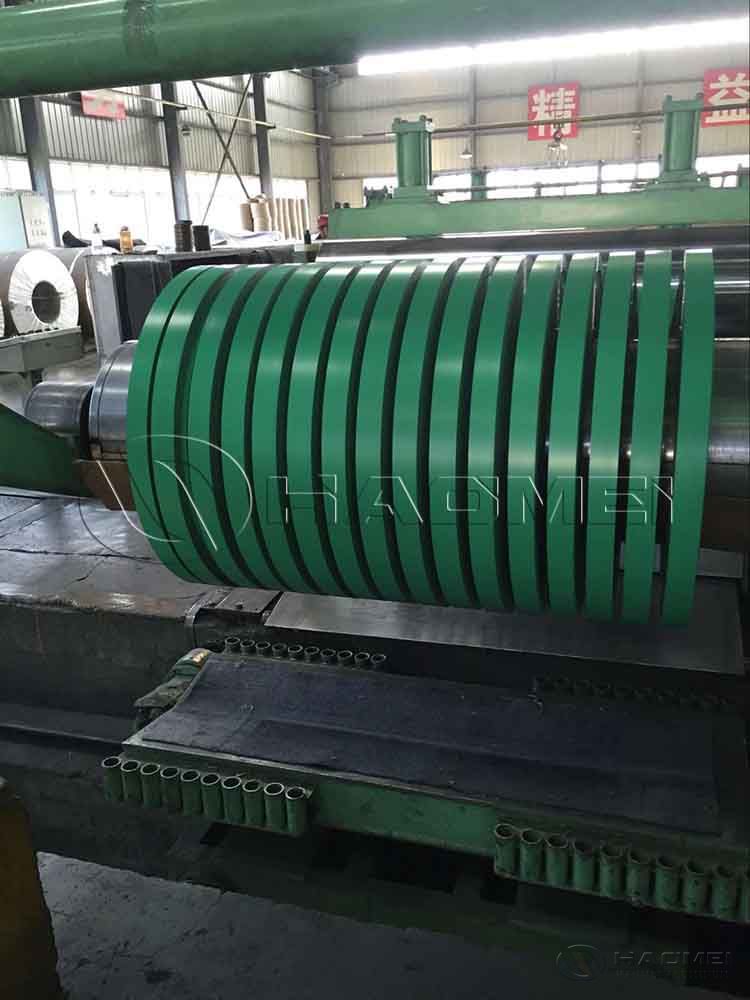
Specify white aluminum coil stock with the correct coating, alloy, thickness, and tests. Compare PE and PVDF d...
- Four Ways to Help you Check Coated Aluminum Coil Quality on SiteApr 10, 2026
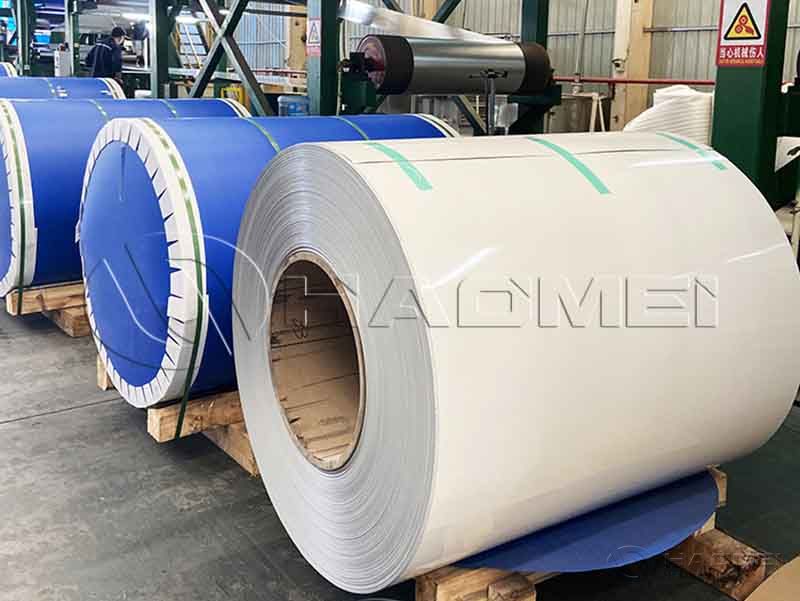
Is your color-coated aluminum coil peeling off after only 2 years? Here are 4 on-site identification methods t...
- What Are The Advantages of Aluminum Gutter CoilsAug 07, 2024
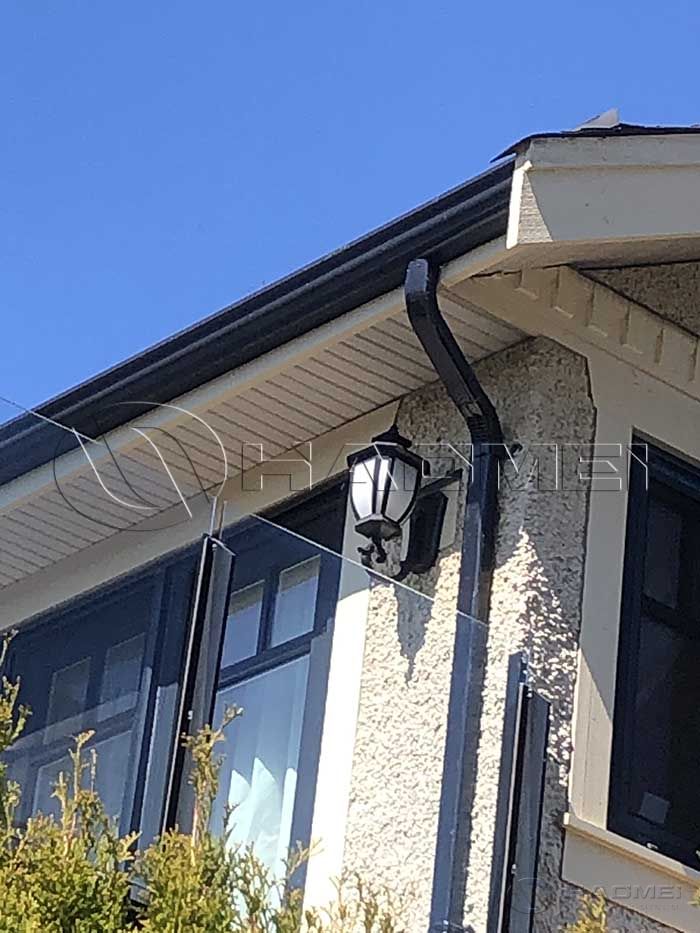
The aluminum gutter is of colorful surface and long service life. The common alloys of aluminum gutter coil ar...
- Coated Aluminum SheetJun 01, 2026
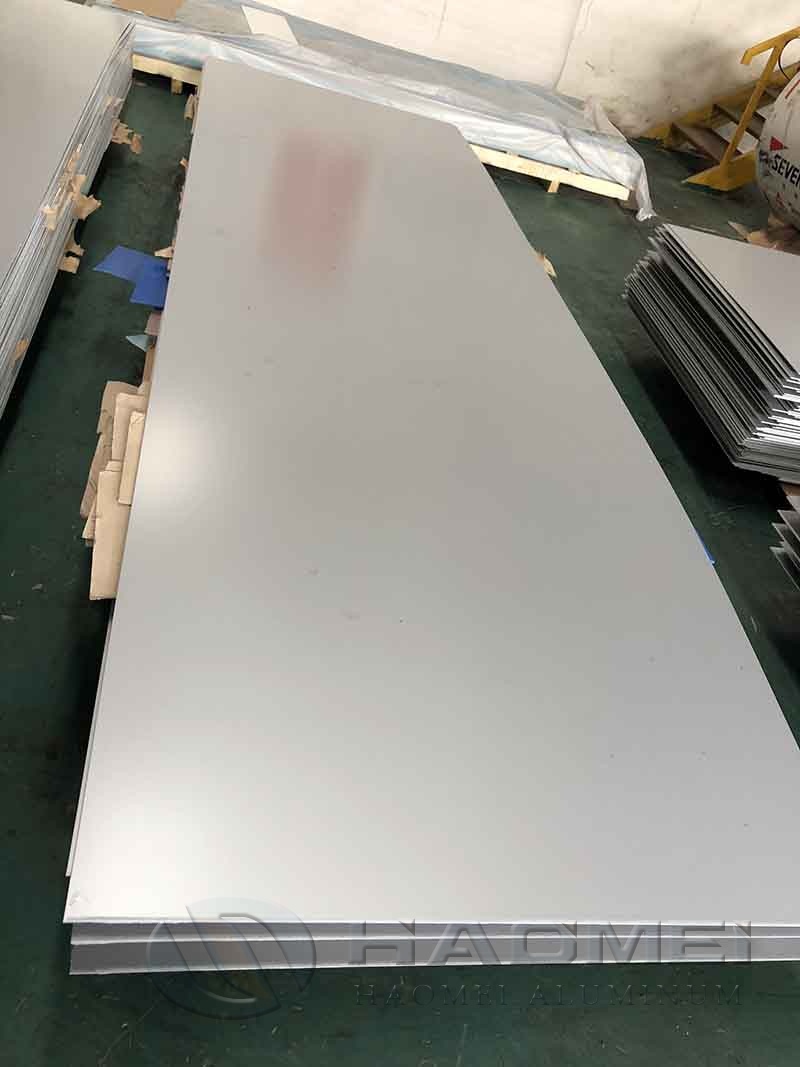
Coated aluminum sheet specs, PVDF vs PE coatings, cost drivers, standards, QC checks, and sourcing steps for v...
- Aluminum Gutter Coil For SaleApr 25, 2021
Haomei Aluminum has rich colors of aluminum gutter coil for North America customers including white, black, gr...
Inquiry
TABLE OF Contents

Haomei Aluminum CO., LTD.
Tel/Whatsapp: +86-15978414719
Email: sale@alumhm.com
Website: https://www.alumhm.com
Xin'an Industrial Assemble Region,Luoyang,Henan Province,China
Office Add: 1103, No.14 Waihuan Road, CBD, Zhengzhou, China