White Aluminum Coil Stock
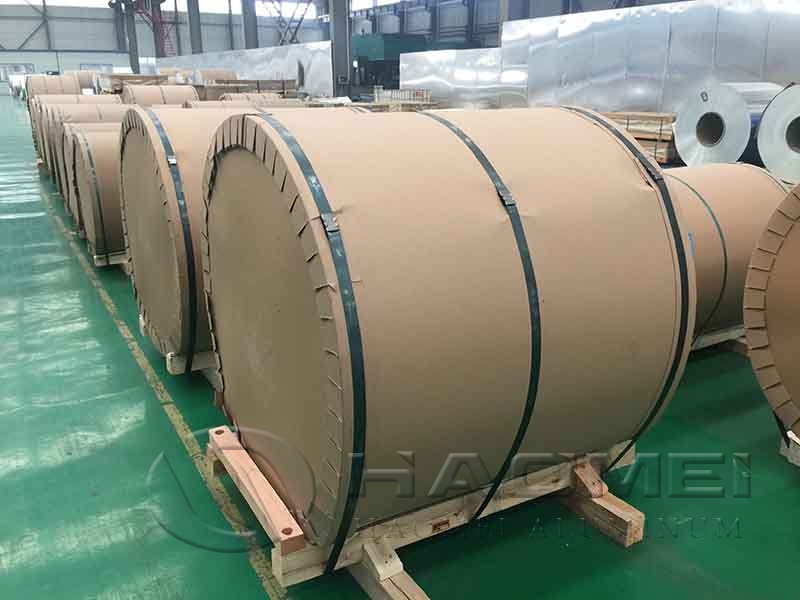
Specify white aluminum coil stock with the correct coating, alloy, thickness, and tests. Compare PE and PVDF durability for exterior applications.
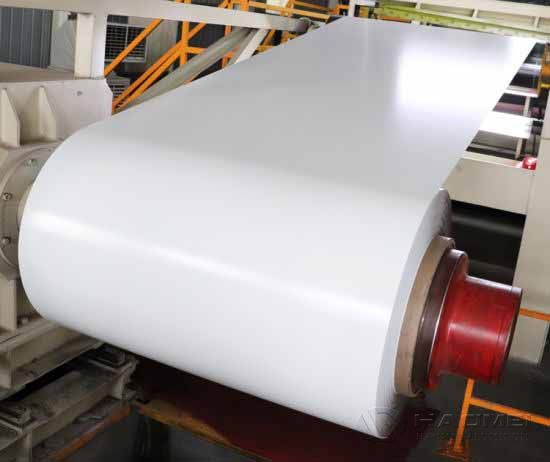
White aluminum coil stock is commonly specified for roofing, facade panels, gutters, appliance parts, insulation cladding, and roll-forming profiles. The most important purchasing concern is not simply obtaining a white surface. It is ensuring that the coating remains uniform, adherent, and visually stable after forming and outdoor exposure.
White is a painted finish applied to an aluminum substrate, not an aluminum alloy designation. A complete request should identify the alloy, temper, metal thickness, paint system, gloss, color tolerance, coil dimensions, and applicable inspection requirements. Leaving any of these items open can result in visible batch variation or coating performance that does not fit the end use.

Specify the White Finish Before Comparing Quotes
The first decision is whether the application needs polyester (PE) paint or a fluoropolymer coating, commonly PVDF. Both are used in prepainted aluminum, but they serve different exposure conditions and budgets.
| Selection factor | PE-coated white aluminum | PVDF-coated white aluminum |
|---|---|---|
| Typical use | Interior panels, signage, protected building components | Roofs, wall cladding, exterior architectural panels |
| Weather resistance | Suitable for moderate exposure when specified correctly | Higher resistance to UV exposure and weathering |
| Cost position | Usually lower | Usually higher due to resin system and specification |
| Color and gloss retention | Depends strongly on pigment, film thickness, and environment | Often selected where long-term appearance retention is required |
| Specification reference | EN 13523 test methods can be used | EN 13523 test methods; project requirements may cite AAMA 2605 |
For long-lived exterior architectural use, specify the performance requirement instead of relying only on the label "PVDF." AAMA 2605 is a North American performance specification for high-performance organic coatings on aluminum extrusions and panels. It is not automatically proof that every coil-coating product meets the standard. Ask the supplier for the coating system data, test scope, and written confirmation of compliance where the project requires it.
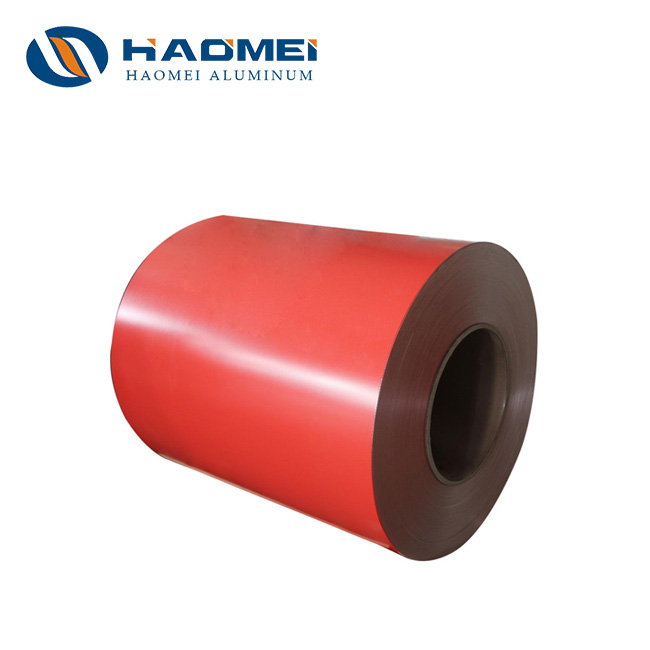
PE is often a sensible choice for enclosed, low-UV, or shorter-service applications. For exposed roofing and facade work, a fluoropolymer system may justify its higher initial price when coating retention and maintenance risk matter. For products requiring protective film, Color Coated Aluminum Coil with PE Coating can be evaluated against the forming radius and intended installation environment.
White shade also needs a measurable control point. Request a retained color standard or approved sample and define the measurement method. Color difference is commonly reported as Delta E in the CIELAB color space. A lower Delta E indicates closer agreement, but the acceptable limit must be agreed between the manufacturer and customer because perception varies with gloss, lighting, surface texture, and viewing angle.
Control the Material Specification and Coating Quality
A durable finish begins with a suitable base metal and pretreatment. Common aluminum grades for painted architectural and general fabrication applications include 3003, 3105, and 3005, selected according to formability, strength, and regional material practice. The correct temper must match the operation: material that is too hard can crack during severe profiling, while excessively soft material may not hold its intended shape.
Use ASTM B209 for dimensional and material requirements when it applies to aluminum and aluminum-alloy rolled products, or EN 485 for European flat rolled product requirements. These standards do not replace a detailed commercial specification for paint color, film thickness, or surface acceptance.
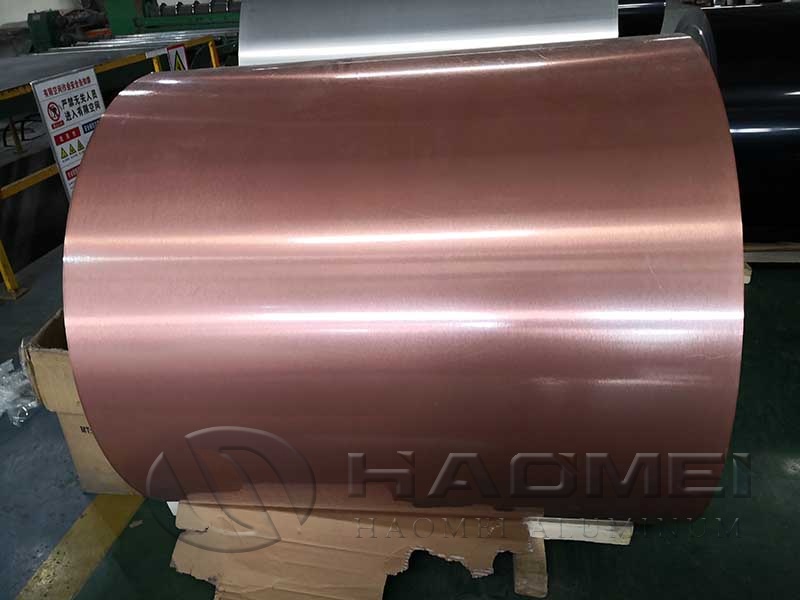
Include these controls in the purchase specification:
Alloy and temper: State the exact designation, such as 3105-H24, only after confirming that it suits the forming process.
Metal thickness: Define nominal thickness and permitted tolerance. Do not confuse total coated thickness with bare-metal thickness.
Coating build: State primer and topcoat dry-film-thickness requirements separately where relevant. A generic phrase such as "high-quality paint" is not inspectable.
Surface side: Identify whether white coating is required on one side or both sides, and specify the reverse-side finish.
Gloss and texture: Confirm gloss level at the specified angle, plus smooth, embossed, or textured appearance.
Mechanical testing: Define adhesion, bend, impact, and solvent-resistance tests suited to the use case. The EN 13523 series contains recognized coil-coating test methods, including tests for gloss, color difference, bend behavior, and resistance to liquids.
Protection and packaging: Require interleaving or removable protective film when surface scratching during processing is a risk.
Coating adhesion should be checked after forming, not only on a flat laboratory coupon. A tight bend test is especially relevant for roll-forming operations. The required bend radius depends on alloy, temper, thickness, paint system, and part geometry. Ask for a pre-production sample made under comparable forming conditions if the profile includes sharp radii.
Where exterior UV performance is central to the project, PVDF Color Coated Aluminum Coil Stock provides a more appropriate starting point than treating all white-painted material as equivalent.
Prevent Common Receiving and Processing Failures
The most frequent quality disputes involve shade inconsistency, edge damage, transit moisture, and cracking after fabrication. These are preventable when acceptance conditions are established before production.
| Risk | Practical prevention | Receiving check |
|---|---|---|
| White shade differs between coils | Approve a physical standard and set the measurement conditions | Inspect under agreed light source; compare coil ends and samples |
| Paint cracks during profiling | Match temper and coating flexibility to minimum bend radius | Run a forming trial before full production release |
| Water staining or corrosion under wraps | Use dry packaging and define storage limits | Check packaging integrity and inspect for trapped moisture |
| Edge dents and telescoping | Specify coil ID, OD, maximum mass, edge condition, and pallet protection | Verify coil geometry before slitting or loading the line |
| Surface marks | Specify protective film, handling method, and permissible defect criteria | Inspect outer wraps and exposed surfaces before processing |
Price comparisons should use the same basis: alloy, thickness, width, coating type, paint thickness, finish, coil weight, packaging, and delivery terms. A lower quoted amount may reflect a thinner substrate, reduced paint build, a different resin system, or less protective packaging. Separating metal value, conversion, coating, packaging, and logistics also makes quote comparisons more transparent.
Before issuing production approval, retain a labeled sample from each approved color batch, record coil numbers, and confirm the inspection plan with the processor. This traceability supports faster root-cause analysis if color, adhesion, or forming issues appear during downstream manufacturing.
- What Are Uses of The Coated Aluminum CoilAug 15, 2024
The color coated aluminum coil is widely used in the car license plate, solar collector, roofing panel, roller...
- Aluminium Coil for RoofOct 14, 2025
When choosing a roofing material, many prioritize durability and a premium appearance, and the aluminum roofin...
- What Is Pre Painted Aluminium Coil for License PlateMay 19, 2021
The pre painted aluminium coil for license plate is is coated with a layer of fluorocarbon paint or polyester...
- Coated Aluminum SheetJun 01, 2026
Coated aluminum sheet specs, PVDF vs PE coatings, cost drivers, standards, QC checks, and sourcing steps for v...
- The Manufacturing Process of Aluminum Trim Coil 24 x 50Feb 26, 2020
The are four steps mainly to manufacture aluminum rim coil 24x50. The aluminum trim coil prices is always chan...
Inquiry
TABLE OF Contents

Haomei Aluminum CO., LTD.
Tel/Whatsapp: +86-15978414719
Email: sale@alumhm.com
Website: https://www.alumhm.com
Xin'an Industrial Assemble Region,Luoyang,Henan Province,China
Office Add: 1103, No.14 Waihuan Road, CBD, Zhengzhou, China