PVDF vs PE Coating on Aluminum Strip
Confused between PVDF & PE coatings for prepainted aluminum strip coils? Learn key differences in durability, gloss, color retention, and which to choose for outdoor, harsh environments or cost-effective indoor use.
In prepainted aluminum strip coil processing, coatings are not only aesthetically pleasing but also serve as a protective armor, shielding the aluminum strip from external corrosion and extending its service life. Currently, the two most common aluminum strip coatings on the market—PVDF (polyvinylidene fluoride) coating and PE (polyester) coating—often leave buyers with a difficult choice. How to choose?

1. Durability
Durability is the core competitiveness of aluminum strip coatings, directly affecting the lifespan of the aluminum strip in different environments. Especially in outdoor and highly corrosive environments, differences in durability directly impact usage costs.
PVDF coatings boast unparalleled durability, effectively resisting external corrosion such as ultraviolet rays, acid rain, salt spray, and industrial pollutants, and even withstanding extreme temperature environments ranging from -40°C to 150°C. Commercial PVDF coatings typically use a "70/30" system, that is, 70% PVDF fluoropolymer resin combined with 30% acrylic resin, ensuring both weather resistance and improved adhesion between the coating and the aluminum strip substrate.
Actual test data shows that PVDF-coated aluminum strips have a service life of 20-30 years in harsh outdoor environments. After thousands of hours of salt spray testing, they show no blistering or rusting. Even under prolonged exposure to strong ultraviolet radiation, the coating does not powder or crack, truly achieving "one-time application, long-term peace of mind." This makes them particularly suitable for harsh environments such as coastal areas with heavy salt spray, highly polluted industrial areas, and high-altitude areas with strong ultraviolet radiation.
PE coatings, on the other hand, have a more "practical" durability. Their molecular chains are mainly composed of ester bonds with low bond energy, making them easily decomposed by ultraviolet radiation when exposed to outdoor environments for extended periods. In mild indoor environments or non-harsh outdoor conditions, PE-coated aluminum strips have a service life of approximately 5-10 years. However, in coastal areas, high-temperature exposure, or industrially polluted areas, the coating surface may crack, powder, and peel off within just a few years.
However, PE coatings have excellent processability, withstanding 90° bends and complex stamping. The coating is not prone to cracking and has lower requirements for production equipment, with a high tolerance for process errors. This makes them suitable for short-term use and low-maintenance scenarios such as indoor decoration and ordinary factories.
2. Glossiness
Glossiness directly affects the visual effect of aluminum strips. Different scenarios have different requirements for glossiness, and the gloss performance and durability of the two coatings also differ significantly.
PVDF coatings exhibit a "delicate, soft, and long-lasting stable" glossiness. The gloss range can be flexibly designed from matte to high gloss, with high gloss uniformity and a delicate surface texture without noticeable graininess.
More importantly, PVDF coatings have extremely strong gloss retention. After long-term outdoor use, the gloss decays slowly. Even after more than 10 years of use, it can still maintain more than 70% of its initial gloss, without significant loss of gloss or darkening.
This is due to its dense molecular structure, which effectively prevents the adhesion of dust and pollutants, while also resisting the damage to gloss caused by ultraviolet rays. It is especially suitable for high-end scenarios that require high-quality appearance and long-term aesthetics, such as landmark building curtain walls and high-end office building facades.
PE coatings prioritize initial brilliance. Freshly processed PE-coated aluminum strips boast a full, high-brightness gloss, creating a striking visual effect. A wide range of gloss options are available to meet diverse decorative needs.
However, the gloss of PE coatings is less durable. Prolonged exposure to outdoor UV radiation can cause loss of shine and darkening. After 3-5 years, the gloss fades significantly, leaving the surface dull and even appearing "black."
Furthermore, PE coatings have a higher surface energy, making them prone to attracting dust and stains. Rainwater washes away watermarks, requiring regular cleaning to maintain their appearance. This makes them more suitable for mid- to low-end decorative applications where durable gloss is less critical.
3. Color Retention
Color retention is the "lifeline" of aluminum strip decoration, especially for outdoor decoration and long-term exposure. Poor color retention directly impacts the overall aesthetics and may necessitate frequent replacements, increasing operating costs. The difference in color retention between the two coatings stems from their different molecular structures.
PVDF coatings boast unparalleled color retention. Their stable carbon-fluorine bond structure effectively blocks UV radiation from decomposing the pigments, and combined with highly stable inorganic pigments, they achieve long-lasting color locking. Whether dark, saturated, or metallic, PVDF coatings maintain uniform color with minimal color difference (ΔE≤2.0) over a long period. They remain virtually colorfast even after over 20 years of outdoor use, and do not yellow, discolor, or fade even in harsh environments such as high temperature, high humidity, and acid rain. Many curtain walls coated with PVDF in the 1980s and 90s still maintain good color, further demonstrating their superior color retention.
PE coatings, on the other hand, have relatively poor color retention. Their polyester resin molecular chains are easily corroded by UV radiation, leading to pigment decomposition and subsequent fading and yellowing. Under mild conditions, PE coatings retain their color for approximately 3-5 years. However, under strong UV radiation and high humidity, the fading rate accelerates significantly, reaching over 30% within 5 years, and is prone to uneven color and increased color difference.
However, PE coatings offer a wide range of colors and are relatively inexpensive. For short-term use and scenarios where color retention is not critical, such as indoor ceilings and ordinary factory interior walls, they can still meet basic needs.
Selection Recommendations
If your color coated aluminum strip is intended for harsh outdoor environments or high-end decorative applications, and you prioritize long-term durability and lasting aesthetics, and are willing to bear the higher initial cost, then PVDF coating is undoubtedly the first choice—although the initial purchase cost is 3-5 times that of PE coating, its service life is 4-5 times longer, resulting in lower long-term maintenance and replacement costs.
If your aluminum strip is intended for indoor environments or short-term outdoor use, and you prioritize cost-effectiveness and initial decorative effect, and do not mind regular maintenance and replacement, then PE coating is more suitable, as it can meet basic protection and decorative needs at a lower cost.
- How to Calculate the Weight of an Aluminium Strip CoilSep 10, 2026
Calculating the weight of aluminum strip coils is fundamentally based on the physical formula "Volume × Densit...
- 3003 Aluminum Ceiling StripApr 24, 2022
3003 aluminum strip is a popular aluminum ceiling strip. What are its properties ? It is also called rust-proo...
- The Manufacturing Process of Aluminum Strip For Cosmetic CapJun 09, 2020
What’s the manufacturing process of aluminum strip for cosmetic caps? Haomei, aluminum bottle cap material sup...
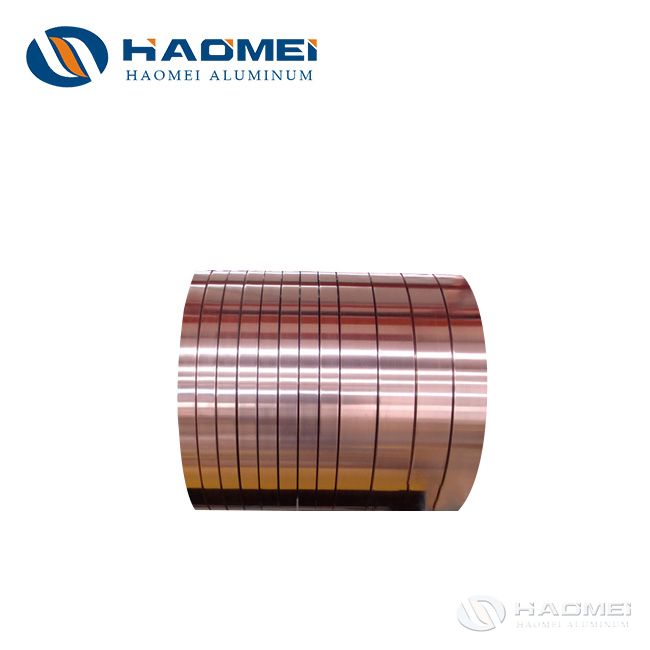
- Coated and Embossed Aluminum Strip CeilingJul 27, 2020
The coated and embossed aluminum strip provides a technically perfect ceiling system. Welcome to inquire alumi...
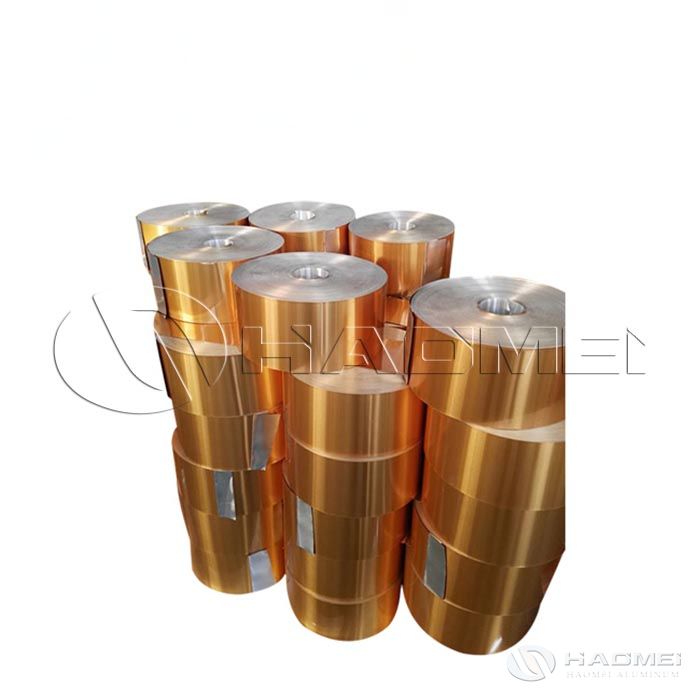
- What Is Manufacturing Process of Coated Aluminum StripAug 01, 2022
The coated aluminum strip is of beautiful appearance and longer service life. What are its manufacturing proce...
Inquiry
TABLE OF Contents

Haomei Aluminum CO., LTD.
Tel/Whatsapp: +86-15978414719
Email: sale@alumhm.com
Website: https://www.alumhm.com
Xin'an Industrial Assemble Region,Luoyang,Henan Province,China
Office Add: 1103, No.14 Waihuan Road, CBD, Zhengzhou, China