Food Container Aluminum Foil
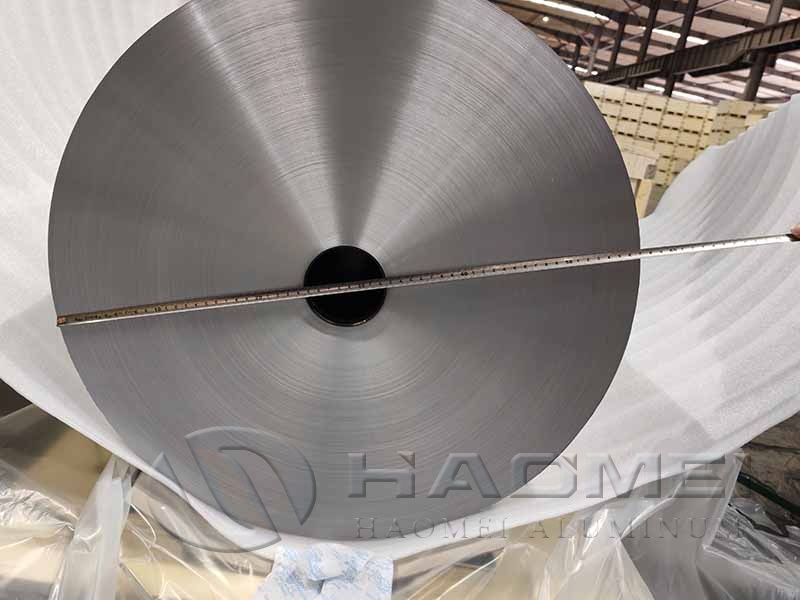
Food container aluminum foil specs for holiday catering: alloys, tempers, compliance checks, packaging, and order timing for converters.
June is the ordering window for July cookouts, summer festivals, airline meal peaks, and early autumn catering contracts. For manufacturers and distributors serving food trays, lids, roasting pans, takeaway boxes, and meal-prep packs, food container aluminum foil is not just a raw material. It is a holiday capacity solution.
The main feature to control in this article is formability. During holiday surges, container plants often run faster, change tooling more often, and accept larger mixed orders. Poor formability creates split corners, wrinkled rims, pinholes, and rejected trays exactly when delivery windows are tight.

1. Match Holiday Food Use to the Right Foil Stock
Holiday demand is predictable, but the product mix changes by region. North America usually sees barbecue trays, pie pans, roasting containers, and delivery packs rise around Canada Day and Independence Day. Europe adds summer music festivals, outdoor catering, and holiday travel meals. In Q4 planning, Thanksgiving, Christmas, Hanukkah, and New Year meals raise demand for deep pans, smooth-wall containers, lids, and ovenable packs.
Use the application first, then choose alloy, temper, gauge, and surface treatment.
| Holiday application | Common container type | Practical foil requirement | Risk if underspecified |
|---|---|---|---|
| BBQ ribs, grilled meat, party catering | Semi-rigid tray | Strong rim, grease resistance, stable base | Rim collapse, leakage |
| Airline and train meals | Single-serve smooth-wall tray | Tight gauge tolerance, clean surface | Sealing failure, appearance defects |
| Bakery pies and desserts | Pie pan, cake cup | Good drawability, bright surface | Wrinkles, corner cracks |
| Takeaway family meals | Deep container with lid | Higher strength after forming | Denting in transport |
| Holiday buffet prep | Large roasting pan | Heavier gauge, reliable dead-fold | Bottom deformation |
For most formed food containers, 8011 and 3003 aluminum alloys are widely used because they balance strength, ductility, corrosion resistance, and formability. Many plants use O temper or soft tempers for deeper drawing, while harder tempers may suit shallow lids or specific tray designs. The exact choice should be validated with tooling trials.
If your production plan includes stamped trays and lids, specify Aluminum Foil for Food Packaging and Container with alloy, temper, thickness range, width tolerance, surface condition, and core size written into the purchase specification.
2. Specify Formability Before Price Negotiation
Holiday orders often fail for one reason: the quote is built around thickness and tonnage only. That misses the forming behavior of the coil.
A useful specification should define what the converting line must achieve, not only what the mill must ship.
Pre-order specification checklist
| Item to confirm | What to write in the RFQ | Why it matters during holidays |
|---|---|---|
| Alloy | 8011, 3003, or approved equivalent | Controls strength and elongation |
| Temper | O, H22, H24, or plant-approved temper | Reduces cracking and rim wrinkling |
| Thickness | Nominal gauge plus tolerance | Stabilizes forming and cost control |
| Width | Slit width and tolerance | Prevents edge waste and feeding issues |
| Surface | One side bright, matte, lubricated, or plain | Affects release, print, seal, and appearance |
| Pinholes | Define acceptable inspection level | Protects leakage-sensitive packs |
| Wettability or lubrication | As required by press line | Supports smooth high-speed stamping |
| Packaging | Eye-to-wall or eye-to-sky, moisture protection | Prevents transit oxidation and edge damage |
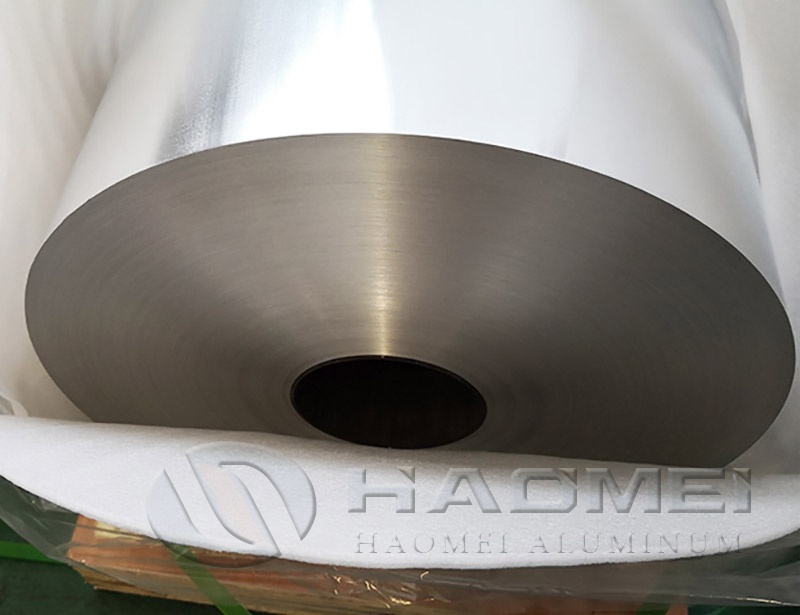
A practical forming test should include the holiday container shapes, not just a flat sample review. Run the deepest tray, the sharpest corner, and the fastest press speed expected in peak weeks. Record split rate, wrinkle rate, rim strength, earing behavior, and scrap percentage.
Formability validation steps
Request coil sample or trial roll from the same production route planned for shipment.
Test on the actual die set used for seasonal containers.
Measure finished tray weight, wall thickness distribution, rim curl, and leakage rate.
Confirm whether lubrication affects sealing, printing, or food-contact declarations.
Approve the specification only after production-speed forming, not slow manual trials.
Food-contact compliance must also be treated as a supply condition. In the United States, food-contact packaging materials are regulated under the Federal Food, Drug, and Cosmetic Act and applicable FDA food-contact rules, including requirements for coatings and additives where used. In the European Union, Regulation (EC) No 1935/2004 requires materials intended to contact food not to transfer constituents in quantities that could endanger human health or change food composition or odor, and Regulation (EC) No 2023/2006 sets good manufacturing practice requirements. For coated or lacquered foil, request declarations specific to the coating system and intended food type.
Pricing should be structured transparently. Aluminum foil contracts commonly reference public aluminum benchmarks, such as London Metal Exchange aluminum prices, plus conversion charges, alloy premiums, slit width charges, packaging, and freight. Because LME aluminum prices are published daily and move with energy, currency, and inventory conditions, holiday programs should lock the pricing formula early instead of relying on spot negotiation close to shipment.
3. Holiday Supply Plan: Timing, Channels, and Inspection
Volume purchasing teams should work backward from retail and catering delivery dates. For July holiday demand, container producers often need qualified stock before mid-June so they can form, pack, warehouse, and ship finished trays. For Thanksgiving and Christmas, specifications are best confirmed before late Q3 because coated stock, special widths, and printed lid materials can require longer coordination.
Recommended timeline
| Timing before holiday sale | Action | Responsible team |
|---|---|---|
| 10-12 weeks | Forecast container types and weekly tonnage | Sales planning, plant manager |
| 8-10 weeks | Confirm alloy, temper, gauge, width, and packaging | Engineering, purchasing |
| 6-8 weeks | Run sample forming and leakage tests | Quality, production |
| 4-6 weeks | Release shipment schedule by coil size | Logistics, supplier |
| 2-4 weeks | Inspect incoming rolls and prepare safety stock | Warehouse, quality |
| Peak weeks | Track scrap rate, downtime, and urgent replenishment | Production, customer service |
Use different supply channels for different risks. Mill-direct orders are better for planned tonnage, stable widths, and repeated holiday programs. Distributor stock helps cover urgent replenishment, mixed gauges, or trial runs. Converter partnerships are suitable when trays, lids, and rolls must be bundled for foodservice accounts.
For ready-to-quote seasonal programs, Aluminum Foil Packaging for Sale should be evaluated against the same forming and compliance checklist rather than only warehouse availability.
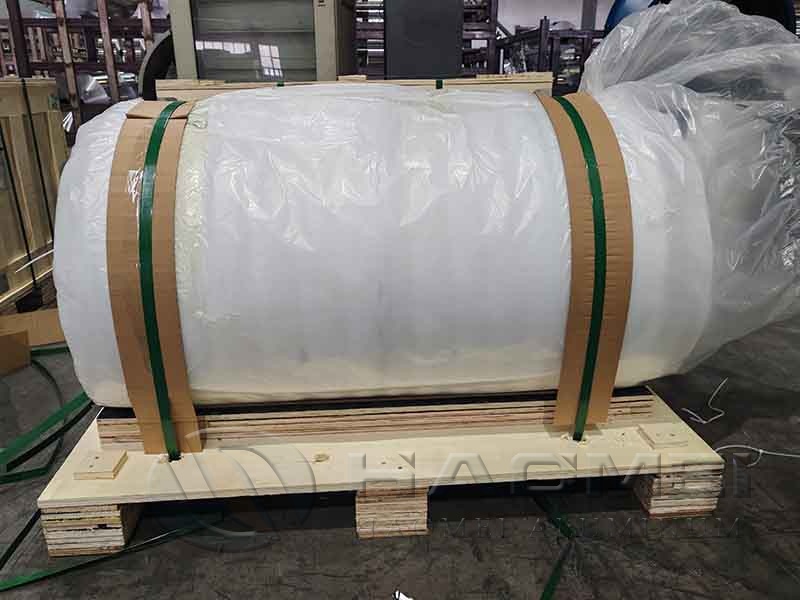
Incoming inspection points for peak-season coils
| Inspection point | Acceptance focus | Action if failed |
|---|---|---|
| Coil edge | No severe burrs, dents, telescoping | Quarantine and photograph |
| Surface | No oil stains, corrosion, heavy scratches | Check affected length before release |
| Gauge | Within agreed tolerance | Adjust press settings or reject |
| Width | Matches slitting order | Prevent feed misalignment |
| Core and packing | Dry, stable, labeled | Report transport damage immediately |
| Traceability | Heat, coil, batch, and declaration documents | Hold stock until documents match |
For holiday containers, formability protects margin better than a small reduction in foil price. A coil that forms cleanly at production speed reduces scrap, labor interruption, customer claims, and emergency freight.
Purchase order fields to include
Alloy and temper approved by forming trial.
Thickness, width, and tolerance.
Surface condition and lubrication requirement.
Food-contact declaration requirement for target market.
Coil inner diameter, outer diameter, and maximum coil weight.
Packing method, moisture protection, and pallet standard.
Inspection certificate, traceability code, and shipment schedule.
Agreed claim process for edge damage, gauge deviation, or surface defects.




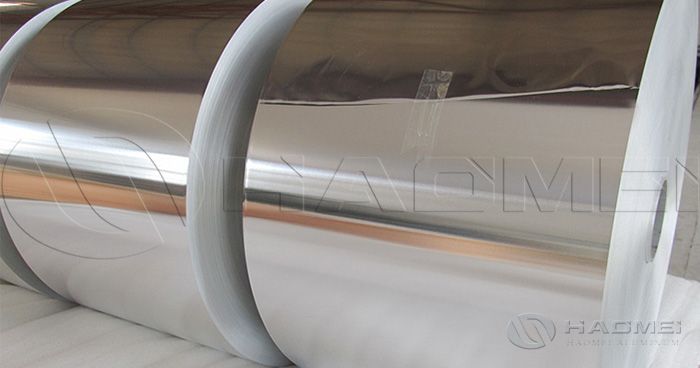
- Aluminum Foil Tape Home DepotDec 10, 2020
The aluminum foil tape home depot features strong adhesion, anti-aging,anti-corrosion,etc. 1235 and 8011 alumi...
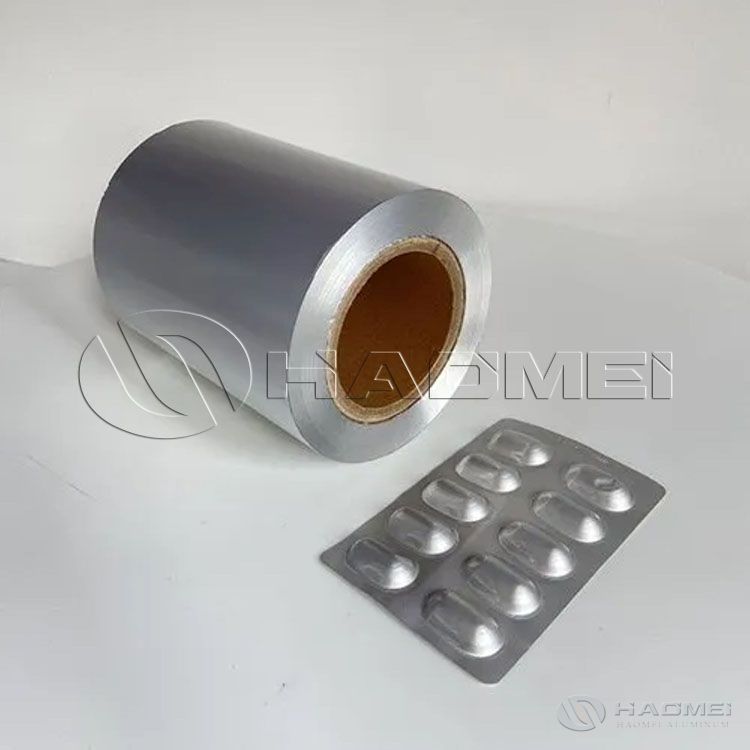
- The Uses of Foil Packaging MaterialDec 29, 2020
What are the uses of foil packaging material? Its top uses are food grade aluminum foil, PTP aluminum foil and...
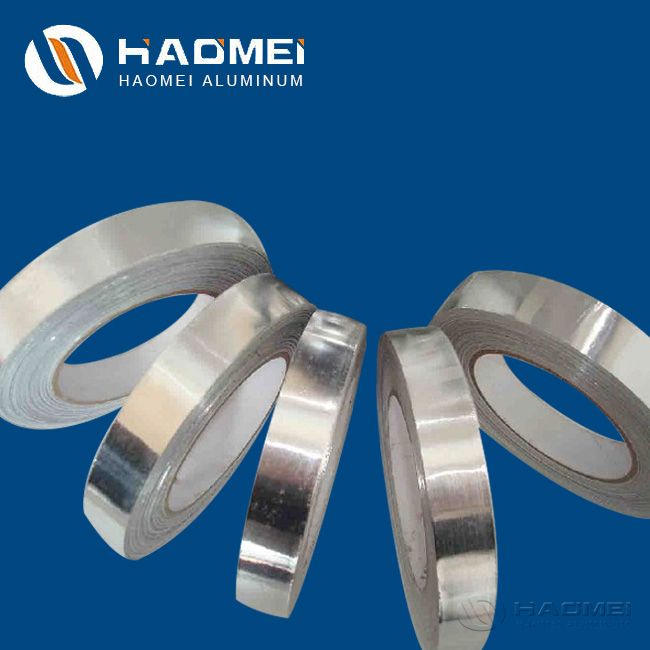
- What Is Alu Alu Foil for Pharmaceutical PackagingJun 17, 2025
In recent years, alu alu foil for pharmaceutical packaging has gradually gained more and more favor and has be...
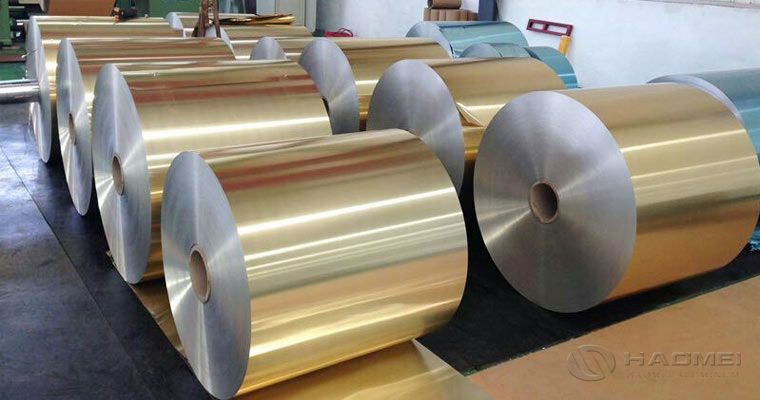
- How to Buy Foil TapeMay 15, 2020
You need to have a knowledge of its specifications and uses to help you find a right manufacturer of aluminum...
- The Quality Requirement of Cigarette Aluminum Foil PaperNov 02, 2020
The cigarette aluminum foil paper is used for cigarette packaging for moisture-proof and keeping fragrance. Wh...
Inquiry
TABLE OF Contents

Haomei Aluminum CO., LTD.
Tel/Whatsapp: +86-15978414719
Email: sale@alumhm.com
Website: https://www.alumhm.com
Xin'an Industrial Assemble Region,Luoyang,Henan Province,China
Office Add: 1103, No.14 Waihuan Road, CBD, Zhengzhou, China