Diamond Plate Metal Sheets 4x8
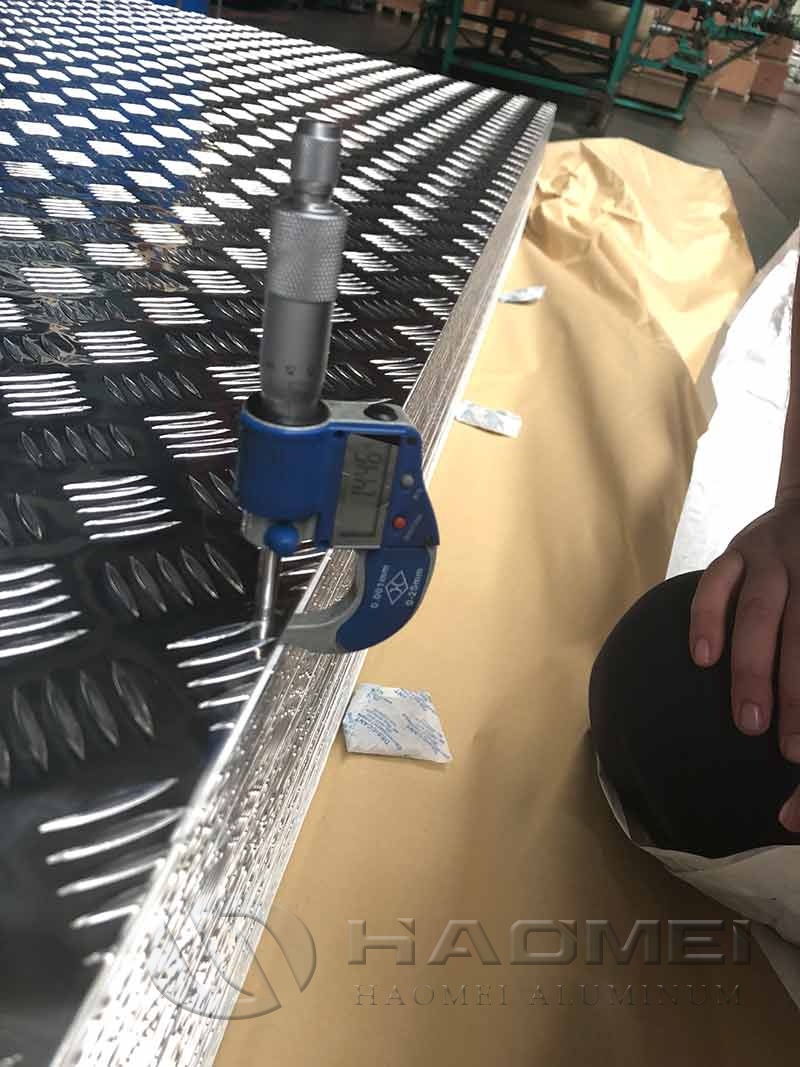
Compare 4x8 diamond plate metal sheets by alloy, thickness, weight, finish, and price factors for trailers, floors, walls, and fabrication projects.
Top concern: choosing the right alloy for strength, corrosion resistance, and fabrication cost.
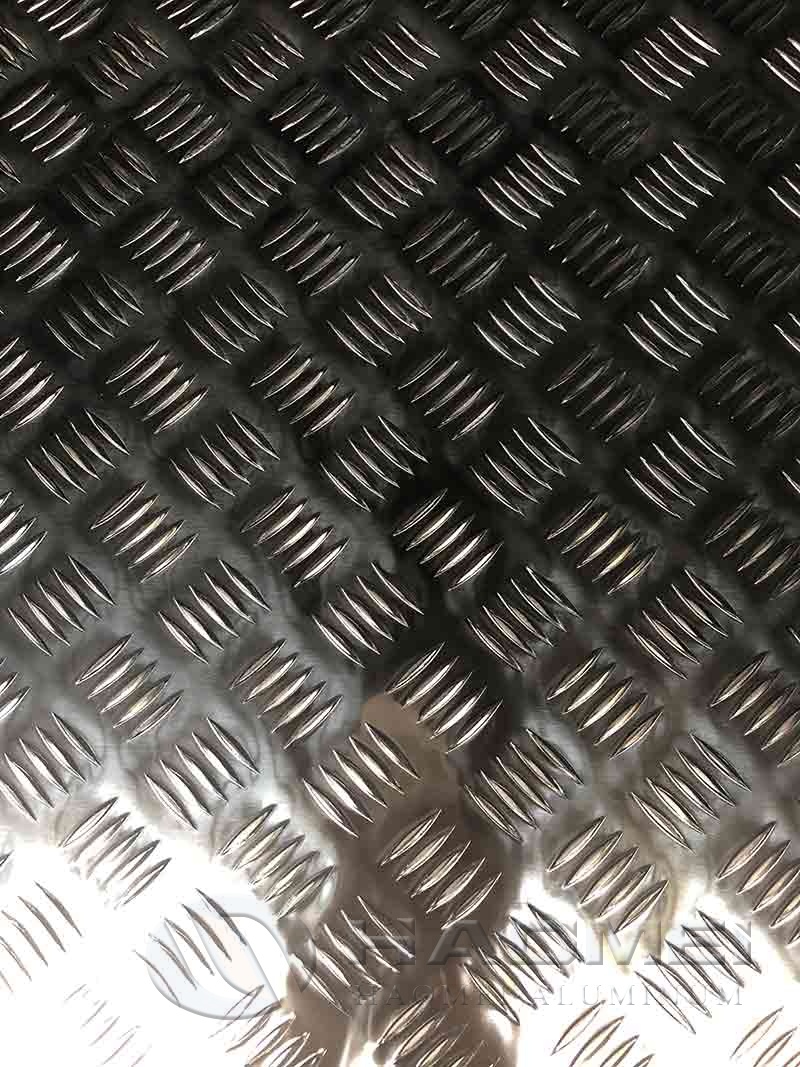
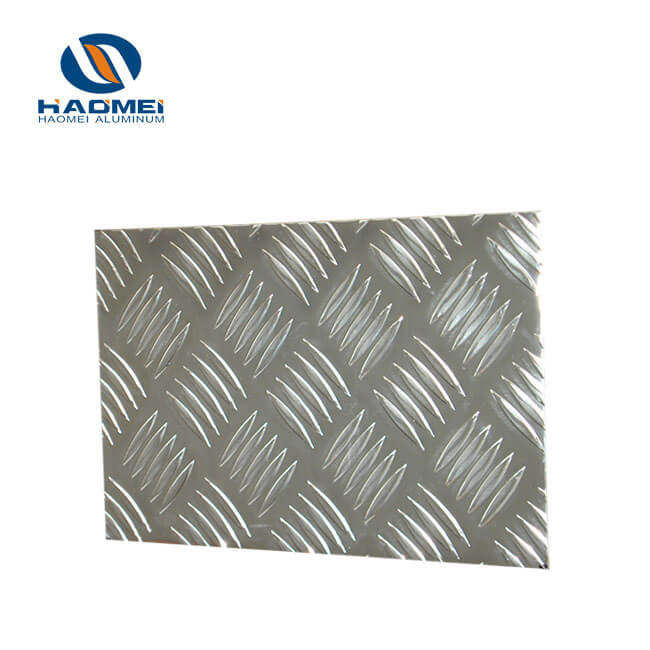
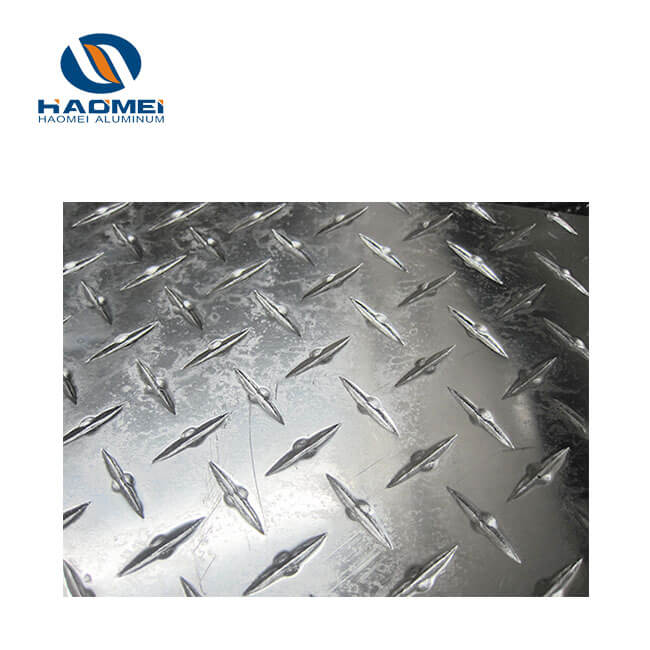
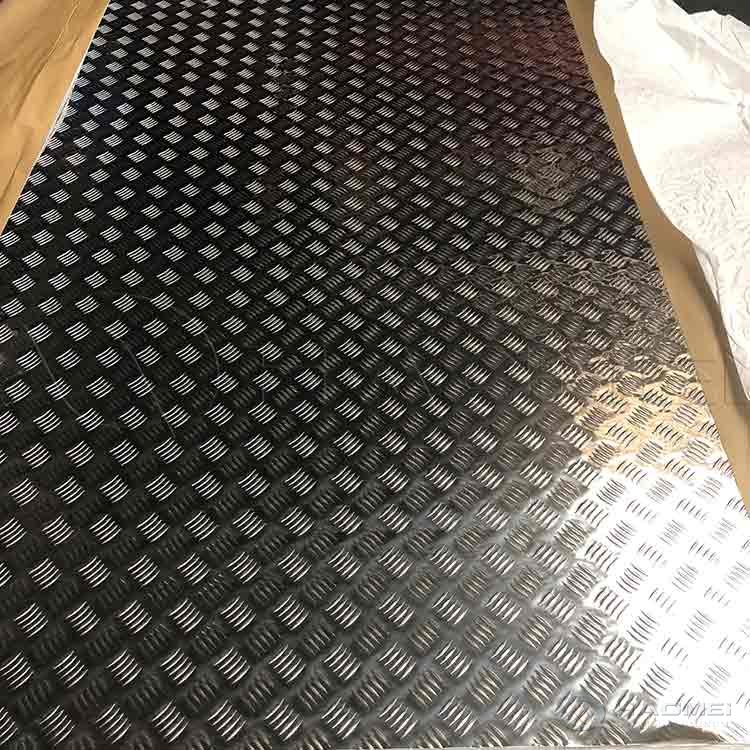
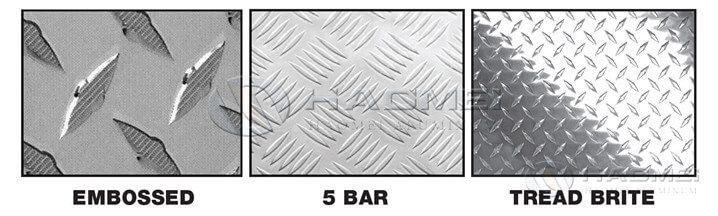
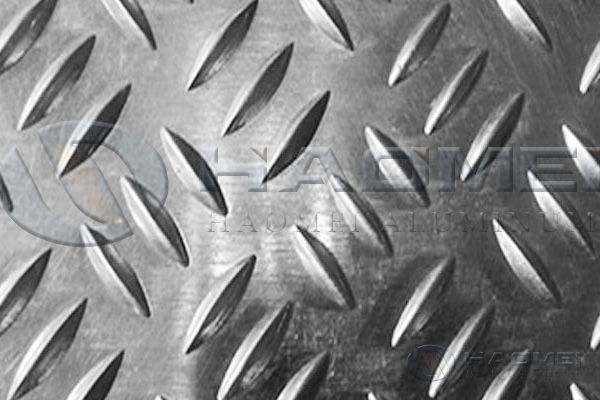
4x8 diamond plate sheets are widely used for trailer decks, vehicle flooring, stair treads, wall protection, toolboxes, and industrial fabrication. The pattern improves slip resistance and surface durability, but the embossed design alone does not determine performance. In practice, alloy, temper, thickness, and finish have a bigger impact on service life and total cost.
For industrial sourcing, the most common aluminum options are 3003-H22 and 5052-H32. Both are established grades in ASTM B632/B632M, the standard specification covering aluminum-alloy rolled tread plate. If the project involves outdoor exposure, washdown, road salt, or marine-adjacent service, alloy selection should be checked before price comparison.

What a 4x8 diamond plate sheet actually means
A standard 4x8 panel is nominally 48 in × 96 in, or about 1.22 m × 2.44 m. In international trade, this is often discussed as 1220 × 2440 mm. The raised pattern height varies by producer, so when a drawing specifies exact fit-up, confirm both base thickness and overall thickness including pattern.
For many fabrication jobs, the base thickness matters most because it affects bending, welding, and structural support spacing. The embossed diamonds add wear resistance and traction, but they should not be treated as a structural substitute for thicker base metal.
If the application specifically requires patterned flooring stock, Aluminum Tread Plate specifications are usually the best starting point for alloy and temper review.
Alloy comparison for common applications
The table below helps narrow the material choice fast.
| Item | 3003-H22 | 5052-H32 |
|---|---|---|
| Main advantage | Good formability, economical | Higher strength, better corrosion resistance |
| Typical use | Interior trim, wall panels, light-duty flooring | Trailers, docks, truck bodies, outdoor flooring |
| Corrosion resistance | Good | Very good to excellent in many outdoor environments |
| Forming and bending | Easier | Good, but stronger and stiffer |
| Relative cost | Lower | Higher |
| Standard reference | ASTM B632/B632M | ASTM B632/B632M |
For heavy-use environments, 5052 is often preferred because magnesium-bearing aluminum alloys generally offer better corrosion performance than 3003 in demanding service. That matters for transport equipment, wet areas, and facilities with regular cleaning chemicals.
If the end use is decorative cladding or light-duty protection, 3003 can reduce upfront spend while remaining easy to fabricate.
Thickness, weight, and fit checklist
One frequent problem is ordering by nominal thickness without confirming whether the quote refers to base thickness or overall thickness. Use this checklist before placing an order:
- Confirm alloy and temper: 3003-H22 or 5052-H32.
- Confirm base thickness, not just pattern height.
- Confirm actual panel size tolerance.
- Ask whether protective film is applied.
- Check finish direction if appearance matters.
- Verify whether material meets ASTM B632/B632M.
- Request theoretical weight per sheet for freight planning.
- Confirm whether cut-to-size blanks are available.
Approximate sheet weight can be estimated from aluminum density, about 2.70 g/cm3. Patterned plate weight varies slightly by emboss depth and mill practice, so supplier-issued weight should be used for logistics.
| Base thickness | Approx. metric equivalent | Typical use direction |
|---|---|---|
| 0.063 in | 1.6 mm | Wall protection, trim panels |
| 0.080 in | 2.0 mm | Light floor covers, boxes |
| 0.100 in | 2.5 mm | Utility trailers, ramps with support |
| 0.125 in | 3.2 mm | Heavier-duty flooring and fabrication |
Price factors that change quotations
Published market prices for finished tread plate vary because aluminum costs are tied to exchange-driven metal prices, alloying additions, energy, freight, and fabrication extras. A realistic quotation usually changes based on these factors:
| Price factor | Effect on cost |
|---|---|
| Alloy grade | 5052 usually costs more than 3003 |
| Base thickness | Thicker material increases metal weight and freight |
| Surface treatment | PVC film, polishing, or custom finish adds cost |
| Order dimensions | Full 4x8 sheets may price differently than custom blanks |
| Freight distance | Large effect due to sheet size and pallet weight |
| Certification | Test reports and special compliance requests may add cost |
For budgeting, it is safer to request price by weight and by sheet, then compare freight separately. This makes it easier to evaluate whether a lower per-sheet number is actually competitive after logistics and packaging.
How to match the sheet to the job
Use this quick selection method:
-
Define exposure. Indoor dry service can often use 3003. Outdoor or corrosive service often favors 5052.
-
Define load and support spacing. If the panel spans framing, check deflection and not just static load. Patterned metal can still deform if the base is too thin.
-
Define fabrication method. For bending, edge folding, and cosmetic parts, 3003 is often easier. For impact resistance and tougher service, 5052 may be worth the premium.
-
Define appearance. Confirm whether bright finish, mill finish, or film-protected finish is required.
-
Define compliance. Ask for material test reports and the applicable ASTM reference on the paperwork.
Where a project needs stronger patterned flooring stock, Aluminum Diamond Tread Plate in 5052 is commonly evaluated for transport and platform applications.
Common mistakes that increase total cost
Shortcuts in specification often cause rework. The most common issues are:
- Ordering 3003 for a salt-exposed trailer application.
- Comparing quotes with unmatched thickness definitions.
- Ignoring freight weight until after material selection.
- Omitting protective film for visible architectural surfaces.
- Using pattern type as the only purchase criterion.
Practical sourcing notes
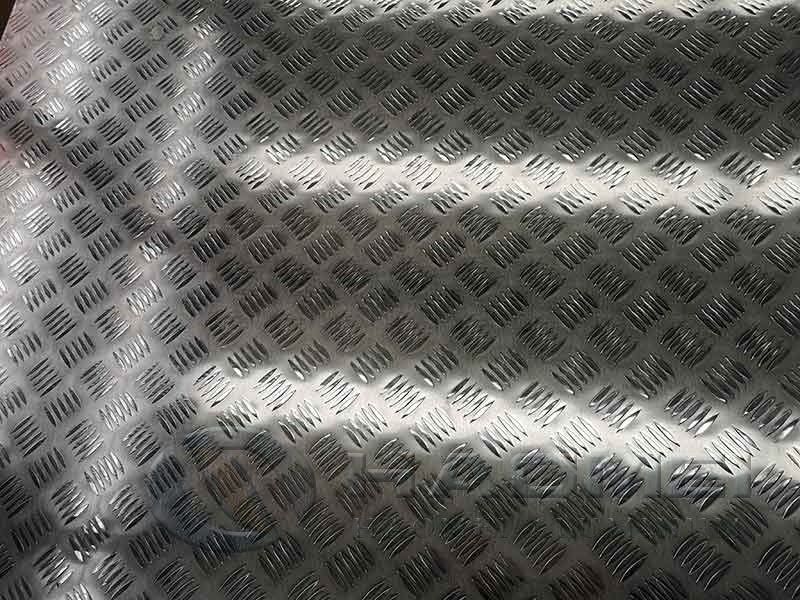
The embossed pattern on diamond plate improves traction, but slip performance in service still depends on contamination, footwear, incline angle, and maintenance. For safety-critical flooring, confirm whether local building or workplace rules require additional anti-slip measures. In the U.S., OSHA walking-working surface rules in 29 CFR 1910 are often reviewed for industrial floor applications, while project-specific building requirements may also apply.
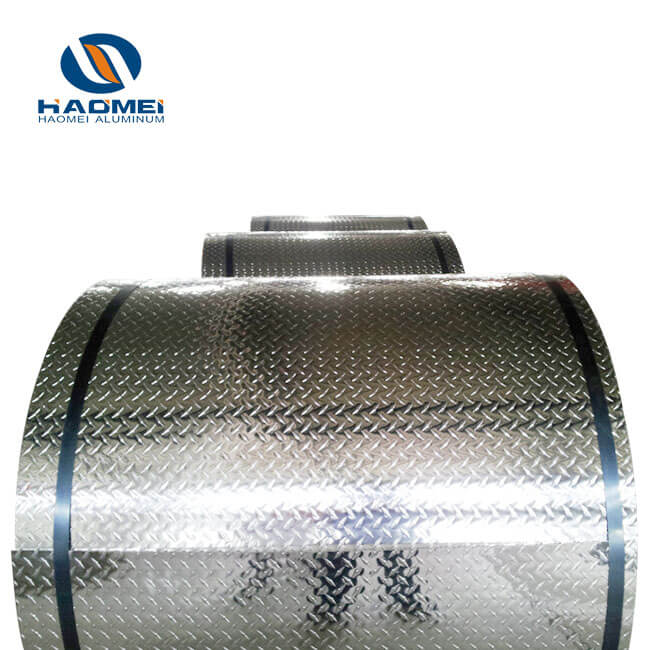
For transport, warehousing, and fabrication use, 4x8 aluminum diamond plate is usually chosen because it balances handling efficiency and cutting yield. The most dependable approach is to start with alloy selection, then lock base thickness, then compare freight-adjusted pricing.
A clear specification reduces waste, avoids mismatched quotations, and keeps installation schedules on track.
- What Will Affect 4x8 Aluminum Diamond Plate QualityAug 23, 2023
The 4x8 diamond plate is 1219 mmx2438mm. It is used in many applications like floor and stairs of ships, vehic...
- How to Choose Embossed Aluminum SheetJan 11, 2024
The common embossed aluminum plate is orange peel embossed aluminum plate. How to calculate its thickness and...
- Different Uses of The Patterned Aluminum SheetsApr 18, 2022
The aluminum tread plate patterns include five bar, diamond, orange peel, three bar and small five bar. What a...
- Aluminum Tread Plate 4x8Dec 14, 2020
The aluminum tread plate 4x8 is the size in great demand. What is the aluminum tread plate price? There is how...
- How to Choose Stucco Embossed Aluminum SheetMay 18, 2020
To get quality stucco embossed aluminum sheet, we must pay attention to the thickness, surface quality, price...
Inquiry
TABLE OF Contents

Haomei Aluminum CO., LTD.
Tel/Whatsapp: +86-15978414719
Email: sale@alumhm.com
Website: https://www.alumhm.com
Xin'an Industrial Assemble Region,Luoyang,Henan Province,China
Office Add: 1103, No.14 Waihuan Road, CBD, Zhengzhou, China