Anti Slip Aluminium Plate
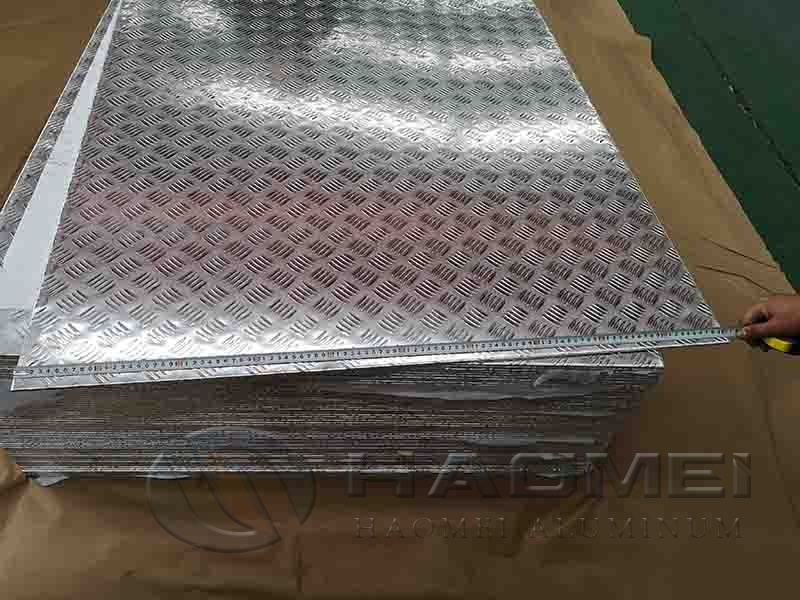
Specify anti slip aluminium plate with the right alloy, pattern, temper, thickness and slip test requirements for industrial floors, vehicles and access areas.
Anti slip aluminium plate is specified for walking surfaces where moisture, oil, footwear and repeated traffic can create a fall risk. For industrial flooring, vehicle steps, platforms and access covers, the top concern is not simply pattern height. It is verified traction in the actual service condition.

A raised-pattern aluminium product improves mechanical grip by interrupting the contact surface between footwear and the metal. However, no tread pattern automatically guarantees safe traction. Slip performance changes with contaminant type, drainage, shoe sole material, walking direction, wear and cleaning practice. The purchase specification should therefore state the test method, condition and acceptance requirement rather than requesting "non-slip" material alone.
1. Select Alloy, Temper and Pattern for the Exposure
Treaded aluminium is commonly supplied under ASTM B632, Standard Specification for Aluminum-Alloy Rolled Tread Plate. Where flat product properties and dimensional tolerances are required, ASTM B209 may also be referenced. In Europe, EN 1386 covers tread plates, while EN 485 series standards address tolerances and mechanical properties for aluminium and aluminium alloys.
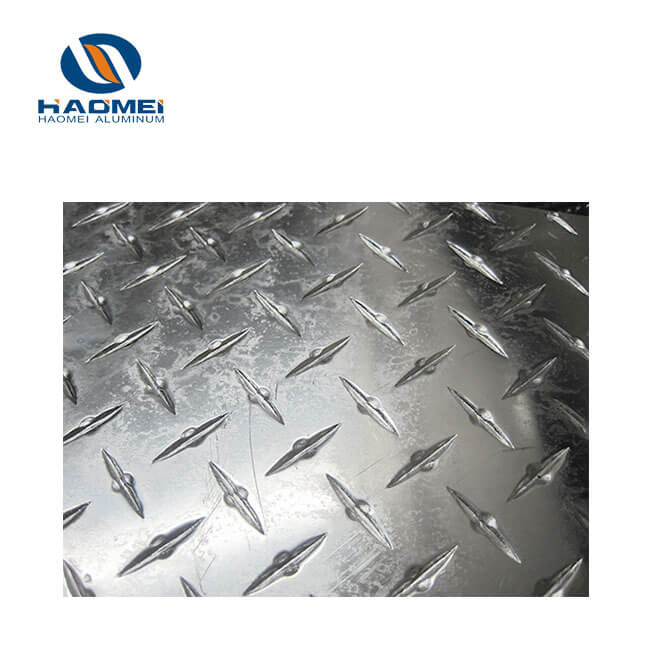
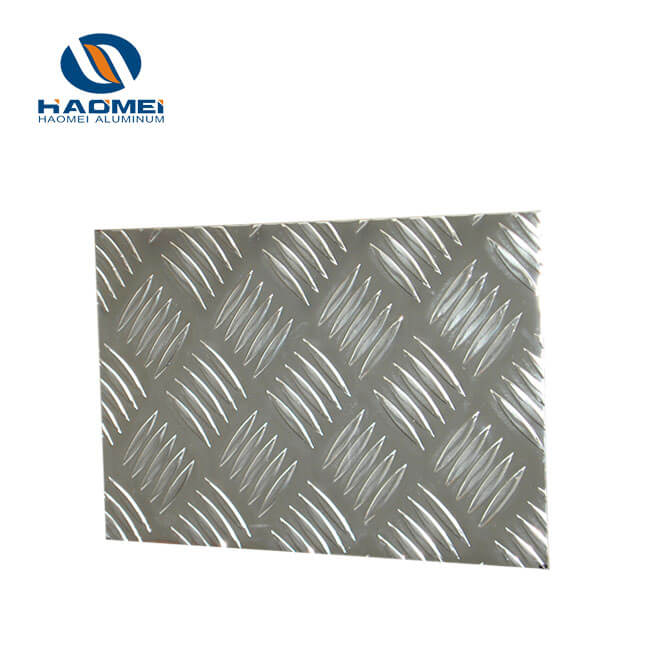
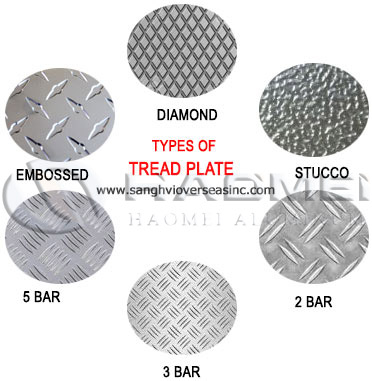
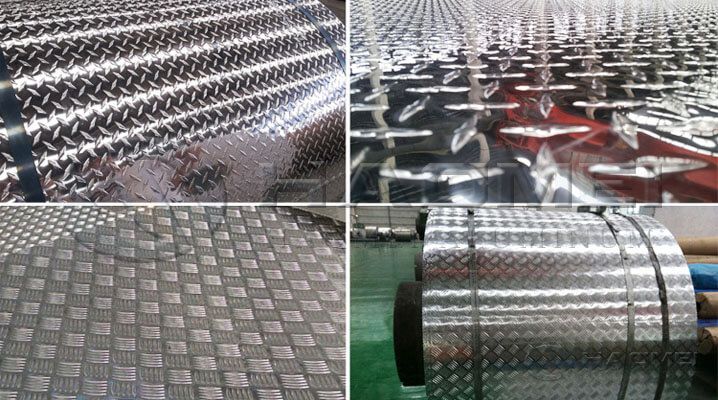
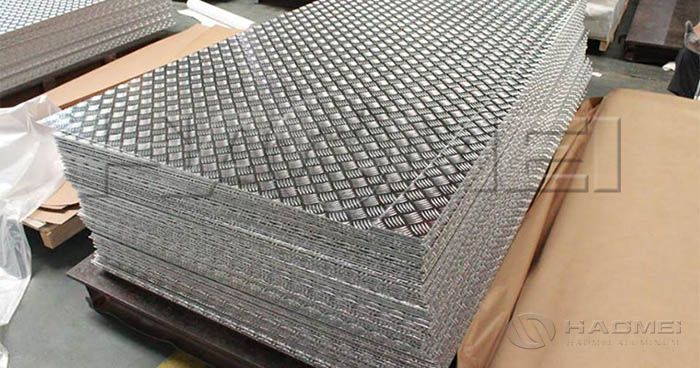
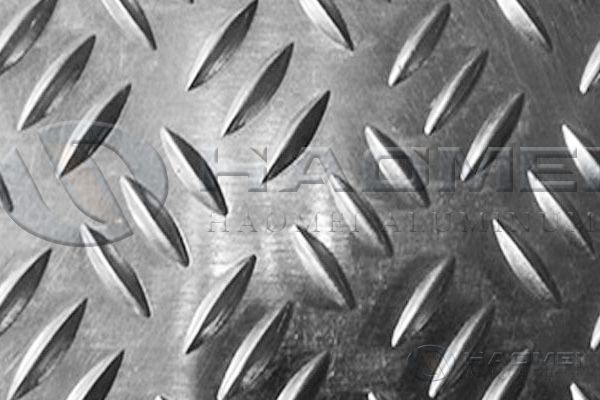
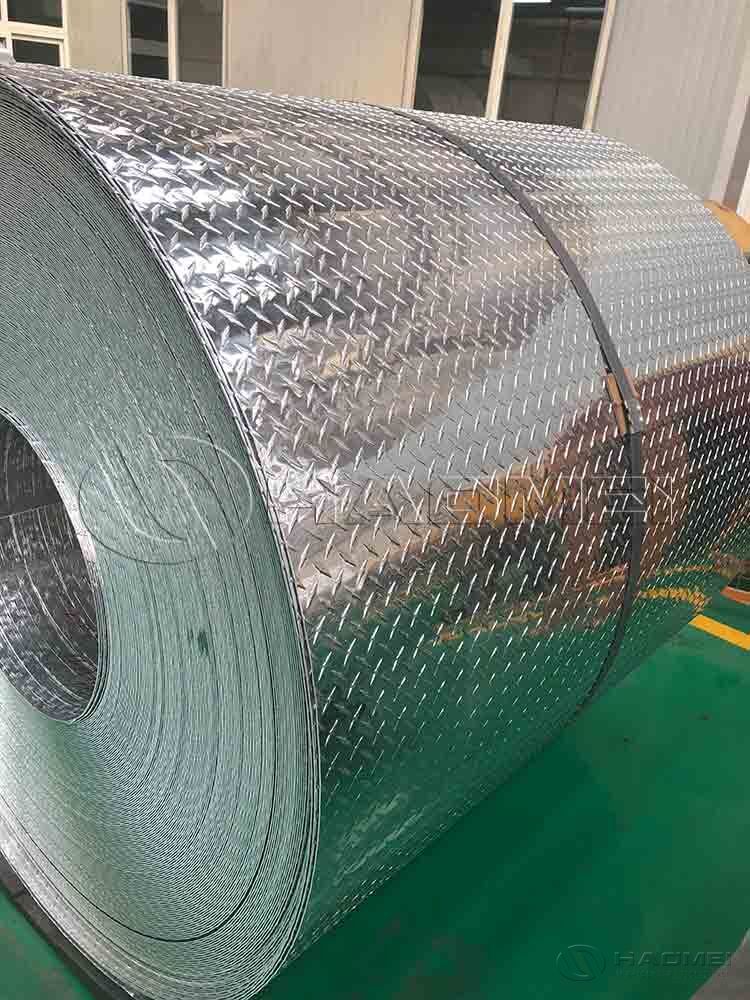
The raised pattern is normally rolled into one face. Diamond, five-bar and lentil patterns are common, but pattern geometry, pitch and raised height differ by producer. Include an approved sample or dimensional drawing where pattern fit, drainage or appearance matters.
| Service condition | Practical alloy-temper choice | Reason for selection | Specification caution |
|---|---|---|---|
| Indoor dry walkways, cabinets, decorative protection | 3003-H22 or 3003-H24 | Good formability and general corrosion resistance | Confirm required hardness if frequent foot traffic is expected |
| Vehicle steps, toolboxes, ramps and marine-adjacent equipment | 5052-H32 | Higher strength than 3003 and strong resistance to many atmospheric and marine environments | Confirm compatibility with dissimilar-metal fasteners |
| Chemical splash zones | 5052-H32, subject to chemical review | Good resistance in many neutral environments | Do not assume resistance to strong alkalis or every chemical |
| Heavy-duty fabricated structures | 5083 or 5754, when available in the required pattern | Higher-strength 5xxx options for demanding fabrication | Obtain certified mechanical properties for the exact thickness and temper |
For many general-access applications, Aluminum Tread Plate in 3003-H22 offers an economical and workable option. Where salt exposure, higher loading or frequent washdown is involved, 5052-H32 is commonly the more suitable starting point.
Do not select temper by alloy name alone. Temper affects yield strength, bend behavior and dent resistance. Request the mill test certificate showing alloy, temper, thickness, width, heat or lot identification, and applicable standard.
2. Specify Slip Resistance as a Measurable Requirement
A coefficient of friction, or COF, is useful only when the test method is fully defined. A dry test result cannot represent an oily loading dock, and a result obtained with one slider material cannot be directly compared with another method.
Common references include ASTM E303, which uses a pendulum tester, and ASTM E274, which measures friction of unpolished surfaces using a portable skid resistance tester. For installed hard-surface flooring, ANSI A326.3 provides a wet dynamic coefficient of friction methodology. These methods are not interchangeable.
Use this checklist in the purchase order:
- Define the contaminant: dry dust, clean water, detergent solution, hydraulic oil, mud or another known fluid.
- State the orientation: level walking surface, stair tread, ramp or vehicle access step.
- Name the test standard and instrument, such as ASTM E303 pendulum testing.
- Identify the test direction relative to the raised bars or diamonds.
- Require testing on production-representative material, not only a catalogue sample.
- State the acceptance threshold agreed by the project safety authority or facility engineer.
- Retain test reports with traceable sample identification.
For building work, the project designer or authority having jurisdiction should establish acceptance criteria. It is not technically sound to apply a generic COF number to every application because actual risk depends on slope, drainage, footwear and contamination. Ramps deserve additional attention: water or oil can collect between raised features, while traffic tends to polish the highest points over time.
| Pattern option | Typical traction behavior | Best use | Limitation to manage |
|---|---|---|---|
| Diamond tread | Multi-directional raised contact points | Steps, vehicle decks, general fabrication | Can retain dirt in recesses |
| Five-bar pattern | Continuous bars provide directional grip and drainage paths | Walkways, platforms and vehicle interiors | Traction varies by walking direction |
| Flat aluminium with abrasive coating | High initial traction where coating is suitable | Localized access areas | Coating wear and chemical compatibility need review |
For directional drainage and frequent pedestrian access, 5 Bar Aluminium Checker Plate can be evaluated against the site walking direction and cleaning routine.
3. Control Thickness, Fabrication and Inspection
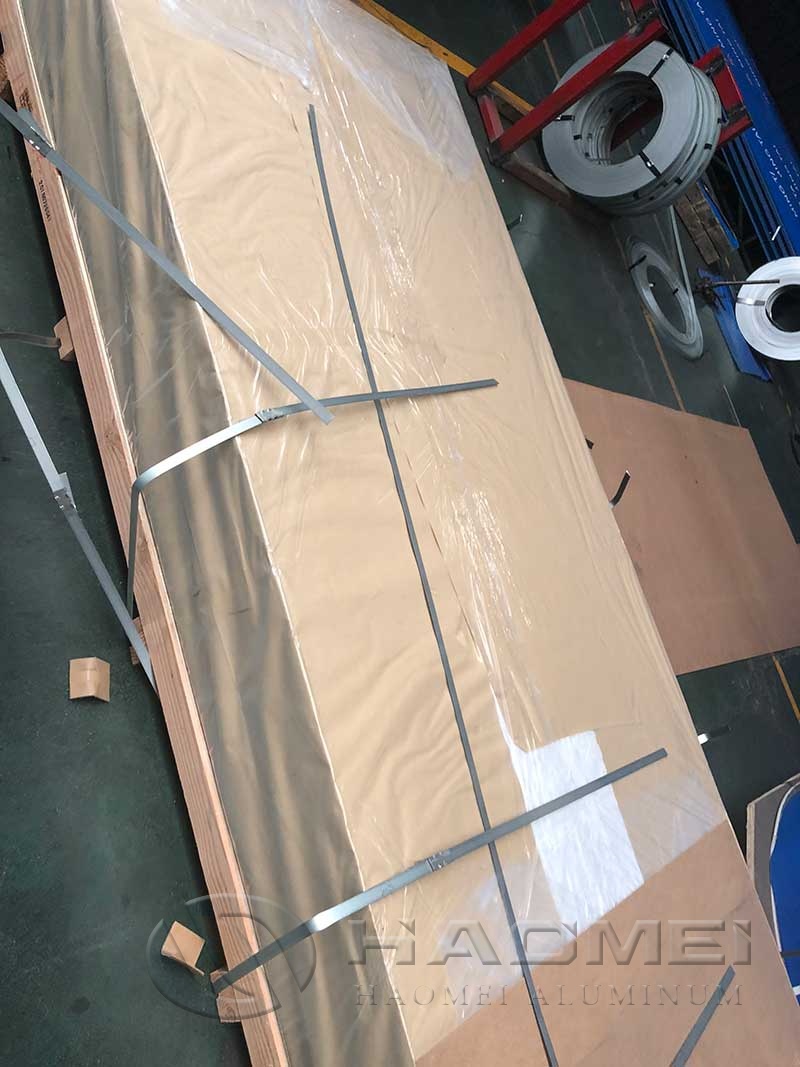
Thickness selection must address support spacing and imposed load, not foot traffic alone. A 2 mm tread plate may work as a decorative wall guard or fully supported liner, but it is not automatically appropriate for a self-supporting platform. Structural deflection, concentrated wheel loads and attachment layout must be reviewed by the responsible engineer.
Specify thickness as the base metal thickness unless the drawing explicitly says otherwise. Raised pattern height is additional and should not be counted as structural thickness. For fabricated parts, confirm whether dimensions are measured before or after pattern rolling and whether edge trim is acceptable.
| Inspection item | What to request | Why it matters |
|---|---|---|
| Material identity | Mill test certificate to ASTM B632, ASTM B209, EN 1386 or stated equivalent | Confirms alloy, temper and traceability |
| Thickness | Caliper readings at agreed locations excluding raised projections | Prevents confusion between base gauge and overall height |
| Pattern | Sample approval, bar or diamond orientation, visible surface standard | Avoids mismatch in drainage, appearance and traction direction |
| Surface condition | No deep dents, oil contamination, white corrosion or sharp burrs | Supports safe installation and finishing |
| Flatness and cut size | Tolerance stated in the order and checked on receipt | Reduces fabrication rework |
| Slip evidence | Report naming method, condition, sample and date | Makes the traction claim auditable |
During fabrication, avoid embedding carbon-steel particles from shared grinding tools, especially for outdoor or marine service. Isolate aluminium from bare steel where galvanic corrosion may occur in a conductive wet environment. Use compatible fasteners, drainage details and edge finishing. Raised patterns can create sharp cut edges after sawing; deburr all exposed edges and verify that stair nosings or transition strips do not become trip hazards.
A complete specification identifies the alloy-temper, base thickness, pattern orientation, standard, cut tolerance, surface condition, documentation and application-specific friction test. This approach converts a broad anti-slip request into material that can be inspected, installed and maintained with predictable performance.

- Different Patterns of 3mm Aluminum Diamond Checker PlateFeb 13, 2023
The aluminum checker plate has many patterns like 5 bar, compass, orange peel,etc. The popular alloys are 100,...

- What Is the 3mm Aluminum Checker Plate PriceFeb 18, 2020
3 mm aluminum checker plate price has close relationship with aluminum alloy, pattern and other factors such a...

- Is Non Slip Aluminum Plate Same With Stucco Aluminium PlateDec 16, 2024
Common patterns of non slip aluminum plate are 5 bar, lentils, and three bar. The main patterns of stucco alum...
- Aluminum Tread Plate 4x8Dec 14, 2020
The aluminum tread plate 4x8 is the size in great demand. What is the aluminum tread plate price? There is how...
- What Are Uses of Pattern Aluminum SheetDec 14, 2023
The pattern aluminum plate is widely used in home furnishing, transportation and construction field like furni...
Inquiry
TABLE OF Contents

Haomei Aluminum CO., LTD.
Tel/Whatsapp: +86-15978414719
Email: sale@alumhm.com
Website: https://www.alumhm.com
Xin'an Industrial Assemble Region,Luoyang,Henan Province,China
Office Add: 1103, No.14 Waihuan Road, CBD, Zhengzhou, China