Aluminum Circle Disc
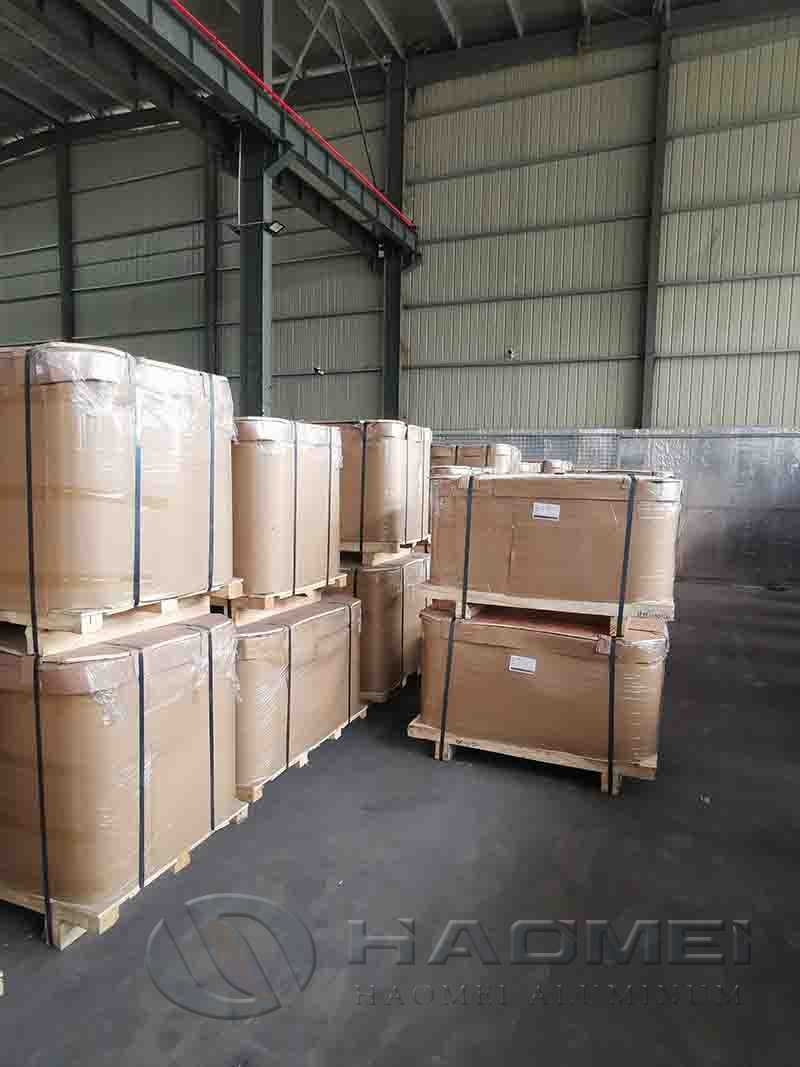
Select aluminum circle disc stock for cookware and utensils with alloy, temper, tolerance, surface checks, QA standards, and pricing factors.
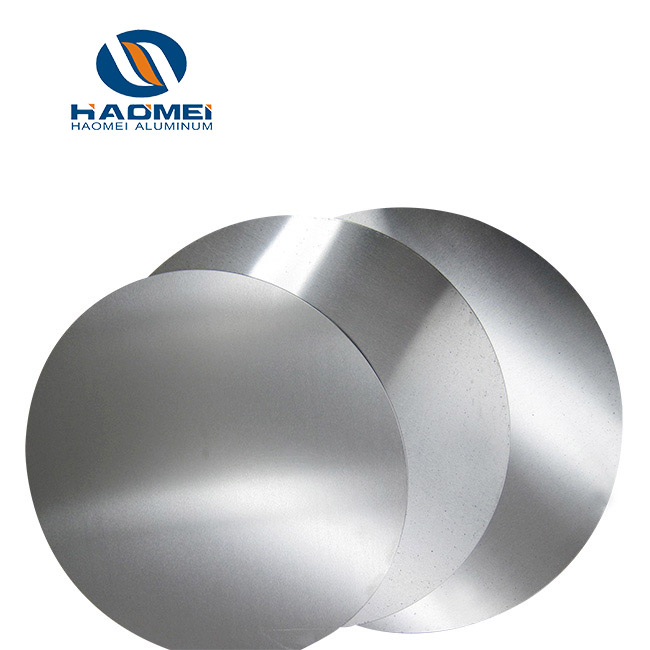
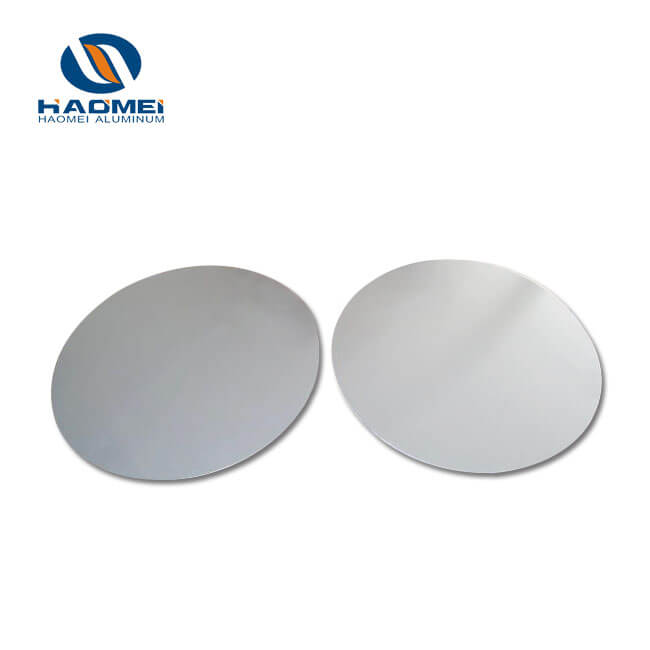
An aluminum circle disc looks simple, but poor drawability can stop a cookware press line, increase scrap, and create visible defects after polishing or coating. For high-volume manufacturers, the main concern is not only price per ton. It is whether every round blank forms consistently without edge cracking, orange peel, earing, black lines, or oil stains.
This article focuses on one product feature: deep drawability. That single feature affects alloy selection, temper, thickness tolerance, surface condition, lubrication, packing, inspection, and cost control.

Material choices that affect forming results
Commercial aluminum rounds are usually blanked from rolled feedstock and supplied to standards agreed in the contract. Common references include ASTM B209/B209M for aluminum rolled products, EN 573 for alloy chemical composition, EN 485 for mechanical properties and tolerances, and Aluminum Association alloy designations. For quality documents, EN 10204 3.1 certificates are widely used in international trade to confirm chemical and mechanical test data.
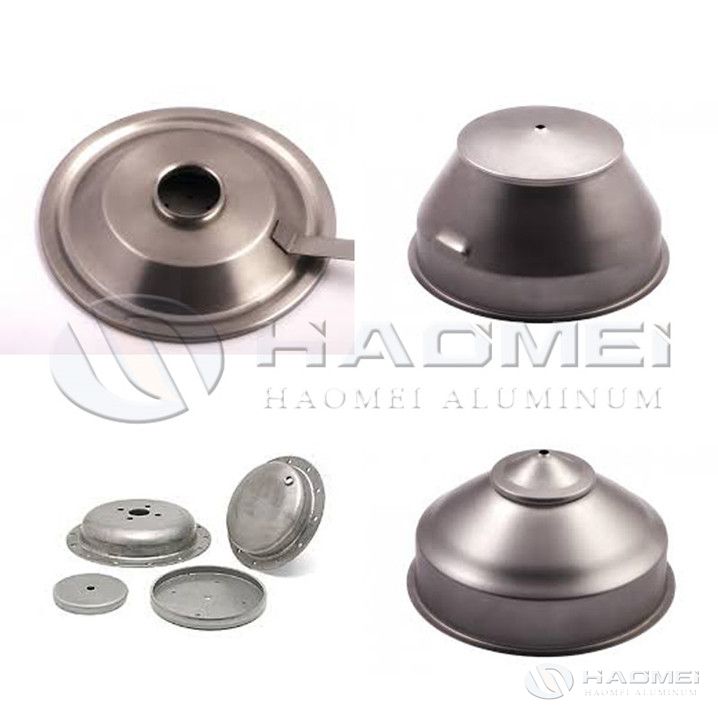
Aluminum has a density of about 2.70 g/cm3, much lower than steel, and pure aluminum grades can reach thermal conductivity near 235 W/m·K. These properties make round blanks attractive for cookware, lamp reflectors, pressure cooker parts, small appliance housings, and spun components.
For regular cookware and utensils, high formability is usually more important than maximum strength. The product category Aluminum Discs/Circle typically covers 1xxx, 3xxx, and 5xxx alloy options, but the best choice depends on drawing depth, final hardness, corrosion exposure, and surface treatment.
| Application | Common alloy | Typical temper | Why it is selected | Watch point |
|---|---|---|---|---|
| Deep drawn pots, pans, lids | 1050, 1060, 1070, 1100 | O, H12 | High ductility and good thermal conductivity | Too much work hardening may cause edge cracks |
| Nonstick cookware bodies | 3003 | O, H14 | Better strength than 1xxx with good formability | Confirm coating compatibility and cleaning process |
| Lamp reflectors and covers | 1050, 1060 | H14, H16 | Good reflectivity after polishing or anodizing | Surface scratches become highly visible |
| Marine or chemical-use covers | 5052 | O, H32 | Magnesium improves corrosion resistance | Higher strength may need adjusted tooling |
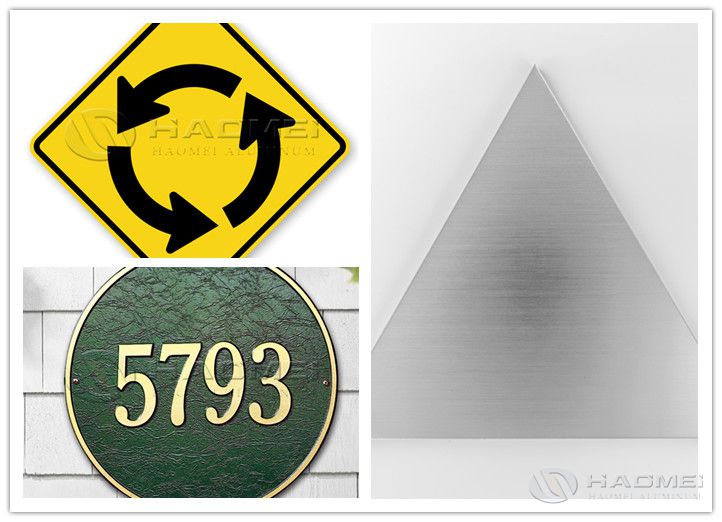
| Sign blanks and shallow drawn parts | 3003, 5052 | H14, H32 | Balanced strength and weather resistance | Bending radius and flatness must be specified |
When corrosion resistance is the top concern, a 5052 Aluminum Circle can be a practical option, especially for covers, housings, and exterior parts. For very deep cookware drawing, however, 1xxx or soft 3003 often gives safer forming margins.
How to specify a disc that will not crack
Start with the finished part, not the blank. Press tonnage, drawing ratio, die radius, lubrication, annealing condition, and trimming allowance all influence whether a round blank survives forming.
Use this specification sequence before issuing an RFQ:
Define the forming method: deep drawing, spinning, stamping, impact forming, or shallow pressing.
State alloy and temper: for example, 1060 O for high ductility or 3003 H14 for moderate strength.
Provide diameter and thickness: include the acceptable tolerance, not only the nominal size.
Set burr direction and burr height: burrs can start cracks during drawing.
Define surface requirement: mill finish, bright finish, anodizing grade, nonstick coating grade, or film-protected surface.
Require coil set and flatness control: poor flatness causes feeding issues and uneven drawing.
Confirm lubrication: dry, lightly oiled, or customer-specified oil film.
Request sample drawing trials before full production release.
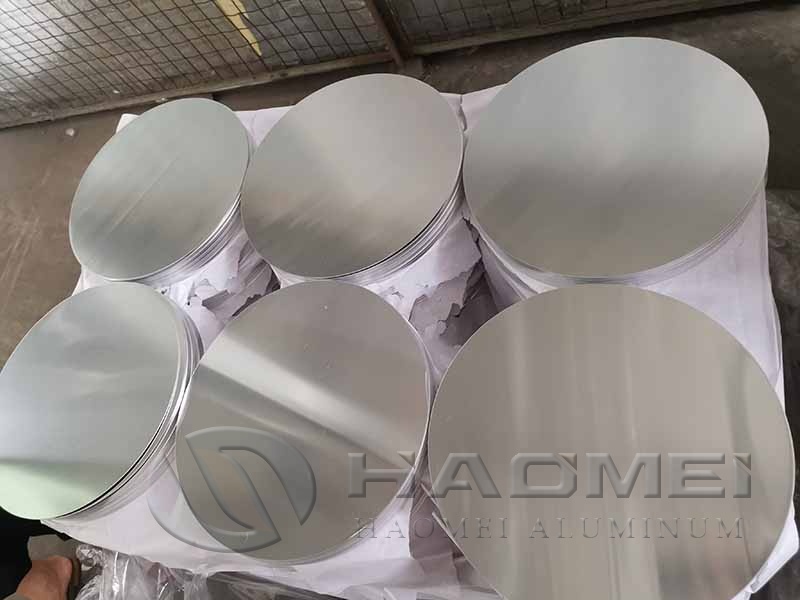
A practical weight estimate helps compare offers and freight plans:
| Formula item | Calculation |
|---|---|
| Piece weight in kg | Diameter mm × diameter mm × thickness mm × 0.00000212 |
| Example | 300 mm × 300 mm × 1.0 mm × 0.00000212 = 0.1908 kg |
| Note | Use the supplier certificate for exact alloy density if accounting precision is required |
The most common deep-drawing problems are predictable. Edge cracking usually points to hard temper, excessive burr, poor die radius, or insufficient lubrication. Orange peel often relates to grain size or over-annealing. Earing is linked to rolling texture and anisotropy. Black streaks can come from dirty rolling oil, oxide pickup, or poor washing before coating.
| Defect | Likely cause | Action before mass release |
|---|---|---|
| Edge crack | Hard temper, sharp burr, tight die radius | Request softer temper, lower burr limit, trial with revised tooling |
| Orange peel | Coarse grain after annealing | Ask for grain-size control and sample cups |
| Earing | Directional properties from rolling | Test drawn cup height variation and confirm blanking orientation control |
| Oil stain | Excessive or unstable oil film | Define oil type, oil weight range, and packing ventilation |
| White corrosion | Moisture trapped in packing | Require dry packing, desiccant, and seaworthy protection |
| Coating failure | Surface contamination or roughness mismatch | Add degreasing test and coating adhesion test |
Inspection, compliance, and price control checklist
For high-volume industrial use, inspection must be written into the purchase specification. Visual approval alone is too weak because round blanks can look acceptable before drawing but fail in press trials.
| Item to verify | Recommended document or method | Why it matters |
|---|---|---|
| Alloy composition | Mill test certificate, EN 10204 3.1 when required | Confirms grade matches the order |
| Mechanical properties | Tensile strength, yield strength, elongation | Predicts forming behavior |
| Thickness | Micrometer readings across sample positions | Thickness variation changes cup wall distribution |
| Diameter | Caliper or optical measurement | Affects nesting, trimming, and press feeding |
| Burr | Burr height gauge or microscope check | Reduces crack initiation risk |
| Surface | Visual inspection under agreed lighting | Prevents coating and polishing defects |
| Flatness | Surface plate or agreed flatness method | Supports automated feeding |
| Trial forming | Drawn cup or spun sample | Best predictor of production stability |
| Packaging | Moisture barrier, pallet strength, edge protection | Prevents transit corrosion and deformation |
For food-contact cookware, compliance is usually assessed on the finished article, including coating, cleaning, migration, and intended use temperature. In the EU, Regulation EC 1935/2004 sets the general requirement that food-contact materials must not endanger human health or change food unacceptably, and Regulation EC 2023/2006 covers good manufacturing practice. For electrical or electronic parts, RoHS Directive 2011/65/EU and REACH obligations may also be relevant. Always align the requested test report with the destination market and final application.
Price should be evaluated as a full cost, not only a metal number. Aluminum pricing in international contracts often references public benchmarks such as LME aluminum prices or regional exchanges, plus conversion cost and logistics. Since aluminum prices move daily, the quotation should clearly state pricing date, validity period, currency, premium basis, and whether packing, certificates, and freight are included.
| Cost factor | What to ask | Cost impact |
|---|---|---|
| Metal benchmark | LME, SHFE, or fixed-price basis | Controls exposure to market movement |
| Conversion charge | Blanking, annealing, cleaning, inspection | Reflects processing complexity |
| Yield | Nesting efficiency and scrap handling | Large diameters may raise scrap cost |
| Tolerance level | Standard or tightened tolerance | Tighter limits increase inspection and sorting |
| Surface grade | Mill, bright, anodizing, coated-ready | Higher surface grades need cleaner handling |
| Packing | Standard pallet or seaworthy packing | Important for export and humid routes |
| Certification | MTC, RoHS, REACH, food-contact support | Adds testing and documentation cost |
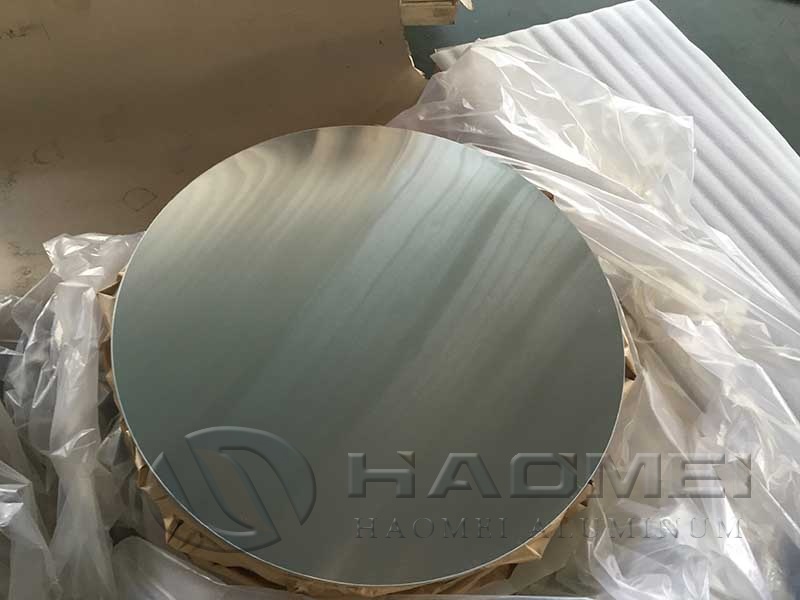
Before approving production, send a drawing trial request with these items: final part drawing, blank diameter, thickness, alloy, temper, surface requirement, expected monthly quantity, destination standard, packaging method, and defect acceptance limits. Add photos of previous failures if available. This makes the aluminum circle disc specification measurable, reduces claim disputes, and gives the production mill a clear path to supply rounds that form cleanly on the first run.


- 1060 3003 Aluminum Circle for CookwareApr 19, 2021
The common alloys of aluminum circle for cookware are 1060 and 3003 aluminum circle, which is can be divided i...
- How Do Aluminum Circle For Cookware Suppliers Improve QualityAug 17, 2020
How to ensure the aluminum circle for utensils and cookware without scratches? As one of the big China aluminu...
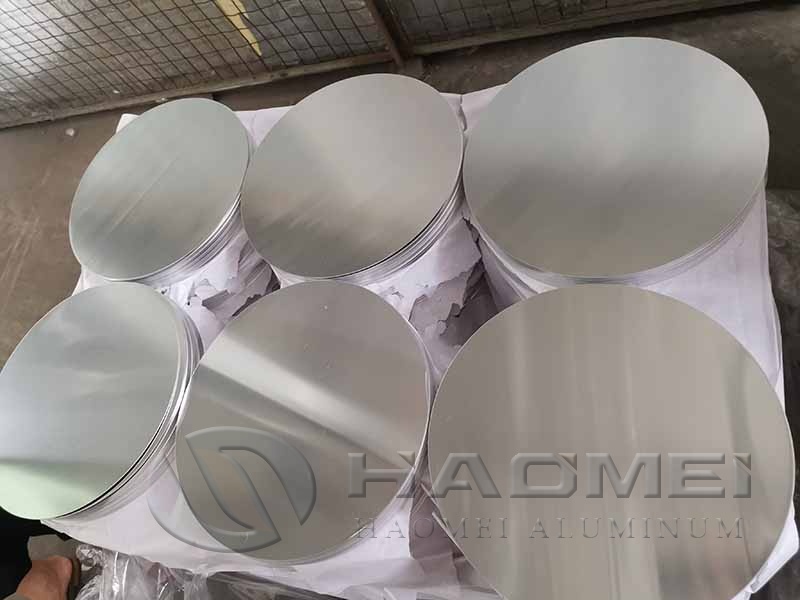
- Aluminium Circle For CookwareMar 05, 2026
Aluminium circle for cookware: answers on alloy, temper, thickness, food safety, induction use, and quality ch...
- Where to buy 10mm Round Alimunuim Blanks DiscsDec 19, 2019
Here we give you the highlights of aluminum round circle you need to know like temper, thickness, etc. If you...
- How to Clean Aluminum Circle For Cookware FactoryJun 02, 2020
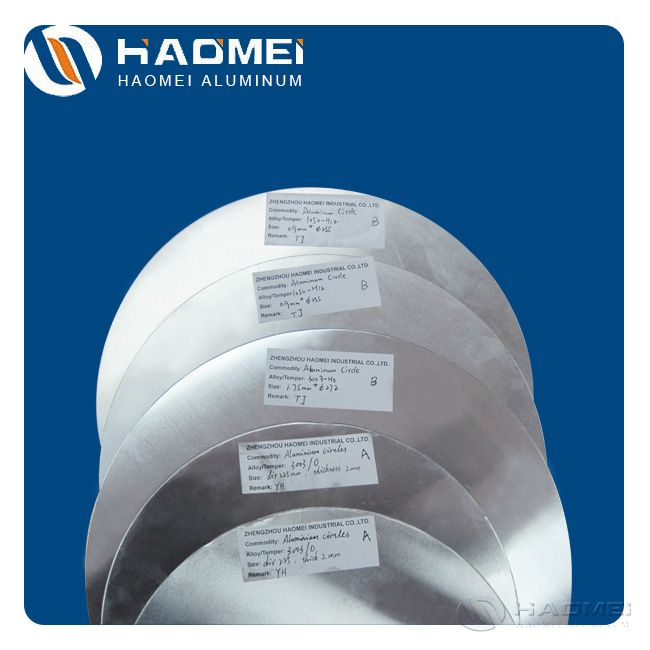
During the storage and transportation, aluminum circle for cookware factory may be contaminated by the stains....
Inquiry
TABLE OF Contents

Haomei Aluminum CO., LTD.
Tel/Whatsapp: +86-15978414719
Email: sale@alumhm.com
Website: https://www.alumhm.com
Xin'an Industrial Assemble Region,Luoyang,Henan Province,China
Office Add: 1103, No.14 Waihuan Road, CBD, Zhengzhou, China