1060 Aluminum Alloy Price
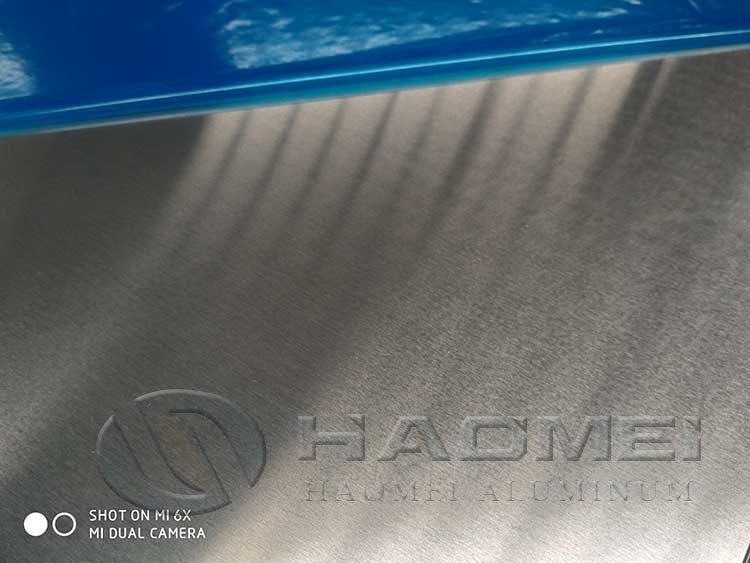
Assess 1060 aluminum alloy price drivers, purity, temper, gauge and conversion costs. Use an RFQ checklist to compare compliant offers and manage supply risk.
The quoted 1060 Aluminum Alloy Price should be evaluated as a traceable cost structure, not as a single number per tonne. For aluminum sheet, coil, strip, circle, and foil applications, the largest avoidable expense is often a mismatch between the specified temper, dimensional tolerance, surface condition, and the actual end-use requirement.
1060 is a commercially pure aluminum grade used where high aluminum content, formability, thermal conductivity, and corrosion resistance matter more than structural strength. It is commonly selected for chemical equipment, lighting reflectors, transformer components, cookware blanks, signage, insulation cladding, and fabricated parts.

What Determines the Quoted Cost of 1060 Aluminum?
A reliable offer separates the metal benchmark from processing and delivery charges. Comparing only a total unit price can hide differences in alloy compliance, coil weight, slitting loss, packing, or delivery terms.
| Cost element | What it covers | What to confirm in an RFQ |
|---|---|---|
| Primary aluminum benchmark | Exchange-based primary aluminum reference, often linked to LME settlement prices | Reference month, pricing date, currency, and averaging method |
| Regional premium | Local availability, delivery point, financing, warehouse, and logistics conditions | Premium source, delivery basis, and whether it is fixed or floating |
| Conversion charge | Casting, hot rolling, cold rolling, annealing, leveling, trimming, and inspection | Product form, temper, thickness range, width, and tolerance |
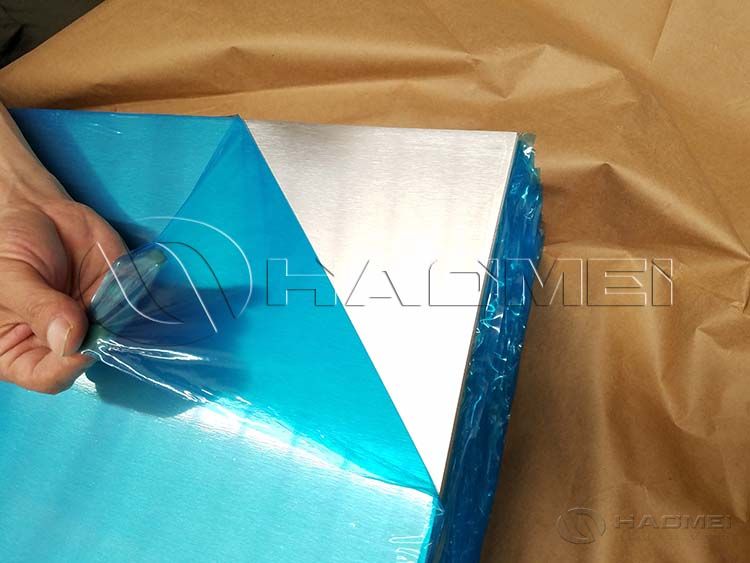
| Surface and protection | Mill finish, PVC film, paper interleave, oiling, brushing, or embossing | Film thickness, one-side or two-side coverage, and surface acceptance standard |
| Packing and freight | Export packing, pallets, seaworthy wrapping, inland transport, and ocean freight | Incoterm, gross weight basis, port, insurance, and container loading plan |
The London Metal Exchange price is a benchmark for primary aluminum, not a finished 1060 product price. Finished material includes conversion and physical-delivery costs. A quotation stating only "LME plus premium" is incomplete unless it also identifies the conversion charge and all extras.
For price control, ask suppliers to provide this formula:
Final unit price = metal benchmark + regional premium + conversion + surface/packing extras + freight and insurance
This format makes quotation comparison practical even when offers use different currencies or delivery terms. It also prevents an artificially low metal line from being offset by unclear packaging, tolerance, or freight charges.
Verify Alloy Compliance Before Comparing Offers
The "1060" designation refers to an aluminum alloy containing at least 99.60% aluminum. Chemical composition limits are established through recognized alloy designation systems and should be verified against the applicable product standard. For wrought aluminum products, commonly referenced standards include ASTM B209/B209M for aluminum and aluminum-alloy plate and sheet, EN 573-3 for chemical composition, and ISO 6361 for wrought aluminum sheet and strip.
| Element | Typical maximum or minimum limit for 1060 | Why it matters |
|---|---|---|
| Aluminum | 99.60% minimum | Defines the 1060 purity level |
| Silicon + iron | 0.35% maximum | Affects conductivity, formability, and surface consistency |
| Copper | 0.05% maximum | Controls alloy purity and corrosion-related performance |
| Manganese | 0.03% maximum | Helps distinguish this grade from manganese-bearing alloys |
| Magnesium | 0.03% maximum | Important when comparing against stronger 5xxx materials |
| Zinc | 0.05% maximum | Must remain within the registered composition limit |
Do not accept a certificate that only says "pure aluminum." Request a mill test certificate showing heat number, chemical analysis, temper, dimensions, and inspection results. The certificate should match the product identification on each package.
Temper has a direct impact on conversion cost and fabrication performance. O temper is annealed and offers maximum formability. H12, H14, H16, and H18 tempers provide progressively higher strain-hardened strength, generally with reduced forming latitude. Mechanical properties vary by thickness and applicable standard, so request the guaranteed values rather than relying on a generic datasheet.
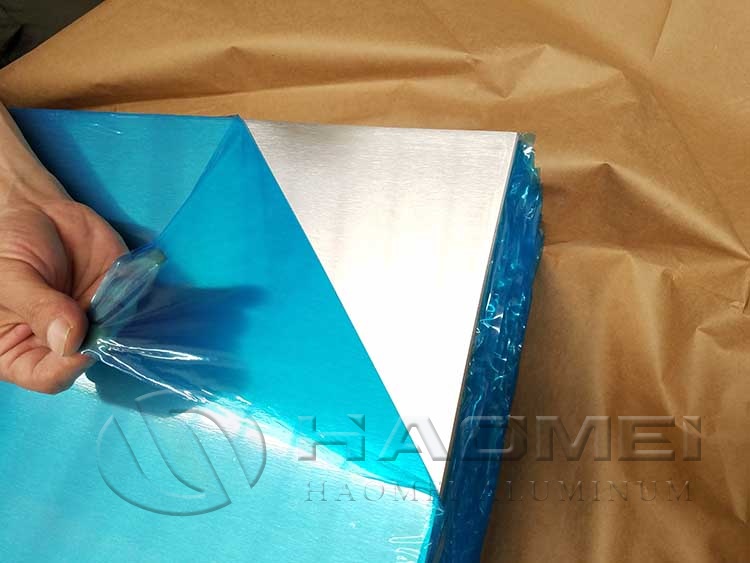
When deep drawing, spinning, bending, or stamping is involved, specify the operation in the RFQ. A lower-priced harder temper can increase cracking, tooling wear, and scrap rates. For applications requiring greater corrosion resistance and strength than 1060 can provide, compare the specification with 3003 Aluminum Sheet/Plate Metal before approving the grade.
RFQ Checklist for Comparable 1060 Material Offers
Use this checklist to obtain comparable quotations and reduce disputes after shipment.
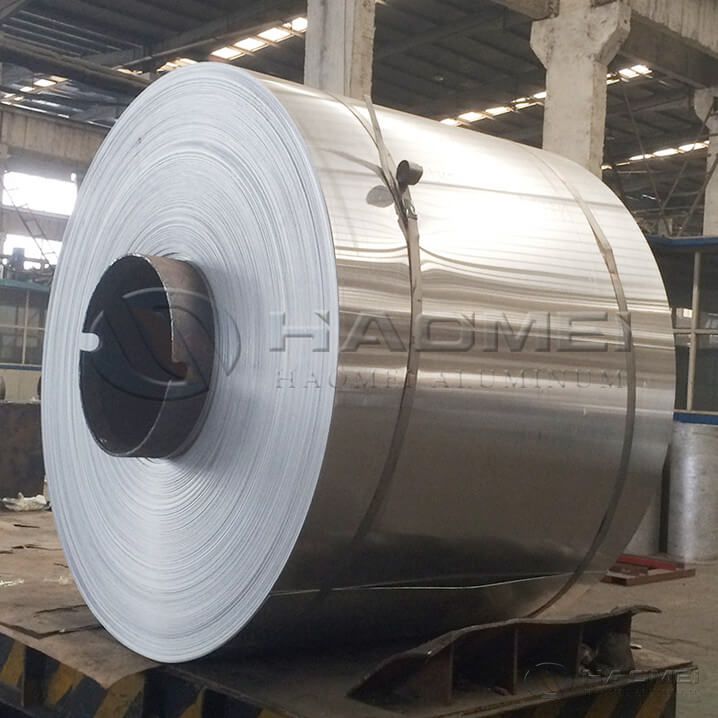
State the product form. Identify sheet, coil, strip, circle, or foil. Include nominal thickness, width, length, inside diameter, outside diameter, and target unit weight where applicable.
Set dimensional tolerances. Specify thickness, width, flatness, camber, burr height, edge condition, and allowable coil telescoping. Tight tolerances can materially raise conversion charges.
Specify temper and standard. State, for example, 1060-O or 1060-H14, plus the requested ASTM, EN, or ISO reference. Do not mix temper designations without confirming equivalence.
Define surface acceptance. Clarify mill finish, surface cleanliness, oil level, scratches, dents, roll marks, color variation, and protective-film requirements. For decorative or reflective work, approve a sample or surface standard before production.
Confirm testing documents. Require a mill test certificate, packing list, commercial invoice, and inspection report. For critical fabrication, add conductivity, grain size, or bend-test requirements only when the relevant standard and test method are stated.
Separate commercial terms. Request EXW, FOB, CFR, CIF, DAP, or other Incoterm® 2020 terms clearly. State whether freight is estimated or fixed and identify the quotation validity period.
Address carbon-data requirements. Aluminum falls within the scope of the EU Carbon Border Adjustment Mechanism under Regulation (EU) 2023/956. The transitional reporting period ended on December 31, 2025, and the definitive regime began on January 1, 2026. For EU-bound material, request plant-level emissions data and production-route documentation early in the sourcing process.
For general flat-rolled requirements, Aluminum Sheet/Plate options can also help determine whether a different alloy, thickness range, or surface treatment offers lower total fabrication cost.
A controlled purchasing specification should show the metal-pricing formula, 1060 chemical compliance, temper, dimensional tolerances, surface standard, document package, and delivery basis on the same RFQ. This allows each offer to be measured on comparable technical and commercial terms rather than on an incomplete headline rate.
- 1100 Aluminum Plate VS 3003 Aluminum AlloyJun 30, 2021
1100 aluminum plate and 3003 aluminum alloy both belong to the commonly used aluminum plates. What are their d...
- What Is The Best Aluminum for BendingFeb 19, 2024
Generally, 1xxxx, 3xxx, 5xxx aluminum alloys are mostly bendable. 5052 aluminium alloy with H32 temper is ofte...
- 5251 5454 5083 Aluminum SheetSep 29, 2024
5251, 5454 and 5083 plates are the popular 5xxx aluminum alloys. What are their features and uses? 5251 alumin...
- 3105 Vs 3003 AluminumJan 15, 2026
Compare 3105 vs 3003 aluminum sheet/coil: chemistry, strength, forming, corrosion, and best uses for roofing,...
- Marine Grade Aluminium Plate ThicknessJul 23, 2020
The marine grade aluminum plate thickness is generally determined by the hull structure, ship specifications a...
Inquiry
TABLE OF Contents

Haomei Aluminum CO., LTD.
Tel/Whatsapp: +86-15978414719
Email: sale@alumhm.com
Website: https://www.alumhm.com
Xin'an Industrial Assemble Region,Luoyang,Henan Province,China
Office Add: 1103, No.14 Waihuan Road, CBD, Zhengzhou, China