Highlighting Foil Roll Supplier
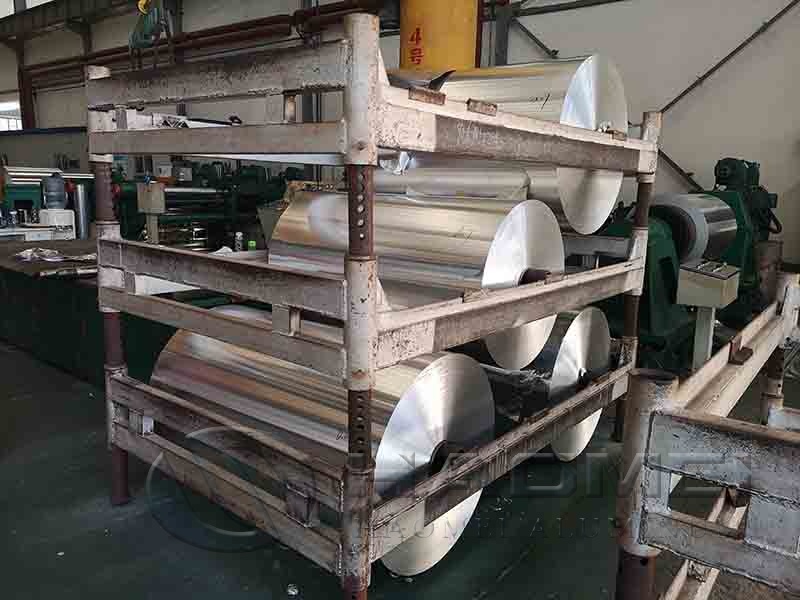
Answers to trending questions about highlighting foil roll supplier selection, MOQ, lead time, QC tests, compliance, and defect prevention for new sourcing.
Why these questions are trending right now
On Quora, Google, and sourcing forums, recent discussions have clustered around the same pain points: inconsistent gloss, pinholes, coating transfer, and unclear compliance claims. For a first-time order of aluminum foil rolls, the fastest way to reduce risk is to ask the supplier questions that force measurable, document-backed answers.

Q1. What specifications should I request from an aluminum foil roll supplier to avoid mismatched shine or color?
People keep asking versions of this because "bright" or "high gloss" is not a specification. For highlight effects, you should request a spec sheet that separates base foil parameters from surface finish and coating or lacquer parameters.
Ask for these items in writing:
Alloy and temper. Common base foils are 8011, 1235, and 8079, but performance depends on temper and final thickness control.
Thickness and tolerance. Do not accept only a nominal value. Ask for tolerance across the roll and along the roll length.
Surface roughness and gloss target. If the supplier cannot provide a gloss range (for example, at 60 degree angle) or a roughness method, you may see batch-to-batch shine differences.
Coating type and coat weight (if coated). Highlighting effects often rely on lacquer or primer. Ask for coat weight range and curing method.
Color control method (if tinted). Request the color standard used (Pantone, RAL, or a physical master sample) and allowable Delta E.
A practical approach is to request a small "approval roll" or sample sheets made on the same line settings as production. It is much more predictive than hand samples.
Q2. What is a normal MOQ for aluminum foil rolls, and how can I negotiate without sacrificing quality?
This question has been popular because new purchasers often see MOQs ranging from a few hundred kilograms to multiple tons and assume the lowest MOQ is always best. In reality, MOQ is driven by rolling schedule, slitting setup time, coating changeover, and packaging configuration.
Typical patterns you will see:
Jumbo roll supply usually has a higher MOQ but the best unit price.
Slit rolls or rewound small rolls may allow a lower MOQ but include conversion cost.
Custom coatings, embossing, or special cores raise MOQ because of changeovers.
Negotiation that protects quality:
Ask for a trial order that uses a standard alloy, standard thickness, and standard core size, while only customizing width.
Offer flexibility on delivery: accepting production in the supplier's next rolling window can lower MOQ.
If you need smaller quantities, request a split from one mother roll with multiple widths, but confirm the supplier's slitting tolerance and edge condition.
If your use case overlaps with packaging, you can compare parameters with products such as Light Gauge Foil|Double Zero Aluminum Foil to understand how thickness and handling affect breakage and gloss consistency.
Q3. What lead time should I expect, and which steps usually cause delays?
Recent Q and A threads often mention "promised in 2 weeks, delivered in 7" as a recurring frustration. Lead time is not only rolling time. For highlighting foil rolls, the schedule usually includes:
Raw material allocation (ingot or foil stock availability)
Rolling and annealing (or final temper processing)
Surface treatment or coating (if required)
Slitting and rewinding (especially for narrow widths)
Packaging and palletizing (export packing, fumigation requirements)
Lab tests and release (QC documents)
To make lead time predictable, ask the supplier to provide:
A process route with estimated dates for each stage
The Incoterms and port schedule assumptions
Whether they keep ready foil stock or they roll to order
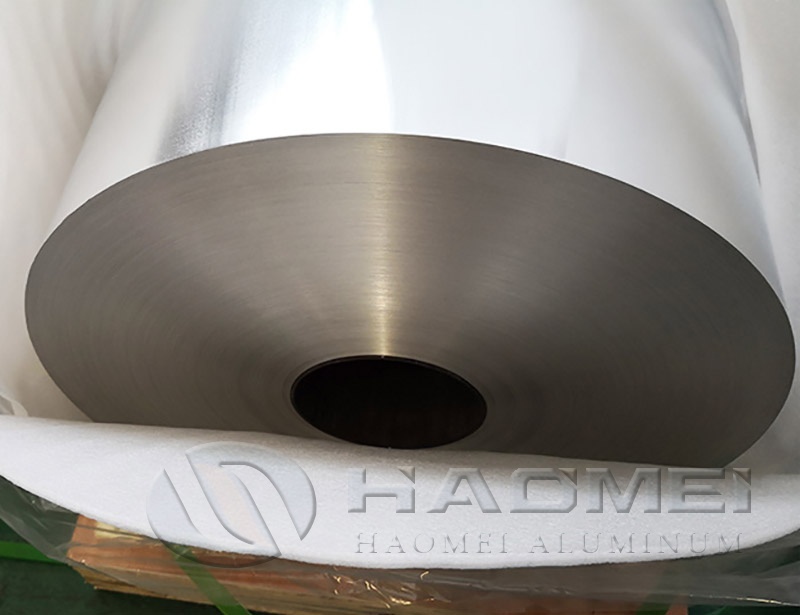
If you are buying larger master rolls, it helps to verify the exact packaging form early.
Q4. How do I verify quality fast when I cannot visit the factory, and what defects should I watch for?
This question is trending because remote audits became normal, but the risk of cosmetic defects is higher for products where appearance matters.
Common defects for highlighting foil rolls
Pinholes: can show as tiny dark spots under strong light.
Oil stains or rolling marks: cause uneven shine.
Coating transfer or blocking: layers stick together, dulling the finish.
Edge burrs: lead to tearing during converting.
Telescoping: roll edges shift, causing wrinkles during unwinding.
Quick verification methods that work remotely
Ask the supplier to provide:
COA for each lot: thickness readings, mechanical properties if relevant, and surface inspection results.
Video of roll unwinding under angled lighting to reveal gloss bands and scratches.
Pinhole inspection method: light table or electronic detection, including acceptance criteria.
Coating adhesion test results, if coated: tape test or rub test with defined cycles.
Use an incoming inspection table like this to standardize checks:
| Item to Check | Suggested Method | What to Record | Typical Risk if Ignored |
|---|---|---|---|
| Thickness consistency | Micrometer across width and along length | Min, max, average | Breakage, uneven appearance |
| Surface gloss uniformity | 60 degree gloss meter or angled light comparison | Gloss range, photos | Shade bands, customer rejection |
| Pinholes | Light table inspection | Count per square meter or pass/fail | Leaks, visible dots |
| Edge quality | Visual plus burr feel test | Edge photos, burr notes | Tearing, machine stoppage |
| Winding condition | Unwind test and side profile photos | Telescoping, wrinkles | Poor converting efficiency |
If you need a reference point for packaging-grade quality expectations, you can compare with Aluminum Foil Packaging for Sale and apply similar incoming inspection discipline, even if your end use is decorative.
Q5. What certifications or compliance documents should a highlighting foil roll supplier provide for export orders?
This has been asked frequently because compliance wording online is often vague. The right document depends on application, but a trustworthy supplier should be able to produce traceable, lot-linked paperwork instead of generic PDFs.
Ask for:
Certificate of Analysis (COA) tied to the roll or lot number.
Material traceability: heat number or batch reference.
RoHS and REACH statements if your product enters electronics, consumer goods, or regulated markets.
Food contact declarations only if your highlight foil will touch food directly. Do not accept a food contact claim without confirming the coating system and migration testing.
Packaging statement: whether pallets are heat-treated and whether moisture protection (desiccant, VCI, barrier film) is included for ocean shipments.
A practical trick is to request that the supplier prints the lot number on core labels and outer cartons, then matches it to COA files in a shared folder. That reduces disputes when multiple lots arrive in one container.
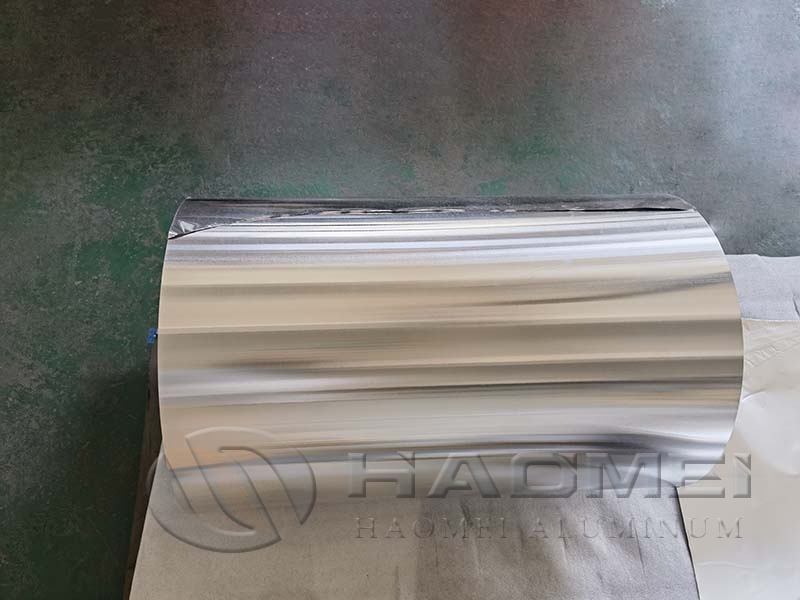

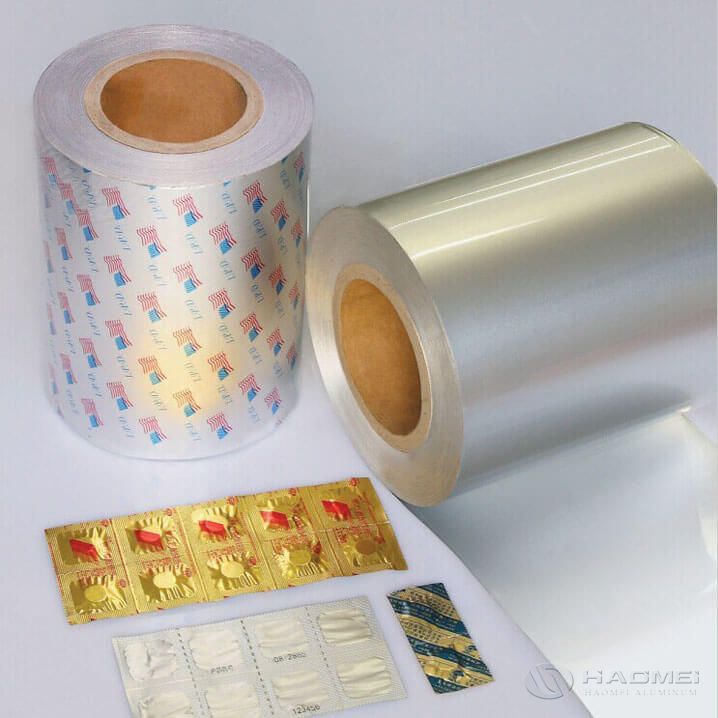
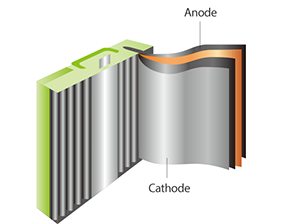
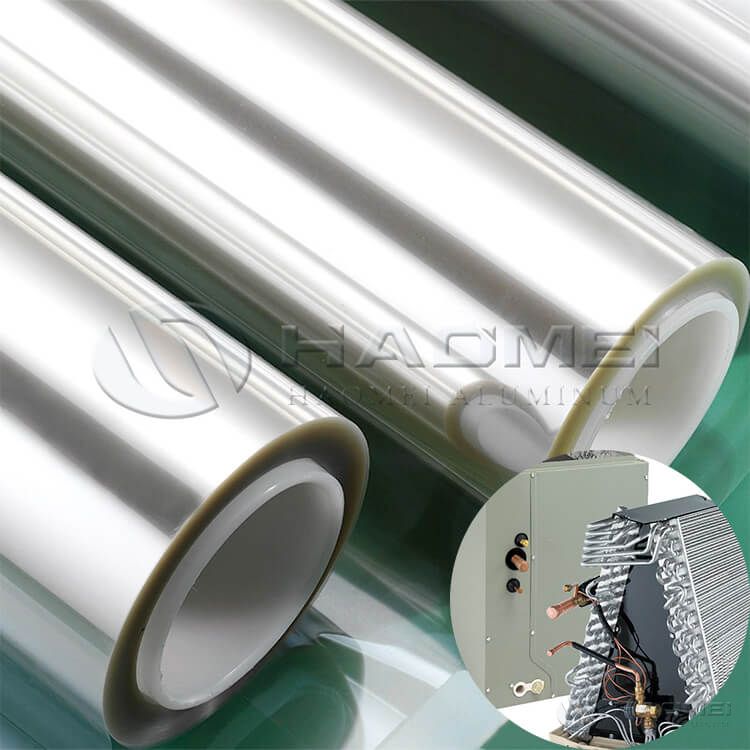
- 3 Physical Properties of Aluminum FoilDec 09, 2020
What are aluminum foil properties? Tensile strength, elongation and extenstion strength are the 3 physical pro...
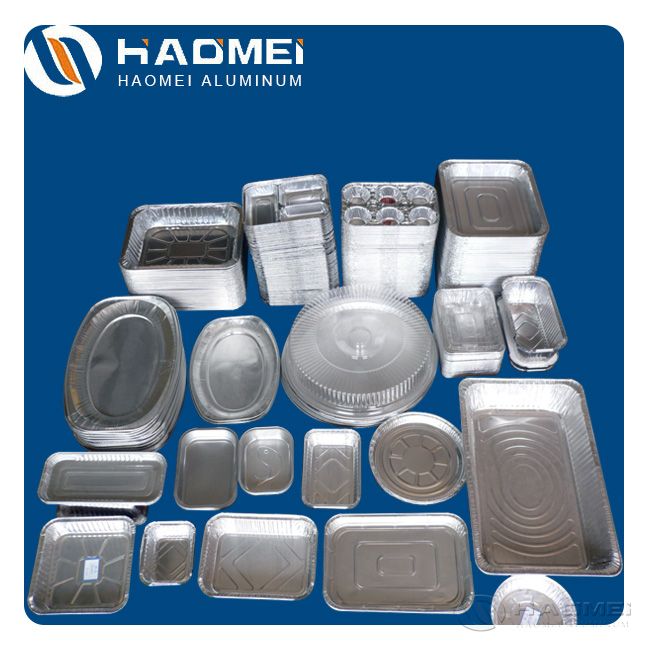
- Food Grade Aluminum Foil: 8011V8021 Aluminum FoilMay 07, 2020
8011 and 8021 aluminum foil are two main kinds of food grade aluminum foils. They are safe,hygienic and green...
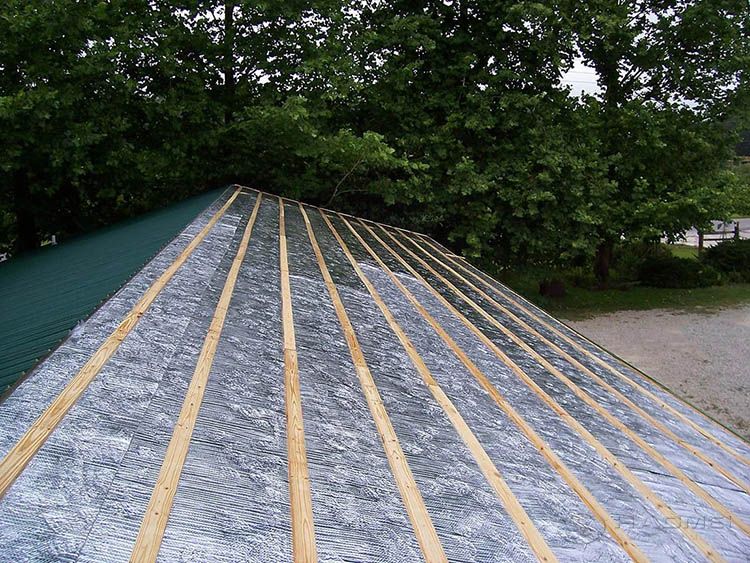
- What Are Uses of Aluminum Foil InsulationDec 02, 2025
In modern architecture, home appliance manufacturing, and industrial production, insulation materials play a c...
- PTP Aluminium Foil Manufacturing ProcessAug 13, 2020
PTP aluminum foil is widely used for various pharmaceutical packaging. What’s the aluminum foil manufacturing...
- Top Five Container Foil For FoodApr 12, 2021
8011, 3003, 8006, 3004 and 5052 aluminum foil are five container foils for food. Among them 8011 and 3003 alu...
Inquiry
TABLE OF Contents

Haomei Aluminum CO., LTD.
Tel/Whatsapp: +86-15978414719
Email: sale@alumhm.com
Website: https://www.alumhm.com
Xin'an Industrial Assemble Region,Luoyang,Henan Province,China
Office Add: 1103, No.14 Waihuan Road, CBD, Zhengzhou, China