Food Tray Aluminum Foil
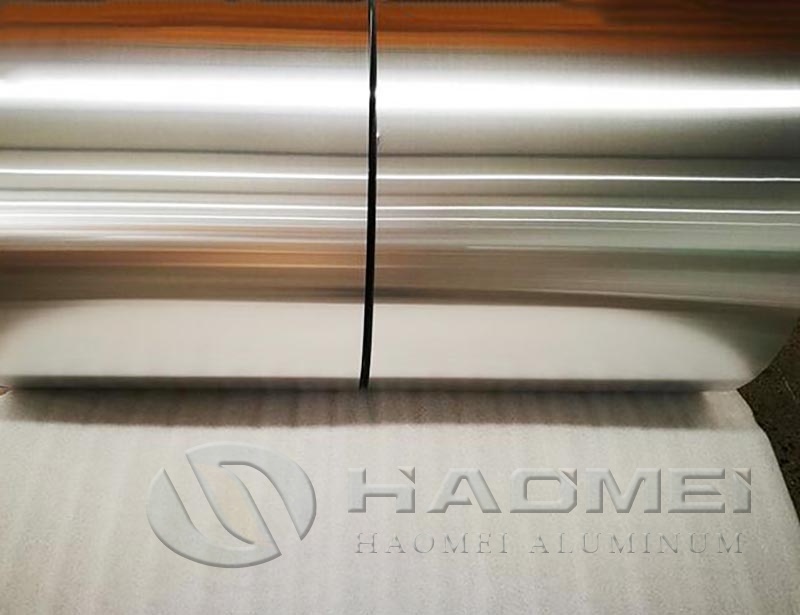
Food tray aluminum foil for holiday catering: compare temp range, food safety, costs, and tray specs to reduce leakage, waste, and delayed service.
Holiday demand changes purchasing priorities fast. Thanksgiving, Christmas, Ramadan iftar, Easter brunch, Chinese New Year banquets, and year-end corporate events all create the same pressure: serve more meals in less time, with fewer handling errors and tighter cost control.
For plants, converters, distributors, and catering-packaging wholesalers, food tray aluminum foil is not just a material. It is a holiday solution for high-volume meal prep, oven-to-table service, takeaway, and short-turn replenishment.
This article focuses on one top concern: preventing tray failure during peak holiday service. The practical goal is simple: avoid leakage, deformation, tearing, and rejected shipments when demand spikes.

Why foil trays solve holiday service problems
Holiday menus usually include roasted meat, baked pasta, casseroles, grilled vegetables, desserts, and pre-portioned family meals. These foods need packaging that can handle temperature swings, stacking, transport, and quick reheating.
Aluminum trays perform well because aluminum has high thermal conductivity, about 237 W/m·K for pure aluminum at room temperature, making it suitable for fast and even heat transfer in cooking and reheating applications. Source: Engineering Toolbox material data.
From an operational view, foil containers help solve five recurring holiday issues:
Faster oven heating than many rigid alternatives.
Better portion control for event meals and combo sets.
Lower wash and return logistics versus reusable pans.
Good barrier performance against light, oxygen, moisture, and grease when paired with suitable lids.
Easy stacking for dispatch during seasonal peaks.
For food-contact use, material selection should align with recognized rules such as:
U.S. FDA food-contact framework for indirect food additives and food-contact substances.
EU Framework Regulation (EC) No 1935/2004 for materials intended to contact food.
Good Manufacturing Practice Regulation (EC) No 2023/2006.
When discussing product specs with mills or converters, ask whether the foil stock and formed tray system are supplied for food-contact applications and whether supporting compliance documents are available for the destination market.
What causes tray failure in holiday orders
Most complaints during festival seasons come from execution gaps, not from the concept of foil trays themselves. The common causes are predictable.
| Risk point | What happens in peak season | What to check before ordering |
|---|---|---|
| Foil gauge too light | Sidewall buckling, rim distortion, puncture during filling | Confirm thickness range and tray design load |
| Alloy mismatch | Poor formability or insufficient rigidity | Match alloy and temper to tray depth and shape |
| Oversized portions | Bottom deformation, lid closure issues | Define net fill weight by menu type |
| Lid mismatch | Sauce leakage, weak sealing in transport | Test tray-lid fit on actual packing line |
| Poor edge finishing | Handling cuts or torn film lids | Inspect rim quality and forming consistency |
| Transport compression | Collapsed trays in pallet stacks | Verify carton count, stacking height, and separator use |
For high-volume food service, a stronger tray structure often matters more than chasing the lowest foil basis cost.
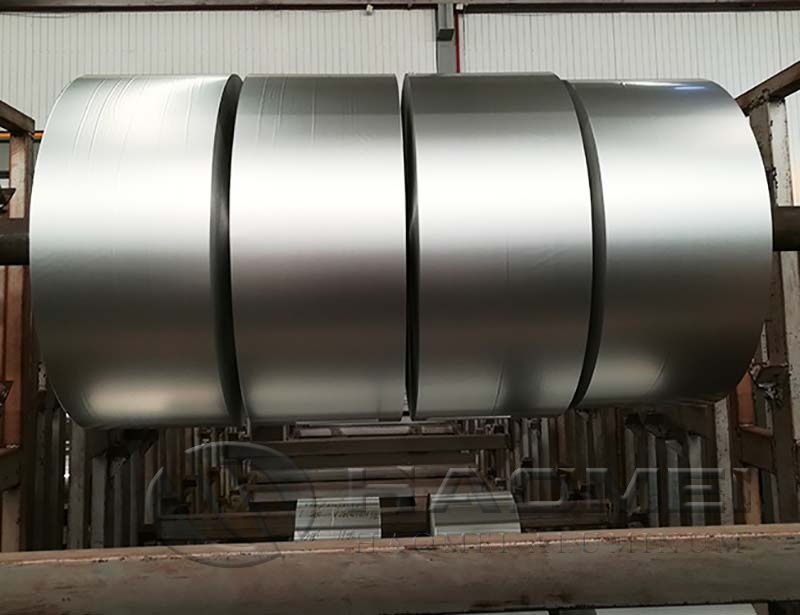
How to specify the right foil tray material
If your seasonal business includes roasting, baking, hot holding, or chilled dispatch, procurement teams should work from a short checklist instead of ordering by habit.
1. Match tray use to temperature exposure
Aluminum foil containers are widely used from freezer storage to oven reheating. However, actual performance depends on tray shape, gauge, food load, and whether a lid is used.
Use this quick comparison:
| Use case | Typical requirement | Foil tray priority |
|---|---|---|
| Oven-ready holiday meals | Fast heat transfer, shape retention | Medium to heavier gauge, rigid rim |
| Chilled prepared foods | Leak resistance, stacking | Stable wall structure, lid compatibility |
| Frozen meals | Crack resistance after freezing | Proper forming quality, transport protection |
| Airline or event catering | Portion control, low weight | Consistent dimensions, nesting efficiency |
If your customers need formed stock for meal trays, Aluminum Foil for Food Packaging and Container fits naturally into discussions on food-contact applications and tray conversion.
2. Ask for mechanical consistency, not only thickness
Thickness matters, but thickness alone does not guarantee performance. A holiday tray line needs consistent forming behavior from roll to roll.
Ask suppliers for:
Alloy and temper designation.
Thickness tolerance.
Width tolerance.
Surface cleanliness for food-contact conversion.
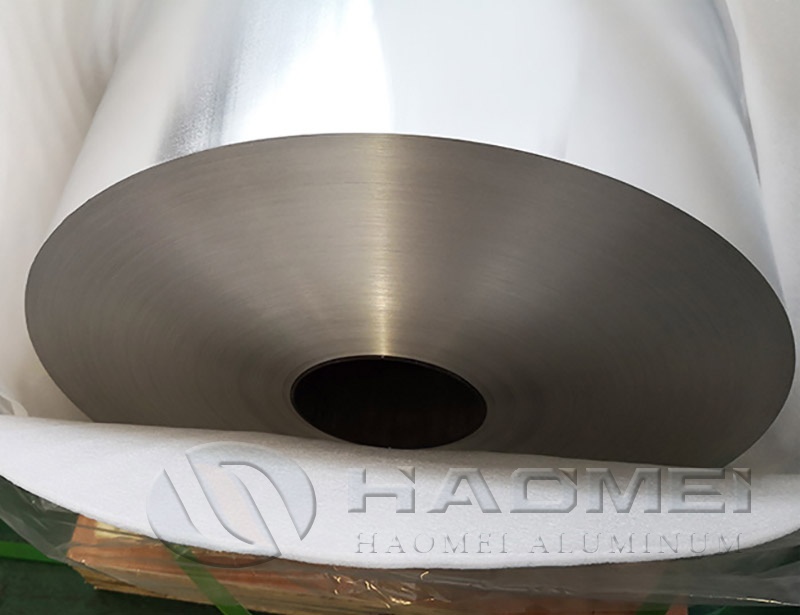
Coil ID/OD for line compatibility.
Forming test records, if available.
For many packaging operations, stable supply from a qualified Aluminum Foil source reduces scrap more effectively than changing tray geometry after complaints begin.
3. Test the actual menu, not an empty tray
An empty sample may look acceptable, but holiday failures usually happen with gravy, oil, roast meat weight, or double stacking during dispatch.
Run three practical tests before confirming seasonal volume:
Hot-fill test: Fill with the real menu item at service temperature.
Stacking test: Hold loaded trays in cartons for the expected transport period.
Reheat test: Confirm tray rigidity after oven or warming-cycle exposure.
4. Control cost by reducing damage, not by under-specifying
The cheapest tray per piece can become the most expensive program if it increases:
Product loss from leakage.
Labor from repacking.
Customer complaints.
Holiday delivery delays.
Rejected pallets.
Use total delivered cost, not unit price alone.
| Cost factor | Low-spec tray | Fit-for-use tray |
|---|---|---|
| Unit purchase price | Lower | Moderate |
| Damage rate | Higher | Lower |
| Repacking labor | Higher | Lower |
| Food waste risk | Higher | Lower |
| Brand impact during holidays | Higher risk | Better control |
Holiday timing and channel planning for better conversion
Seasonal conversion improves when product offers are aligned with the purchasing calendar.
Recommended timing:
8-12 weeks before major holidays: lock tray dimensions, gauge, and carton specs.
6-8 weeks before: run menu tests and confirm lid compatibility.
4-6 weeks before: place replenishment-ready stock for fast-moving sizes.
2-4 weeks before: shift messaging to delivery reliability, oven performance, and damage reduction.
Recommended channels for commercial demand generation:
Email campaigns to catering-packaging distributors.
Search content targeting ovenable meal tray terms before peak months.
Trade show follow-up around food packaging and hospitality events.
Direct outreach to prepared-meal brands and regional foodservice packers.
For holiday-focused messaging, present the product as a solution to a seasonal operational problem:
Prevent tray collapse in family-size roasts.
Speed oven turnaround for banquet kitchens.
Reduce leakage in takeaway festive meals.
Support portion consistency for event catering.
Short checklist for seasonal orders
Before confirming a holiday program, verify these points:
Food-contact compliance documents for destination market.
Alloy, temper, and thickness tolerance.
Tray dimensions and fill-weight range.
Lid fit and sealing performance.
Carton strength and pallet stacking limits.
Lead time for repeat orders during the holiday window.
Sample validation using the actual festive menu.
Well-specified foil trays help food operations stay fast, clean, and predictable during the busiest selling season. For commercial purchasers of sheet, strip, coil, foil, and circles, the strongest offer is not generic packaging. It is a tested holiday-ready tray material program that protects food quality, labor efficiency, and delivery performance.

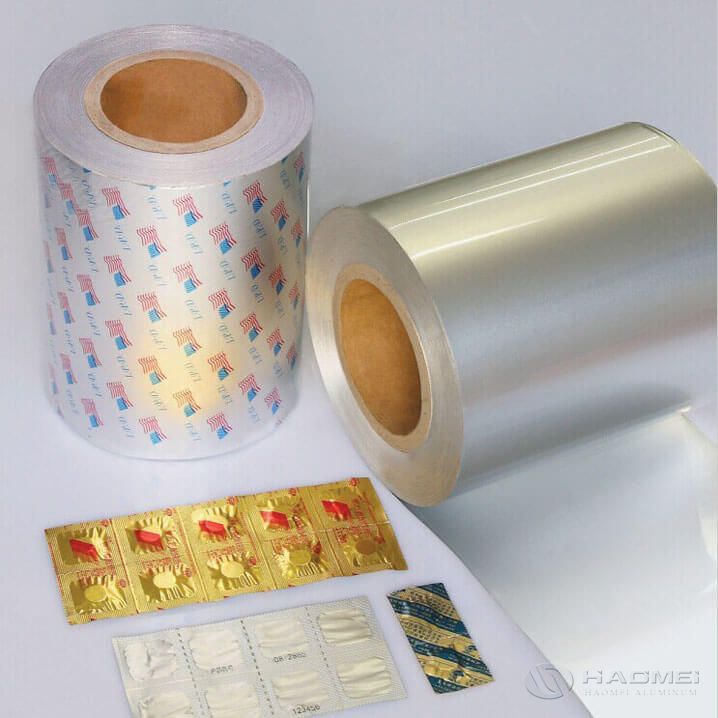
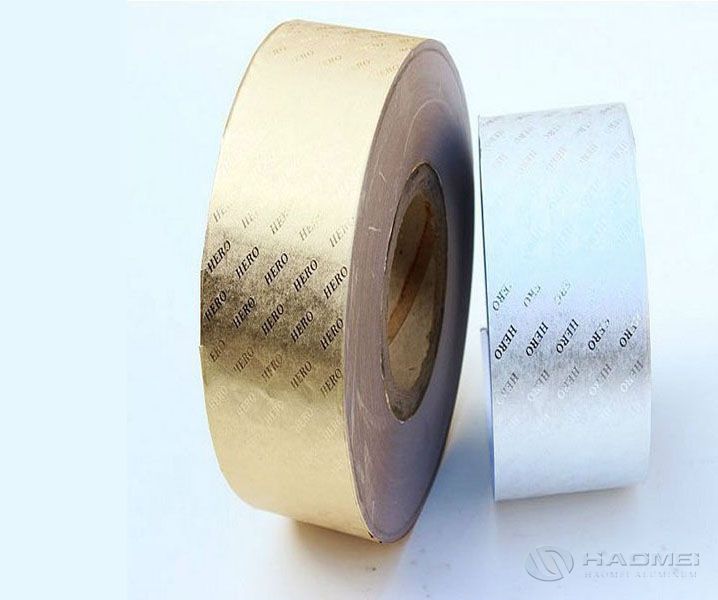
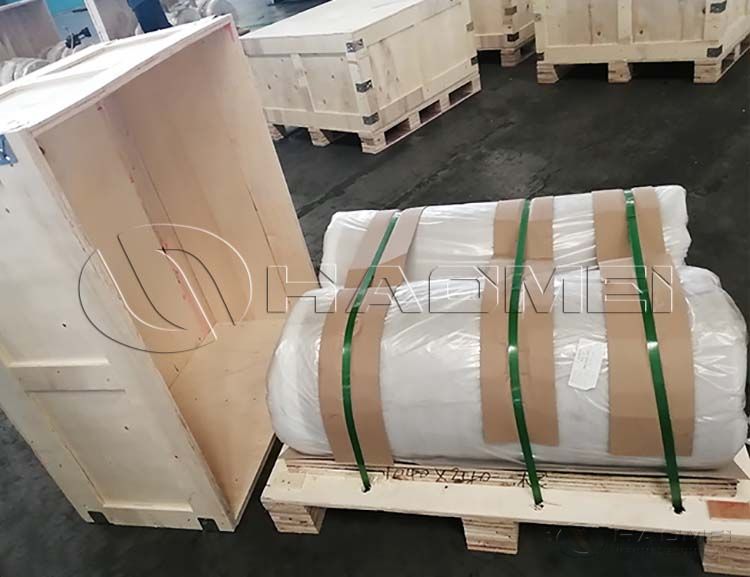
- Different Forms of Food Grade Aluminum PackagingJan 16, 2024
Food packaging aluminum foil is an important market for food grade aluminum applications. It is safe for human...
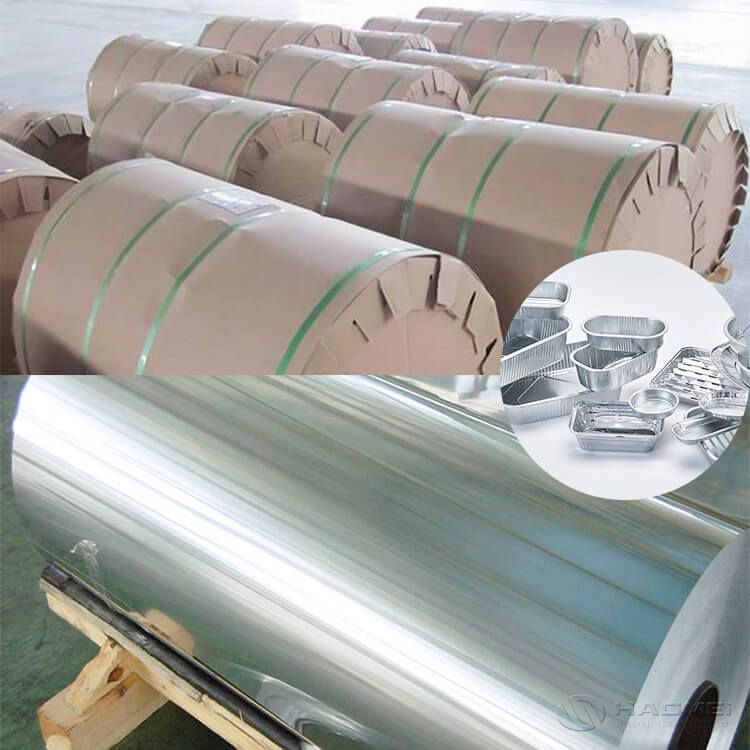
- Where to Buy Food Container Aluminum FoilDec 10, 2020
8011 and 3003 aluminum foil are two popular kinds of food container aluminum foils. The food container aluminu...

- Hydrophilic Aluminum Foil VS Hydrophobic FoilDec 12, 2025
Inside every operating air conditioner, there are two types of aluminum foil with drastically different "perso...
- The Best Aluminum Foil Gauge for Different UsesMay 15, 2025
The precise selection of aluminum foil thickness directly affects product performance and cost. What is the be...
- Aluminum Foil Paper ManufacturersSep 23, 2020
As an big aluminum foil paper manufacturer, we have rich kinds and specifications of aluminum foil jumbo roll...
Inquiry
TABLE OF Contents

Haomei Aluminum CO., LTD.
Tel/Whatsapp: +86-15978414719
Email: sale@alumhm.com
Website: https://www.alumhm.com
Xin'an Industrial Assemble Region,Luoyang,Henan Province,China
Office Add: 1103, No.14 Waihuan Road, CBD, Zhengzhou, China