Choosing 3003 Aluminum Sheet for Cookware, Insulation, and Fabrication
Explore Alloy 3003 aluminum plate for cookware, insulation, and fabrication. Learn its formability, corrosion resistance, tempers, processing benefits, and supplier tips.
When selecting aluminum materials for everyday manufacturing, the right balance of formability, corrosion resistance, thermal behavior, and cost is essential. Alloy 3003 is one of the most widely used non-heat-treatable aluminum grades because it delivers dependable performance without the premium price associated with higher-strength alloys. Its manganese addition improves strength over commercially pure aluminum while preserving excellent workability.
Whether the application involves cookware, building insulation, or general fabrication, this alloy offers a practical solution for manufacturers that need consistent quality and efficient processing.
Why Alloy 3003 Is a Popular Choice
AA 3003 belongs to the 3xxx aluminum series, which is alloyed primarily with manganese. It is stronger than 1100 aluminum while retaining very good corrosion resistance and forming capability. Unlike heat-treatable grades such as 6061, its strength is developed mainly through cold working and temper selection.
Common tempers include O, H12, H14, H16, H18, and H24. Annealed material provides maximum ductility for deep drawing and complex forming, while H14 and H24 tempers provide a useful balance between strength and workability.
The core advantages of this material include:
Good resistance to atmospheric and moisture-related corrosion
Excellent bending, spinning, stamping, and deep-drawing performance
High thermal conductivity for heat-transfer applications
Smooth surface quality suitable for coating, anodizing, or cladding
Lower cost compared with many high-strength aluminum alloys
Reliable weldability using conventional welding methods
These characteristics make the alloy suitable for both high-volume consumer goods and industrial components.
Cookware Applications: Formability Meets Heat Distribution
Cookware manufacturers frequently choose this aluminum grade for pots, pans, baking trays, pressure cooker components, and kitchen utensils. Its strong formability makes it especially useful for deep-drawn products with rounded walls, curved bases, and detailed shapes.
In cookware production, material consistency is critical. The metal must withstand blanking, drawing, trimming, polishing, and coating operations without cracking or excessive springback. A 3003 aluminum plate can be supplied in temper conditions that support demanding forming processes while maintaining adequate rigidity in the finished product.
Another important benefit is heat transfer. Aluminum naturally distributes heat more quickly and evenly than stainless steel, helping cookware heat up efficiently. For applications requiring enhanced durability or induction compatibility, manufacturers may combine aluminum components with stainless-steel bases or other layered constructions.
Surface treatment also plays a major role in cookware quality. This alloy can be polished, painted, coated, or used as a substrate for non-stick finishes. For food-contact products, manufacturers should ensure that surface treatments, lubricants, and coatings meet relevant food safety regulations in the target market.
Insulation and Building Uses
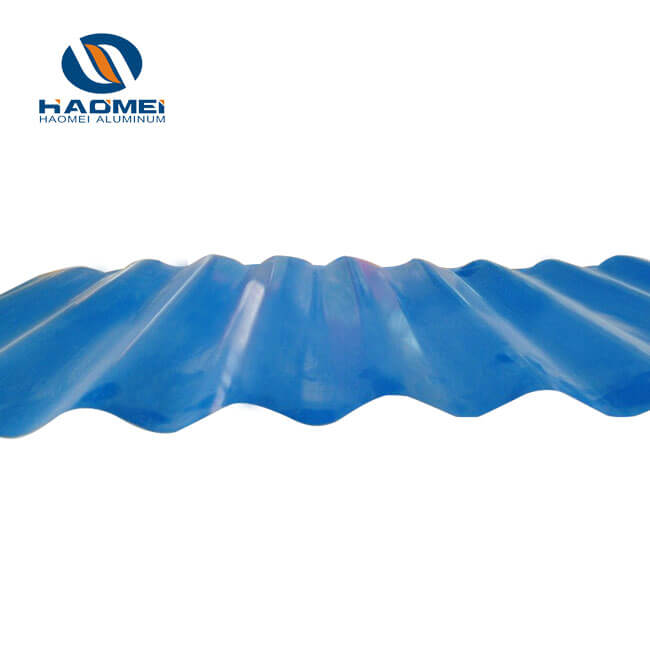
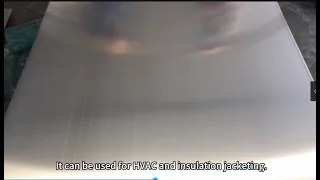
In insulation systems, aluminum serves as a lightweight barrier against moisture, heat transfer, and environmental exposure. Alloy 3003 is commonly converted into jacketing, cladding, embossed sheets, corrugated covers, and vapor-barrier components for pipes, ducts, tanks, and industrial equipment.
The alloy's corrosion resistance is particularly valuable in HVAC, petrochemical, power-generation, and marine-adjacent environments. Properly installed aluminum jacketing helps protect underlying insulation from rain, condensation, UV exposure, mechanical damage, and airborne contaminants.
For thermal insulation applications, embossed or stucco-pattern material is often preferred because the textured surface improves appearance and helps reduce visible handling marks. Corrugated profiles may be used where additional stiffness is needed without substantially increasing weight.
Material thickness should be selected according to the service environment, insulation diameter, wind exposure, impact risk, and installation method. Thin gauges can be effective for light-duty indoor applications, while heavier material may be required for outdoor piping, large storage vessels, or areas exposed to physical contact.
Fabrication Performance and Processing Considerations
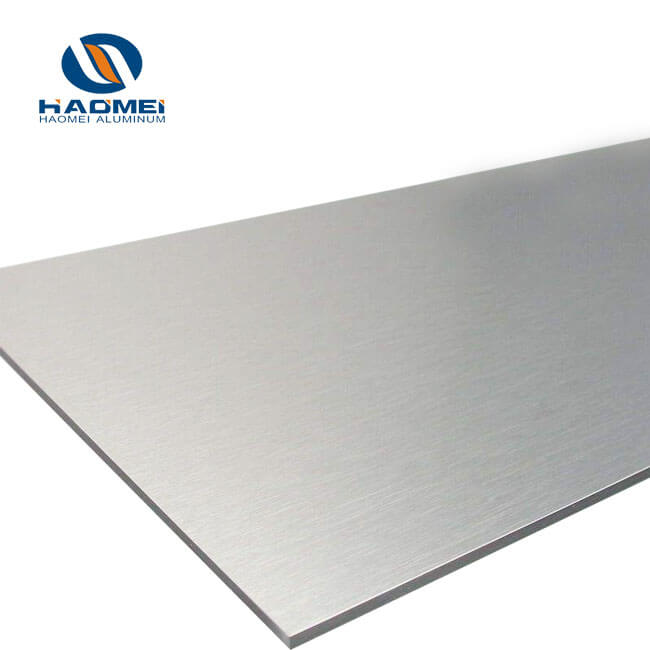
For fabricators, the appeal of this alloy lies in its predictable response to common shop operations. It can be cut, sheared, punched, bent, roll formed, stamped, spun, and welded with relative ease. It is widely used in fuel tanks, chemical equipment, roofing accessories, trailer panels, signage, appliance parts, and general sheet-metal assemblies.
A 3003 sheet in H14 temper is often selected for general fabrication because it provides moderate strength while still allowing bending and shaping. However, tight-radius bends and severe drawing operations may benefit from softer tempers. Choosing the wrong temper can lead to cracking during forming or insufficient stiffness in the final part.
When specifying material, buyers should consider more than alloy number and thickness. Important details include:
Temper designation
Width and length tolerances
Surface finish requirements
Flatness requirements
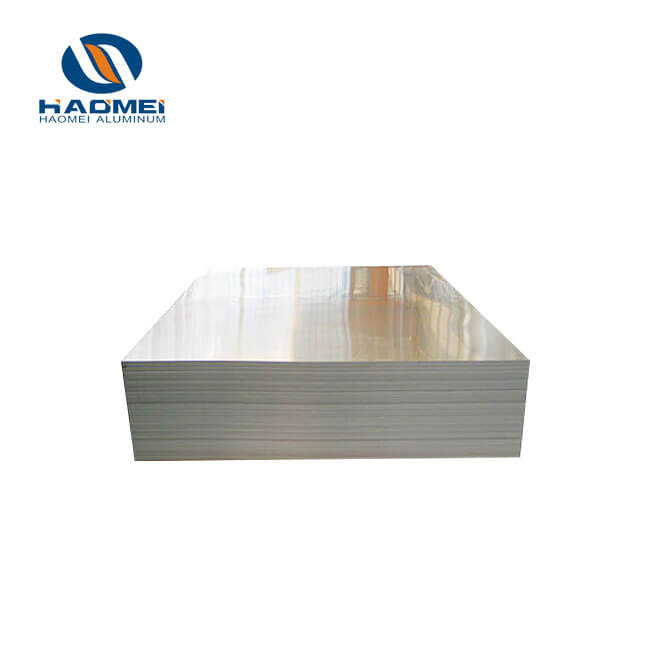
Protective film or paper interleaving
Edge condition
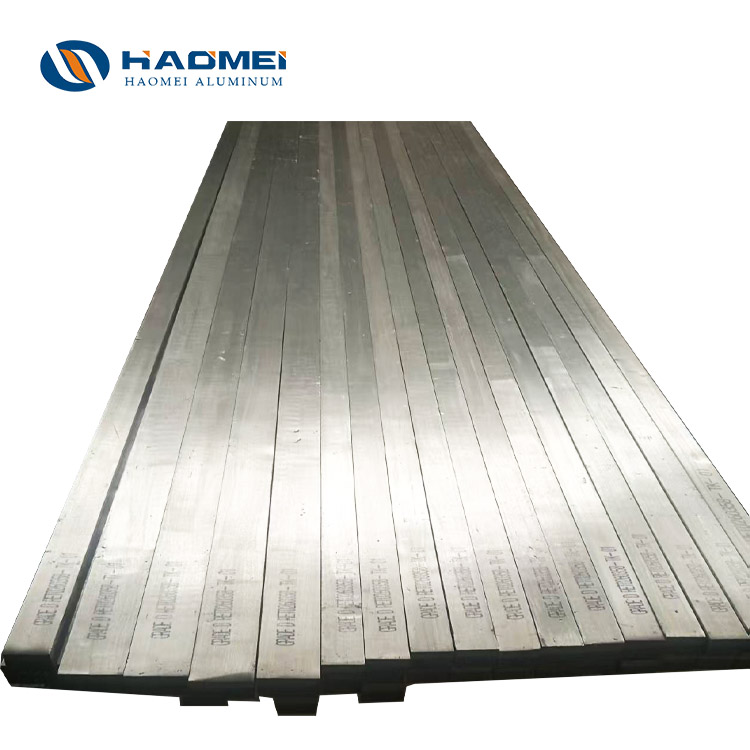
Coil versus cut-to-length format
Required standards, such as ASTM, EN, or customer-specific specifications
These details affect production efficiency, scrap rate, and finished-product appearance.
Selecting the Right Supplier
A dependable supplier should provide mill test certificates, clear chemical composition data, mechanical-property information, and reliable dimensional control. For appearance-sensitive products, request samples to evaluate surface quality, color consistency, oil levels, and potential forming marks before approving large-volume orders.
It is also useful to discuss the end-use process with the supplier. A material intended for deep drawing may require different properties than one used for insulation cladding or flat architectural panels. Sharing information about stamping depth, bend radius, coating method, and service environment can help ensure the selected temper and surface condition are appropriate.
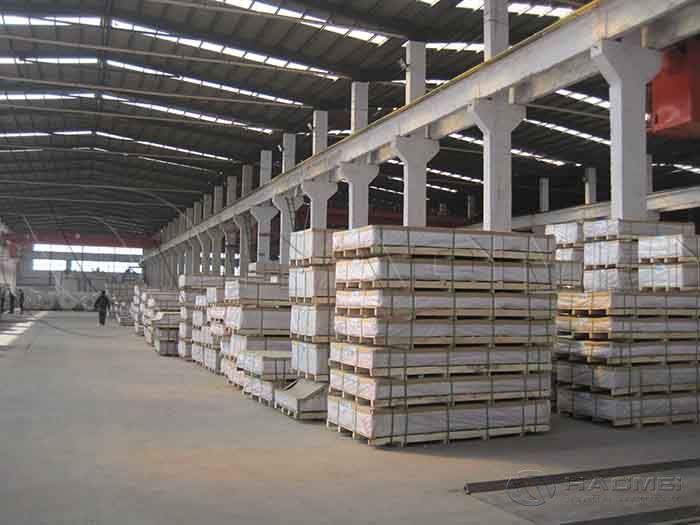
- The Aluminum Sheet Thickness for Different ApplicationsJan 10, 2022
The aluminum sheet is of wide applications. Their requirements for the aluminum sheet thickness are also diffe...
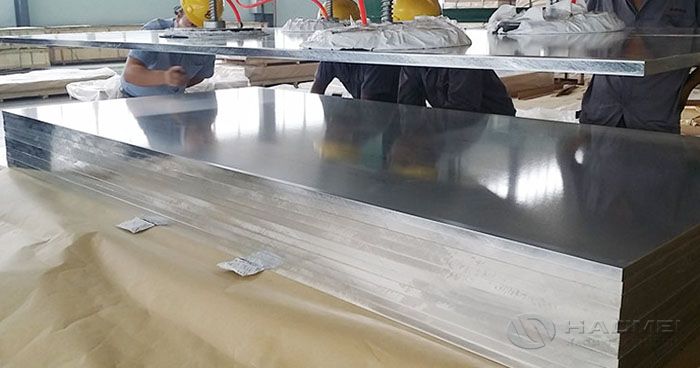
- Why Is 5005 Anodized Aluminum Sheet So PopularJun 24, 2020
Why is 5005 anodize aluminum sheet so popular? It has better corrosion resistance and decorative performance....
- 60 Tons of Aluminium Corrugated Sheet to ItalyDec 03, 2019
In last month, our Italy customer continues to order 60 tons of aluminium corrugated sheet from us. This is ou...
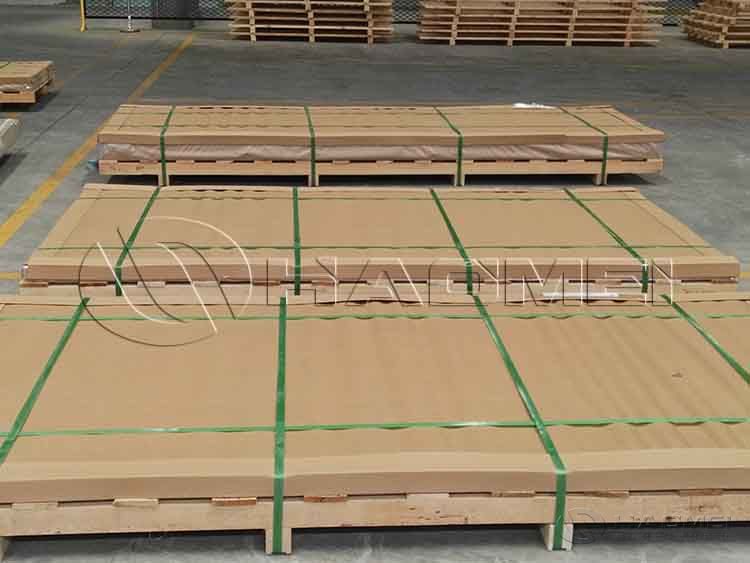
- How to Produce Aluminum Sheet Cut to SizeDec 02, 2024
There are some large aluminum sheets like 5052 and 6061 aluminum needing to cut to size when they are used. Ho...

- What is The Thickness of 16 Gauge and 28 Gauge Aluminum SheetMar 13, 2024
16 gauge aluminum thickness is 1.29032mm. 28 gauge aluminum sheet is 0.32004 mm. Aluminum tread plate is usual...
Inquiry
TABLE OF Contents

Haomei Aluminum CO., LTD.
Tel/Whatsapp: +86-15978414719
Email: sale@alumhm.com
Website: https://www.alumhm.com
Xin'an Industrial Assemble Region,Luoyang,Henan Province,China
Office Add: 1103, No.14 Waihuan Road, CBD, Zhengzhou, China